


















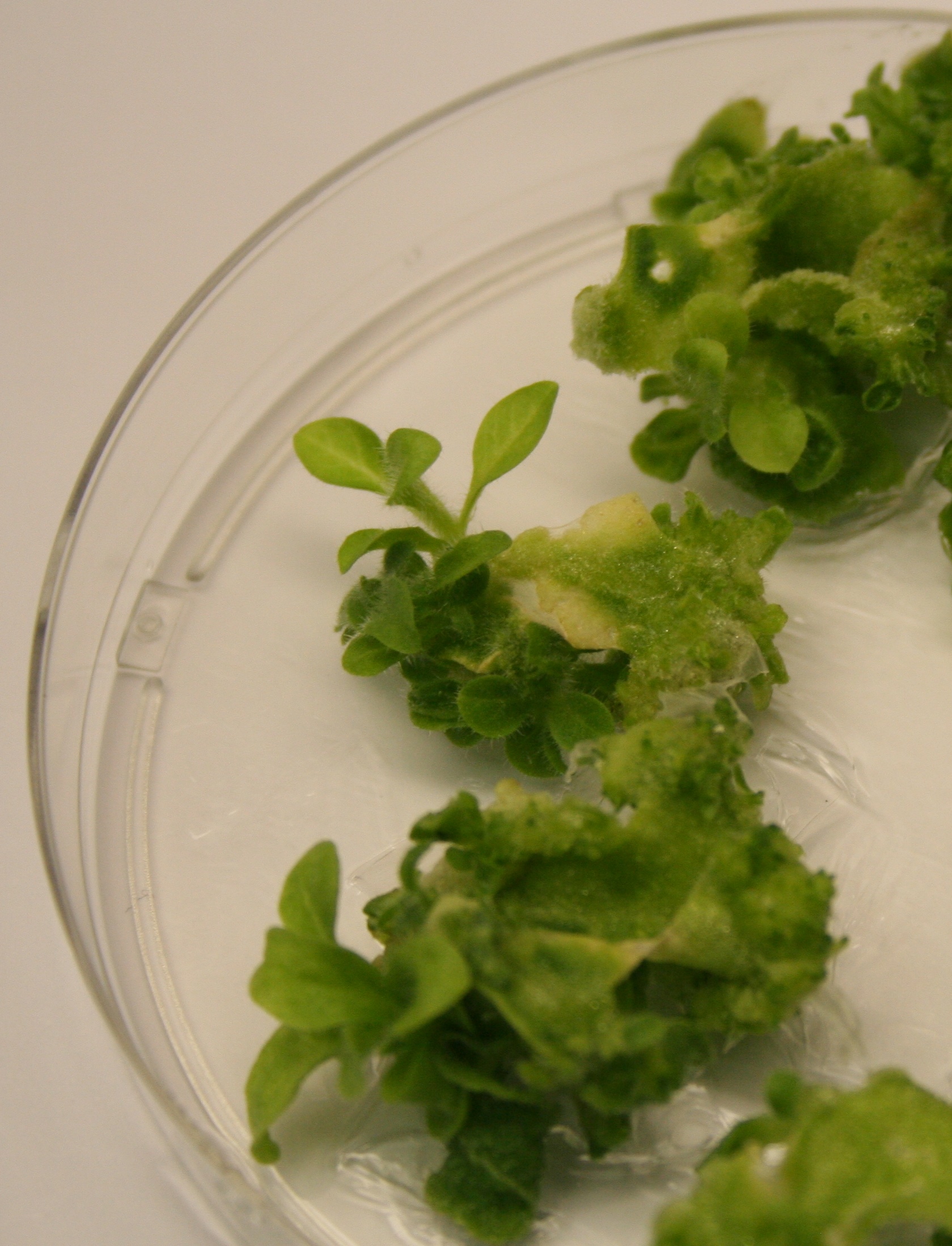
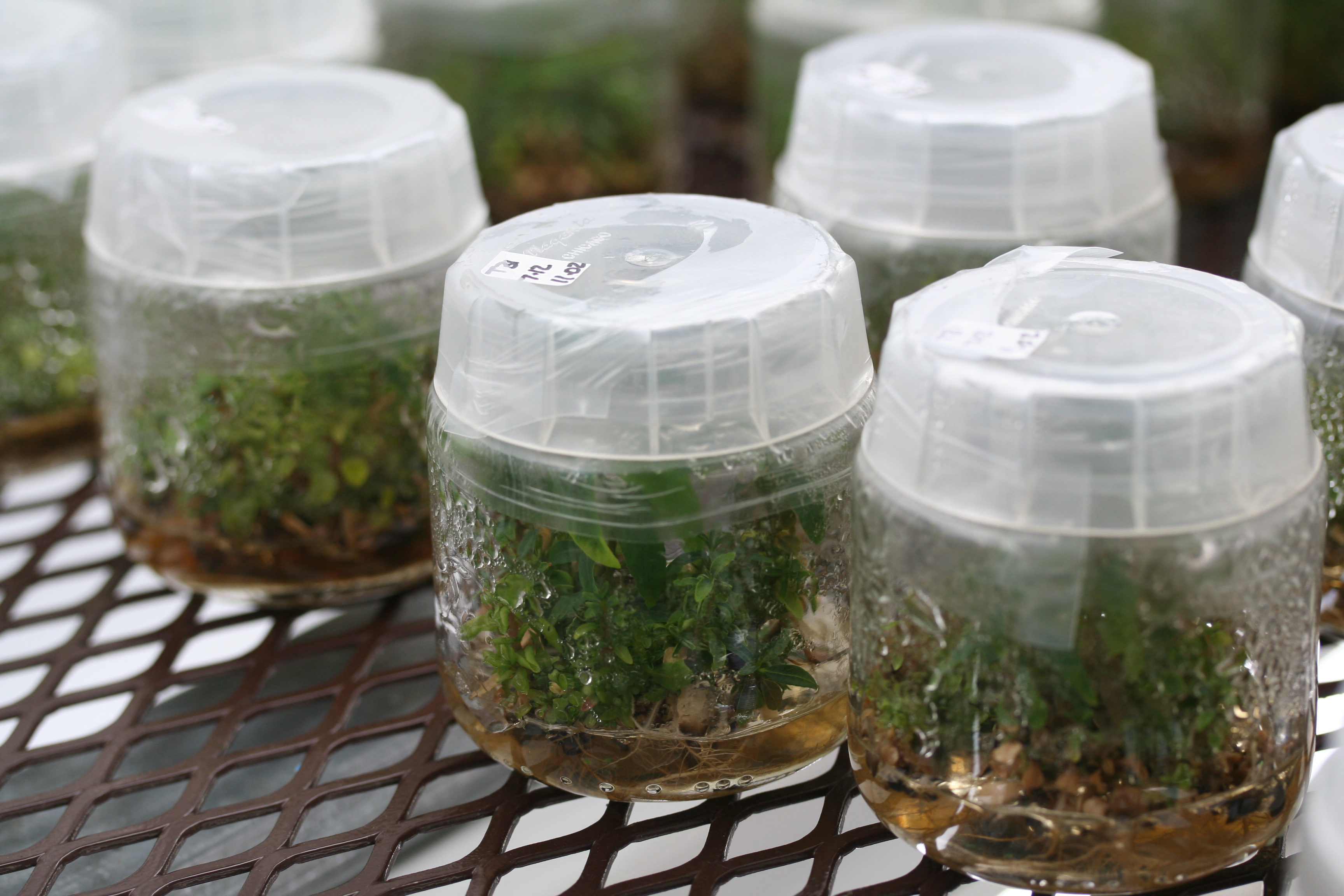
The long generation time of trees and the prolonged period required for evaluation of mature traits are strong limitations for classical breeding and selection. The development of methods for in vitro culture and genetic engineering has increased the possibility of producing Eucalyptus genotypes improved in insect pest resistance, herbicide tolerance, growth rate and wood quality. However, transformation efficiency for Eucalyptus trees in particular has been very low and requires efficient in vitro protocols for plant induction, regeneration and selection that allow the production of transgenic plants from the transformed cell groups.
Poplar has become the model tree species for genetic transformation due to the high susceptibility to Agrobacterium and high regeneration rates from transformed cells. Production of transgenic poplar trees has been perceived as a possible approach for the control of diseases, and improvement of plant quality. The development of genome engineering technologies, based on the CRISPR-associated RNA-guided endonuclease Cas9 systems, has broadened the agricultural research area, and brought in new opportunities to develop novel plant varieties. The genetic engineering of poplar trees becomes a powerful approach to test traits of high commercial value such as cellulose and hemi-cellulose biosynthesis in trees.
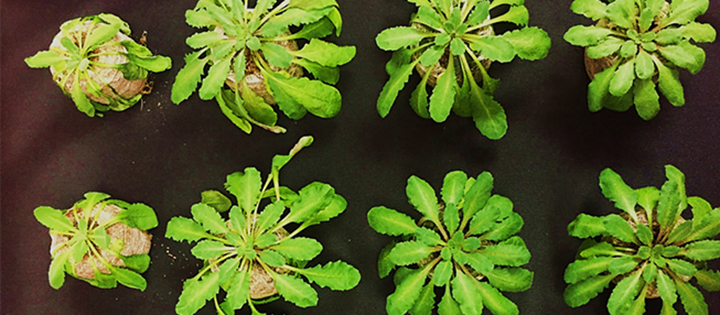
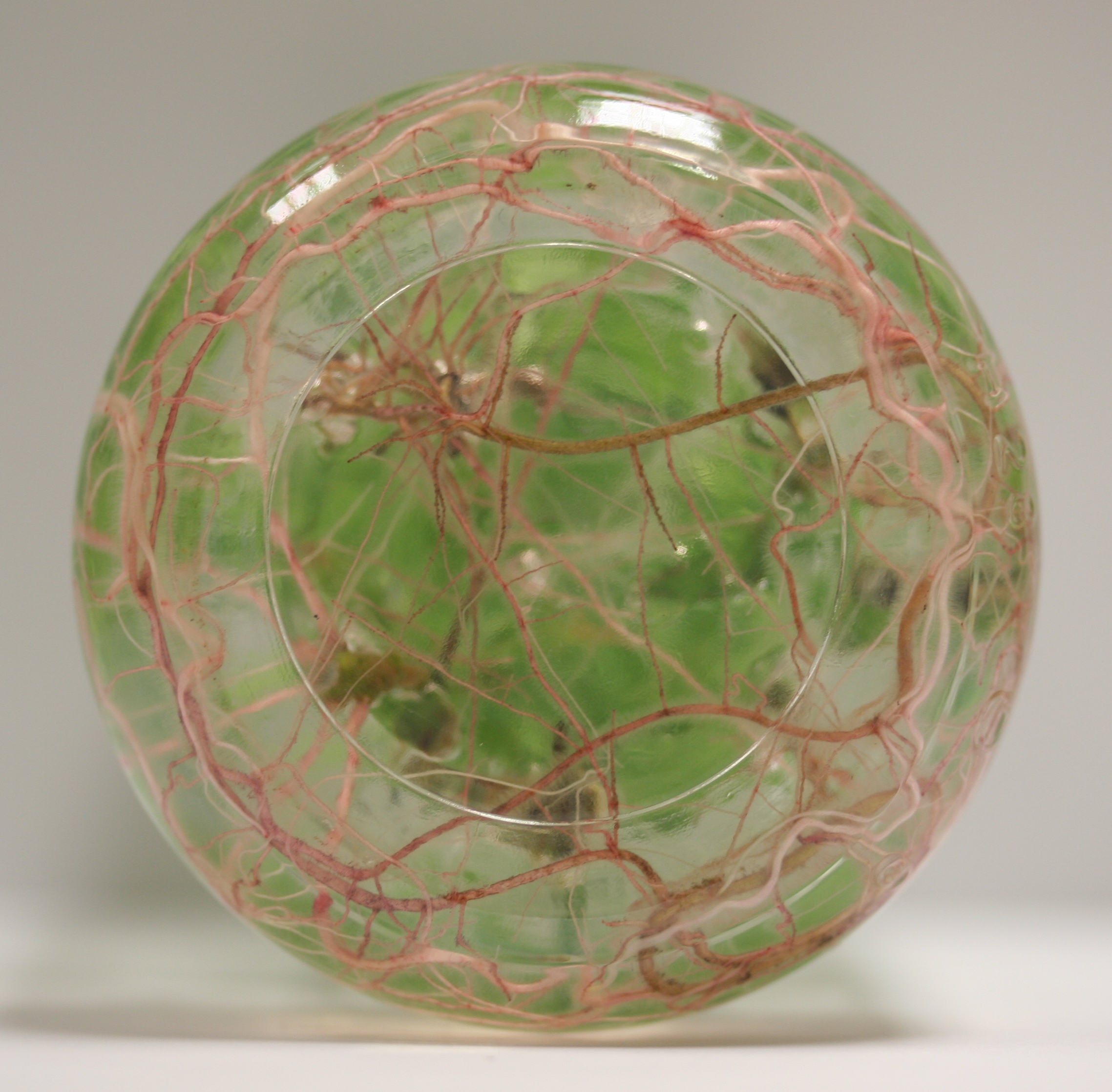
We have established capacity for the development of transgenic Arabidopsis and poplar plants and gene testing in the laboratory and greenhouse. We can transfer the plants from the laboratory to the growth facilities for comparative growth studies. We also have the capacity for routine tissue culture and in vitro propagation of a variety of different Eucalyptus genotypes. FMG has also set up collaborations with Prof Steve Strauss at Oregon State University (OSU) towards developing a Eucalyptus transgenic platform at the University of Pretoria.