






FABI News

FABI Events

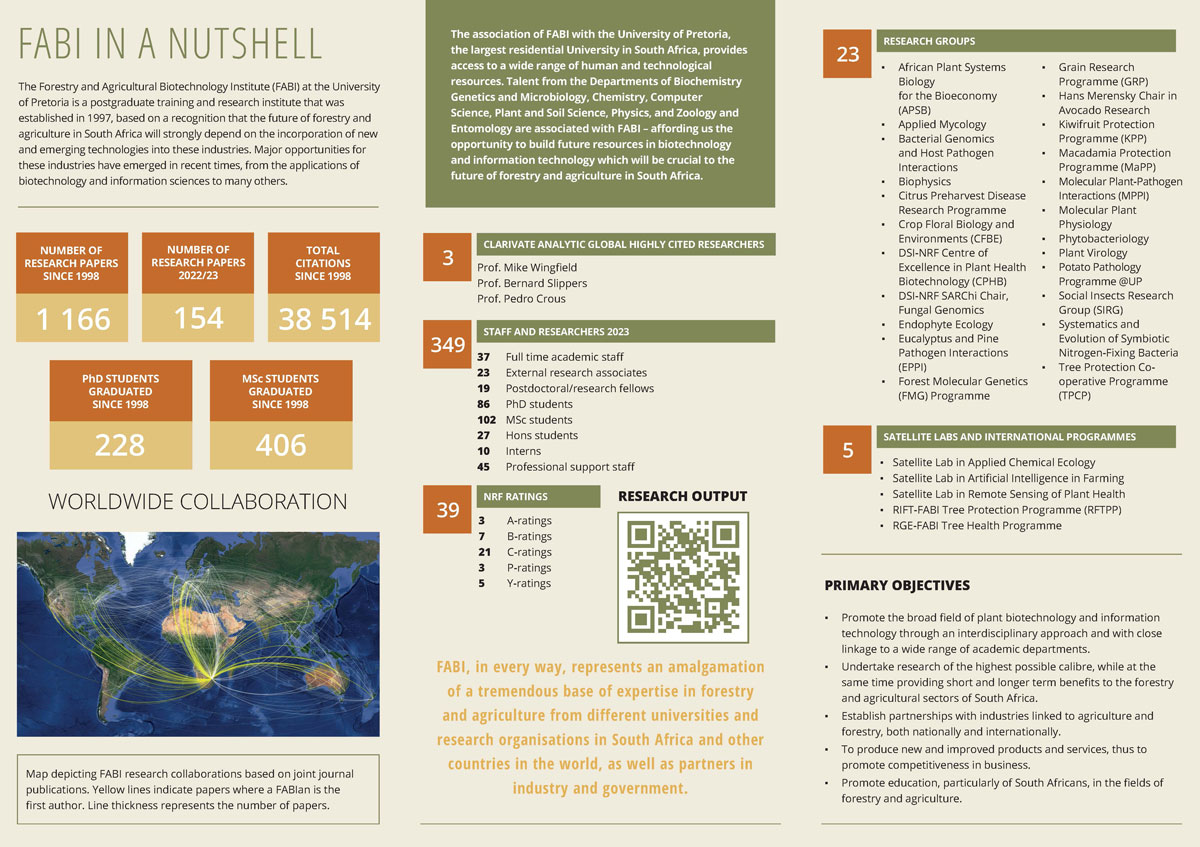
FABI in a nutshell

Research Features


The wood chemistry platform was started as a collaborative initiative between Sappi, the University of Pretoria (FMG Programme) and the University of British Columbia (Prof Shawn Mansfield) to support FMG’s functional genetics research, as well as tree improvement for commercially grown eucalypt and pine species in South Africa. The platform, including an FMG owned HPLC instrument, is currently housed at the Sappi Technology Centre (STC) where the wood chemistry team are implementing new protocols and using established analytical protocols to chemically characterise the major constituents of wood (cellulose, hemicellulose and lignin). The technology is not only used to supply phenotypic data in functional genetic studies and breeding programmes, but also supplies valuable data to generate and update near-infrared analysis (NIRA)models. 
 

New Publications

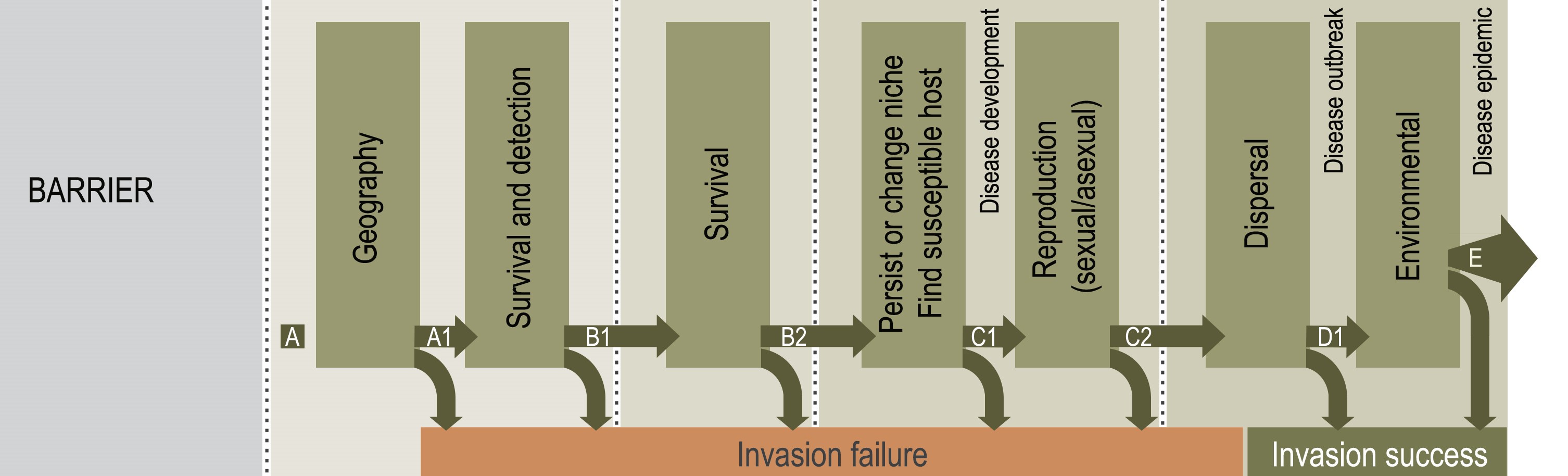
Burgess TI, Wingfield MJ. (2026) Unveiling a hidden menace: Invasive tree pathogens, less known but increasingly threatening Southern hemisphere forests. Annual Review of Phytopathology 64 10.1146/annurev-phyto-011325-100959
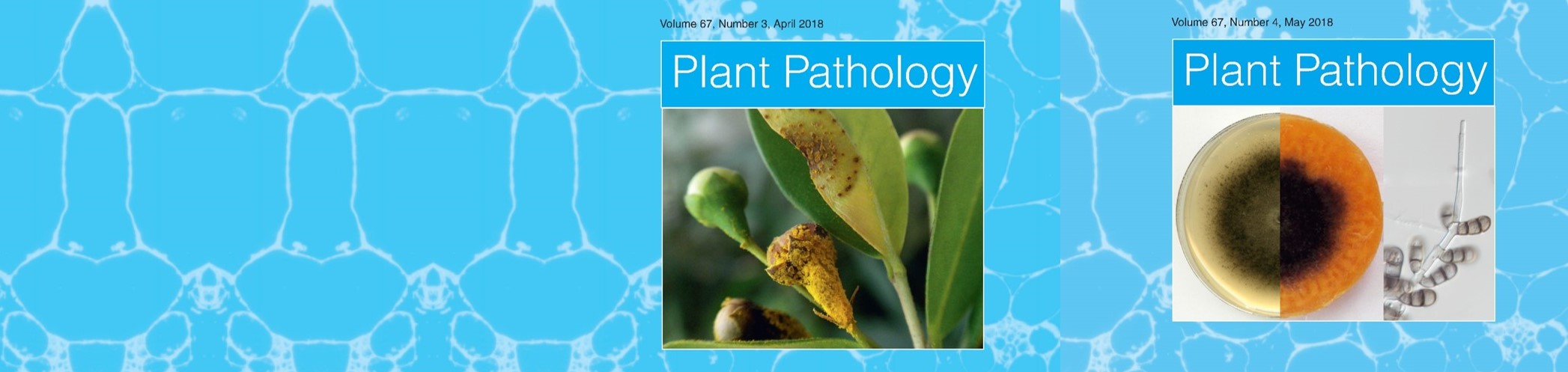
Motete T, Solís M, Hammerbacher A, Naidoo S. (2026) Gene expression profiling in Eucalyptus associates Phenylpropanoid resistance to Teratosphaeria destructans. Plant Pathology 10.1111/ppa.70207
Aylward J, Atkins S, Roets F, Danti R, Della Rocca G, Emiliani G, Fraser S, Garbelotto MM, Herron DA, Scali E, Wingfield BD, Wingfield MJ. (2026) High genetic diversity in the Cypress canker pathogen Seiridium cardinale in the Southern Hemisphere. Plant Pathology 75 10.1111/ppa.70212
van Heerden A, Pham NQ, Duong TA, Wingfield MJ, Wingfield BD. (2026) Draft genome sequence of Ganoderma philippii, a serious root rot pathogen of Eucalyptus in Southeast Asia. Australasian Plant Pathology 55:81. 10.1007/s13313-026-01159-1
Schoeman C, Roodt D, Mc Menamin A, Bezuidt O, Dithugoe C, Pinard D, Mizrachi E. (2026) Conserved symbiosis-associated genes in the cycad Encephalartos natalensis suggest co-option for cyanobacterial symbiosis. New Phytologist 10.1111/nph.71311