







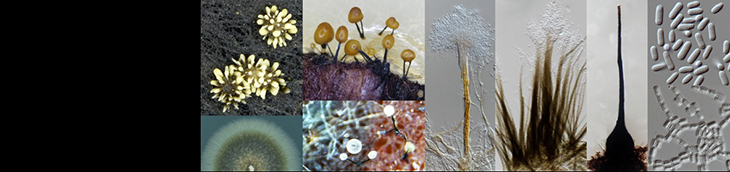
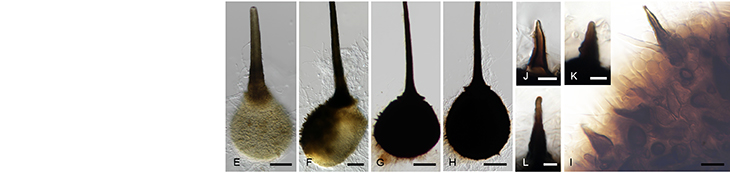




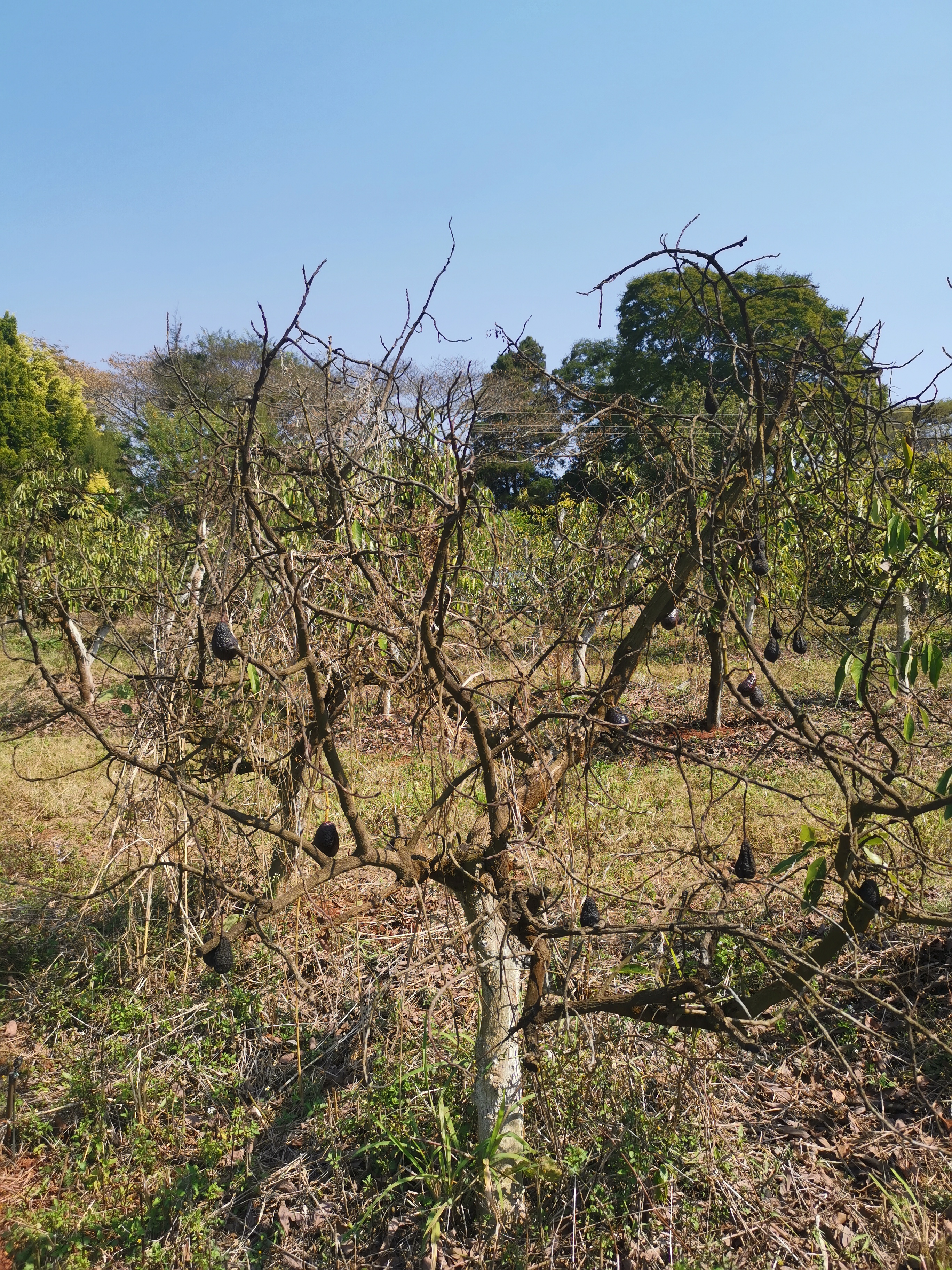
Dematophora necatrix (previously Rosellinia necatrix Berl. ex Prill.) is an ascomycete pathogen that targets a multitude of different plant hosts in various tropical and temperate regions. As the causal agent of white root rot (WRR) it has caused significant economic losses within the agricultural and forestry industries, including apple, citrus and avocado. Symptoms and the presence of D. necatrix were confirmed in a commercial avocado orchard in the Limpopo Province (South Africa) in 2016. Since then, it has been detected in Mpumalanga, Western Cape and Kwa-Zulu Natal.
Control options for WRR are imperfect due to the pathogen’s hardy resting structures, deep soil penetration, and resistance to common fungicides. However, various approaches have been used to manage D. necatrix infection, alone or in combination, which includes; (i) cultural practices, such as the removal of diseased plant material; (ii) the use of uninfected and/ or D. necatrix resistant/ tolerant plant material; (iii) physical practices, such as soil solarization; (iv) the use of chemical control agents, such as, fluazinam; (v) the use of biological control agents, including, plant growth-promoting rhizobacteria and Trichoderma.; (vi) and lastly, periodic testing for the presence of the pathogen in soil using baiting and PCR-based detection techniques.
Currently, research in the ARP is aimed at understanding D. necatrix population diversity within South Africa and the rhizosphere microbial communities in avocado trees infected with D. necatrix. As well as, to develop an effective management strategy for D. necatrix in avocado orchards using chemical control and biological control agents. Additionally, the ARP is investigating the potential of CRISPR-Cas9 genome editing technology in D. necatrix targeting putative pathogenicity genes, which will be used for functional analysis.
* Read more about Dematophora necatrix on our Fact sheet here.
ARP Team Members
Phinda Magagula: The detection and management of Dematophora necatrix in avocado orchards.
Tsakane Miyambo: Investigating the genetic diversity, population structure and virulence of Dematophora necatrix in South Africa.
Raven Wienk: Investigating the Persea americana - Dematophora necatrix - Trichoderma interaction.
Dr Molly Malefo: CRISPR/Cas9 ribonucleoprotein (RNP)-based genome editing in D. necatrix.
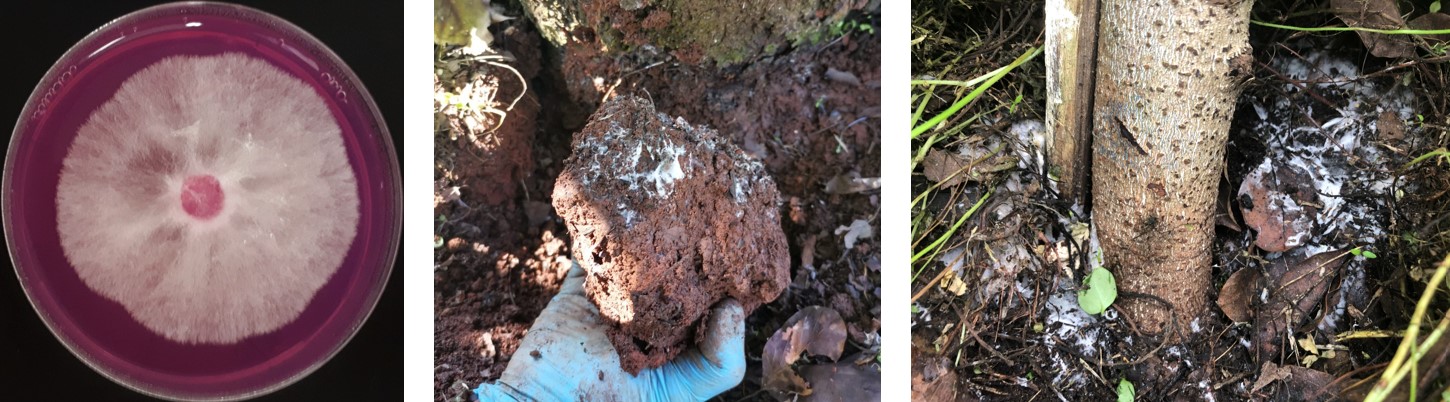
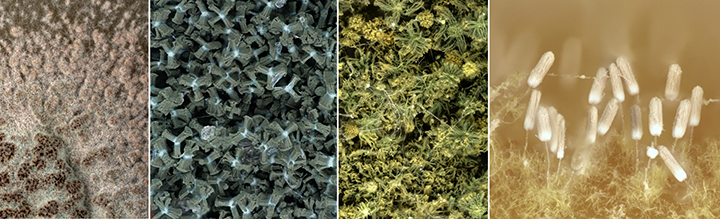
Images from left to right: 1. D. necatrix on semi-selective media. 2. D. necatrix infected soil material in an orchard. 3. White mycelial fans of D. necatrix at the crown of an infected tree.