


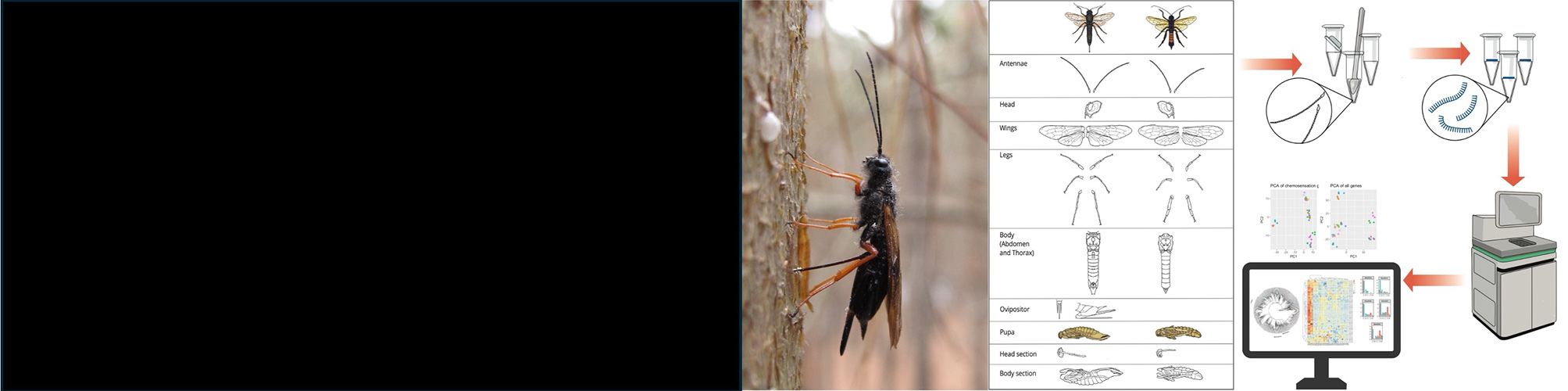




Chemical ecology is the study of the role that chemicals play mediating interactions between organisms and organisms and their environment, and the consequences of those interactions in ecological and evolutionary time. It is not an autonomous discipline but rather an approach to ecology, one of viewing ecological interactions through a chemical lens. Consequently it is highly interdisciplinary, commonly involving behavior, ecology, genomics, physiology, biochemistry, chemistry and neurobiology. Olfaction is the dominant modality for how most insects perceive and interact with the biotic world and consequently the study of insect chemical ecology has immense potential to inform our understanding of the natural world. In addition to its heuristic value, this understanding has potential to provide powerful tools for the management of pests.
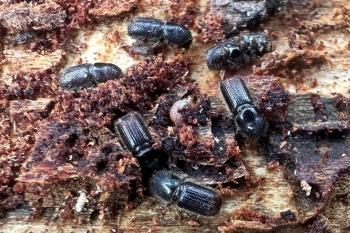
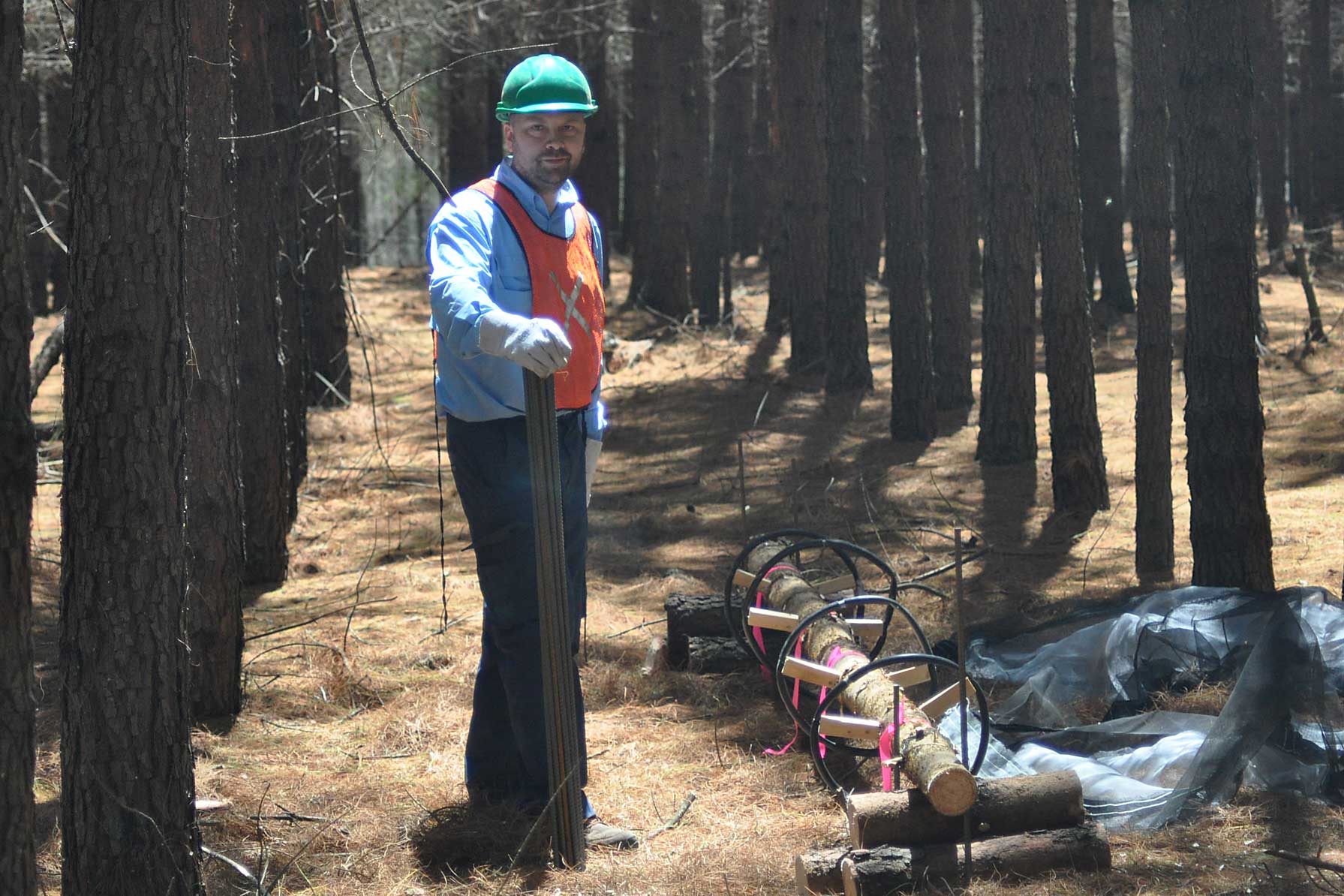
Our research interests lie at the interface of behavioral chemical ecology and pest management. The primary focus of our work is the development of an understanding of the chemical ecology of insect pests of plantation forests and agricultural tree crops in the southern hemisphere. By using pest species as model systems we are able to simultaneously make discoveries that advance our understanding of the natural world and provide biorational pest management tools to stakeholders. Specific ongoing projects include the development and optimization of survey and detection tools, characterization of the active space of semiochemical-baited traps and the biotic and abiotic factors that influence it, the impact of chemical ecology on the efficacy of biological control, the chemical ecology of insect pests of plantation and fruit and nut trees and the causes and consequences of variation in insect sex pheromones.
If any of these topics or related ones interest you please contact us. We are always looking for talented graduate students, postdocs and collaborators.