


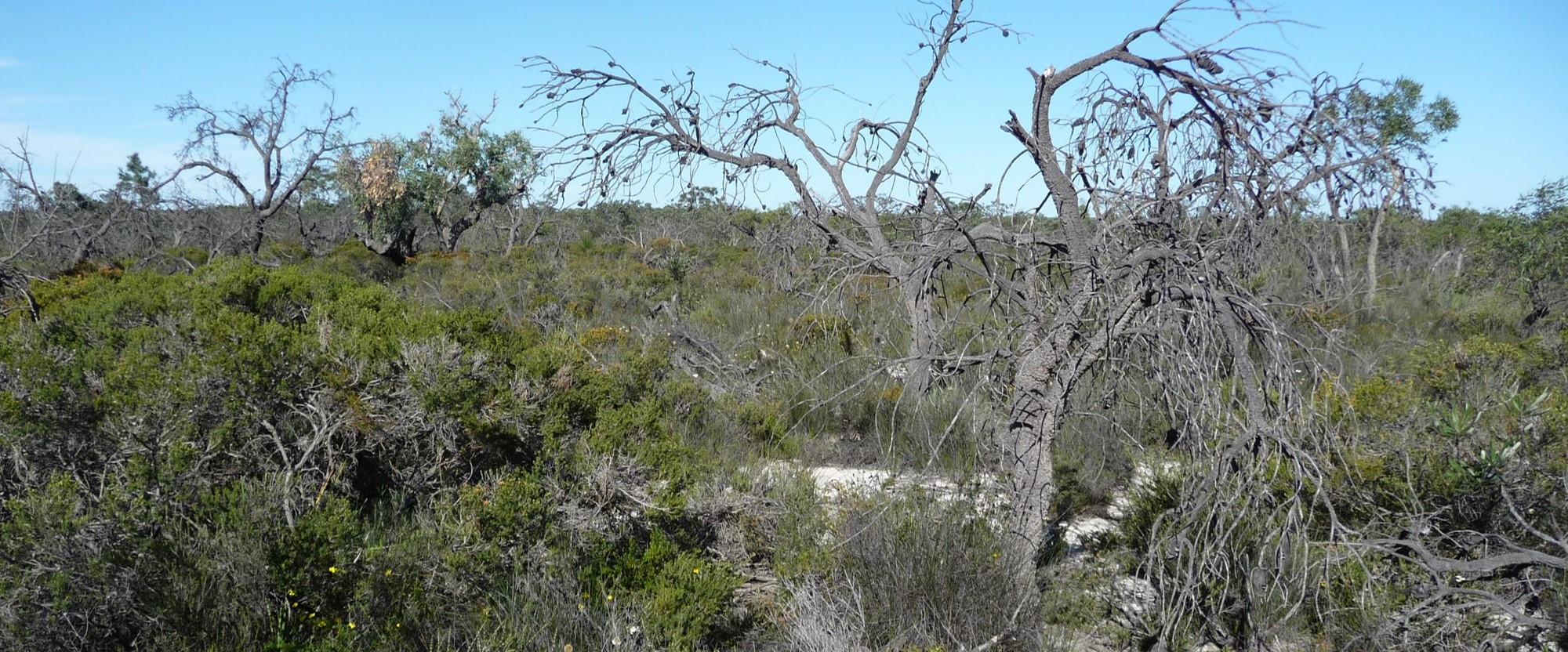
The acquisition of remote and close-range sensor data (e.g. thermal, hyperspectral), either via satellites, aeroplanes or - more recently - unmanned aerial vehicles (UAVs) has been already proven valuable for managed and natural landscapes. The application of UAVs in combination with optical sensors for crop and forestry status monitoring is a rapidly developing field that offers immense opportunities for plant health management at a scale and level of detail never before possible.
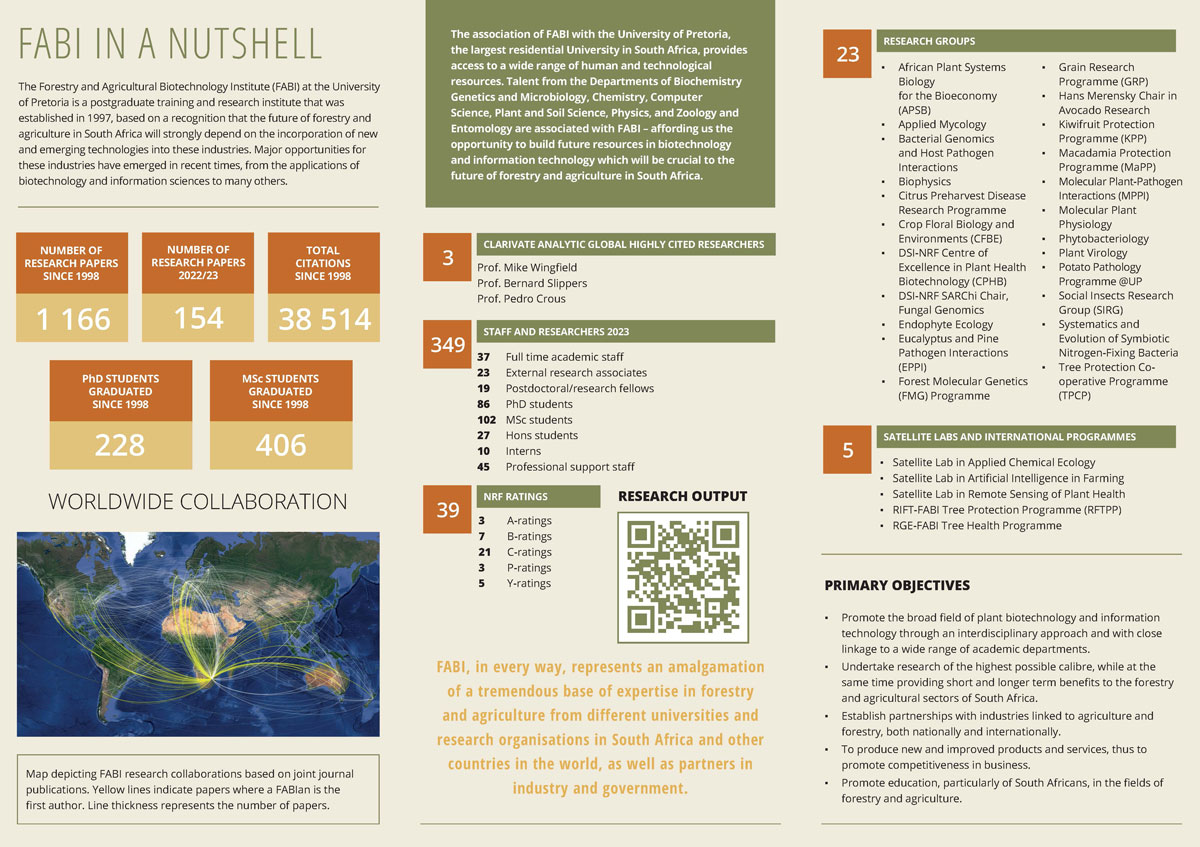
The Forestry and Agricultural Biotechnology Institute (FABI) at the University of Pretoria is hosting world-leading programs focusing on vexing problems regarding the global burden of plant diseases and pests in commercial systems, as well as their spill-over into native vegetation. The University also has extensive capacity Engineering and Information Sciences relevant to remote sensing of plant health, in particular in departments such as Civil, Electrical, Electronic and Computer Engineering and Computer Science. The University of Pretoria wishes to capitalise on these capacities by developing capacity in the field of remote sensing of plant health. Such an endeavour will also link to developments in the chemical ecology, plant phenotyping and data science capacity in FABI.
The University of Ghent (UGent) is a top 100 university and with over 46000 students and 15000 staff members, it is one of the leading universities in Belgium. The Faculty of Bioscience Engineering, one of UGent’s 11 faculties, is a European research leader in the field of applied biological and life sciences or bioengineering. Its focus on sustainability in life sciences, management and protection of natural and man-made ecosystems, leads to a strong international orientation, with strong support for academic collaboration and research supporting development organisation.
The UAV Research Centre (URC) is a recently established centre of excellence that merges knowledge on UAV remote sensing applications at Ghent University. This multidisciplinary research centre is lead by Prof. Wouter Maes (Faculty of Bioscience Engineering) and Prof. Hiep Luong (Faculty of Engineering). Sustainable precision agriculture is one of the two key focus domains, with particular expertise in early detection of plagues and diseases. In addition, the application of UAV technology in improving agricultural practices in developing countries is one of its main targets.
As such, the collaboration with FABI is a perfect fit for the URC. It will help to expand research through shared projects, and to expand knowledge and experience on plant health monitoring in other regions and for other crops and plants. The expertise of FABI on plant health biotechnology is highly complementary with the expertise of the URC, and provides the basis for potential fruitful and long-lasting collaboration.