

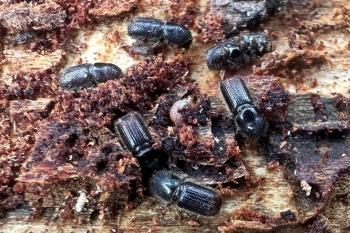
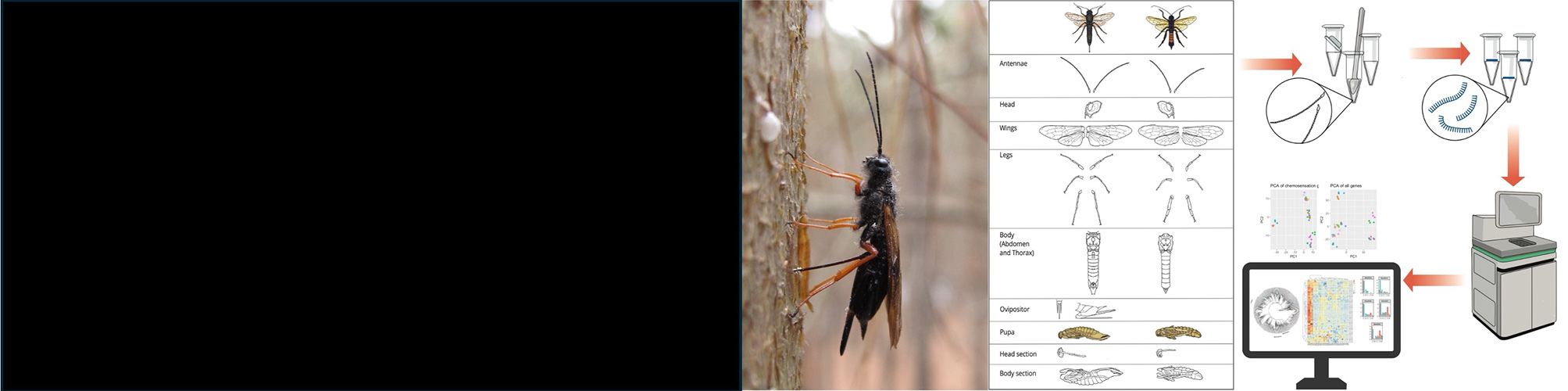

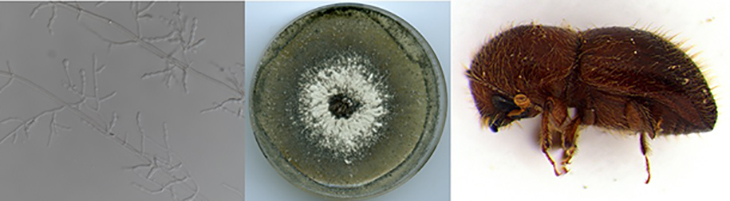
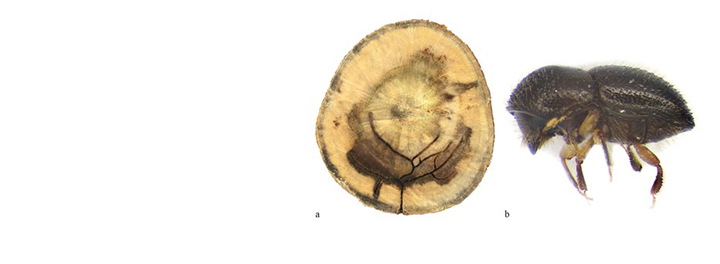
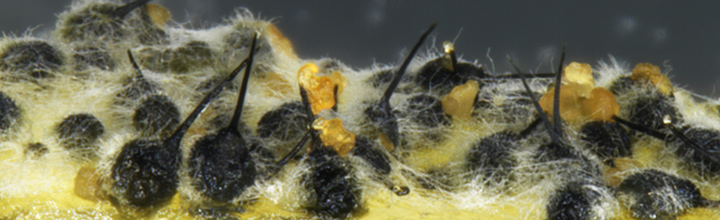
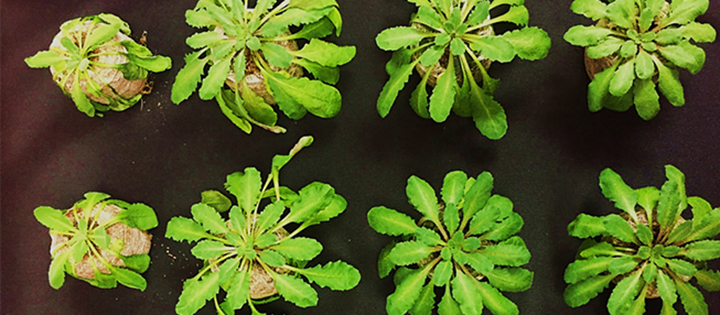
This website serves as a link and resource for the research and forestry community interested in the invasive pest, Sirex noctilio (the Sirex Woodwasp), and its control.
Just over 100 years has passed since the Eurasian woodwasp Sirex noctilio, first appeared outside its native range, in pine plantations of New Zealand. This alien invasive pest, together with its Amylostereum areolatum fungus symbiont, gradually spread, first to Australia and later, in the 1980's to South American countries. Sirex continues to spread in South America and alarmingly, in the early 1990's appeared for the first time on the African continent, in South Africa. Just two year's ago the wasp was encountered in New York and it is now known to be established in eastern North America. In every country where S. noctilio has become established, it has resulted in considerable damage and cost to local economies. There can be no doubt that the global spread of Sirex is set to continue. Special measures and a resurgence of research effort will clearly be required to contain the negative impacts of this scourge to global forests and forestry.
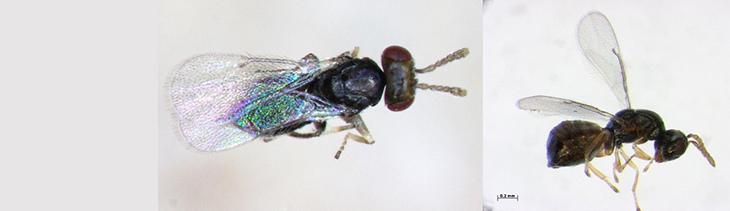
The first appearance of the Eurasian woodwasp in the southern hemisphere led to a period of intensive research on this pest. Substantial attention was given to control options that included the discovery and deployment of various biological control agents such as the wasp parasitoid Ibalia leucospoides and the parasitic nematode Deladenus siricidicola. These agents, together with silvicultural practices to reduce stress in plantations and stop the spread of the wasp, have yielded impressive control of Sirex, particularly in areas where Sirex first appeared. Control of Sirex in areas that it has more recently invaded has yielded variable and sometimes disappointing results. This could be attributed to factors relating to pine hosts new to Sirex, climatic conditions different to those where biological control has been effective, mismatch of biotypes of the wasp, its fungal symbiont or its parasites, or indeed a great number of other factors.
The website contains:
- LITERATURE - View, download and contribute papers linked to Siricidae, their associated fungi, tree hosts, parasites and control programs.
- LINKS - Sirex noctilio and Siricid related links
If you wish to contribute images or papers, or would like to join the SIREX LISTSERVER, linking the community of people working on this pest, please This email address is being protected from spambots. You need JavaScript enabled to view it. Bernard Slippers.