


Phylogenetic workshops are presented under the auspices of the CTHB and focus on the theoretical and applied aspects of the majority of methods used to infer phylogenetic relationships amongst organisms. These workshops were initiated in 2004 after a realization that most researchers have limited experience in the practical application of evolutionary models and tree building algorithms, as well as the execution of computer software used for the analyses. A major objective for the workshops has been to provide "hands on" experience in the use of databases available on the world-wide-web and the different software, both commercial and freeware, currently available for evolutionary biologists. The workshops are now separated into an Introductory Phylogenetic Workshop, managed by Dr Jane Wright and an Advanced Phylogenetic Workshop, managed by Dr Martin Coetzee, and are presented biannually.
FABI News
29 Jun 2026
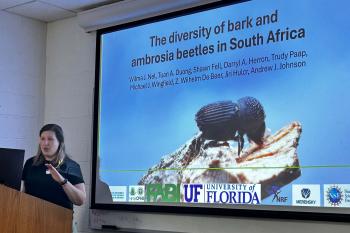
FABIAN visits the University of Florida Tropical Research and Education Center
Dr Wilma Nel visited the University of Florida Tropical Research and Education Center (TREC) to attend the MICROBENet^Net workshop
24 Jun 2026
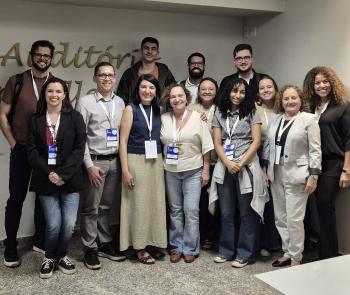
FABI Researcher Delivers Keynote at the 2nd Symposium on Fungal Genetics and Biology in Brazil
FABI's Dr Neriman Ylmaz attended the recent 2nd Symposium on Fungal Genetics and Biology (SFGB) in Brazil.
22 Jun 2026

FABI participates in celebrating Prof. Robin Crewe’s 80th birthday
FABIans were part of a recent symposium highlighting the scholarship and remarkable academic legacy of Prof. Robin Crewe
17 Jun 2026
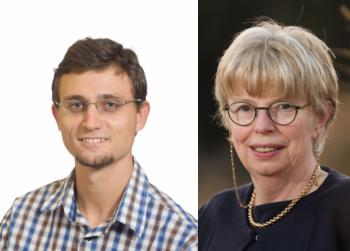
Two FABI team members shortlisted for South Africa’s ‘Science Oscars’
Two FABI Mancom members have been announced as finalists in the 2025/2026 NSTF-South32 Awards, widely recognised as South Africa’s ‘Science Oscars’
13 Jun 2026
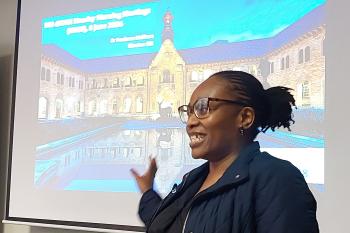
UP Director: Research, Innovation and Postgraduate Education, a guest speaker at the FABI MMM
Dr Prudence Makhura, Director: Research, Innovation and Postgraduate Education at UP was the guest speaker at the FABI Monday Morning Meeting
FABI in a nutshell
Research Features
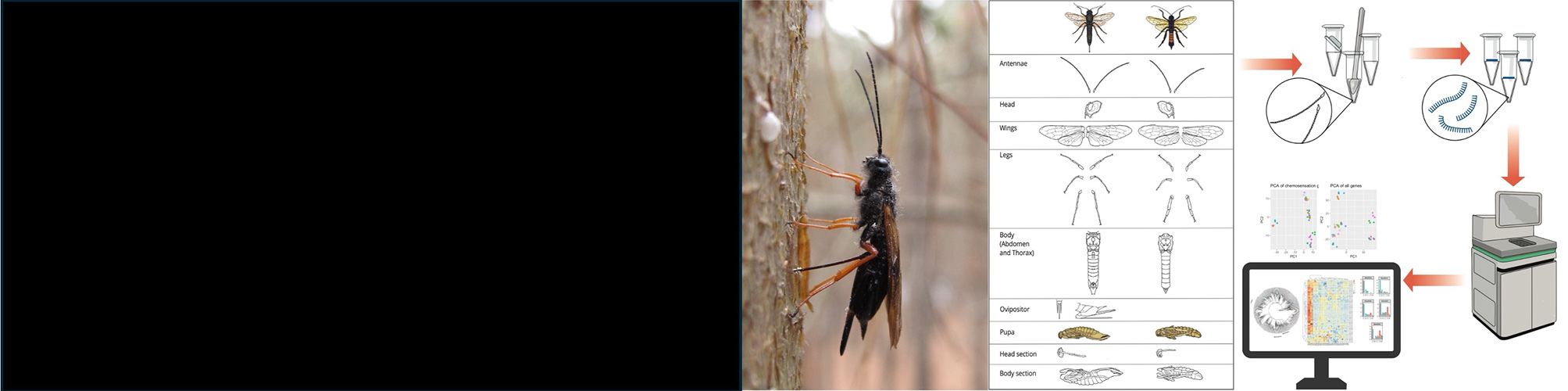
Tracing the past, building the future: FABI research unlocks the genetics and genomics of the Sirex woodwasp complex

FABI researcher co-authors global perspective on mycotoxins and food safety.
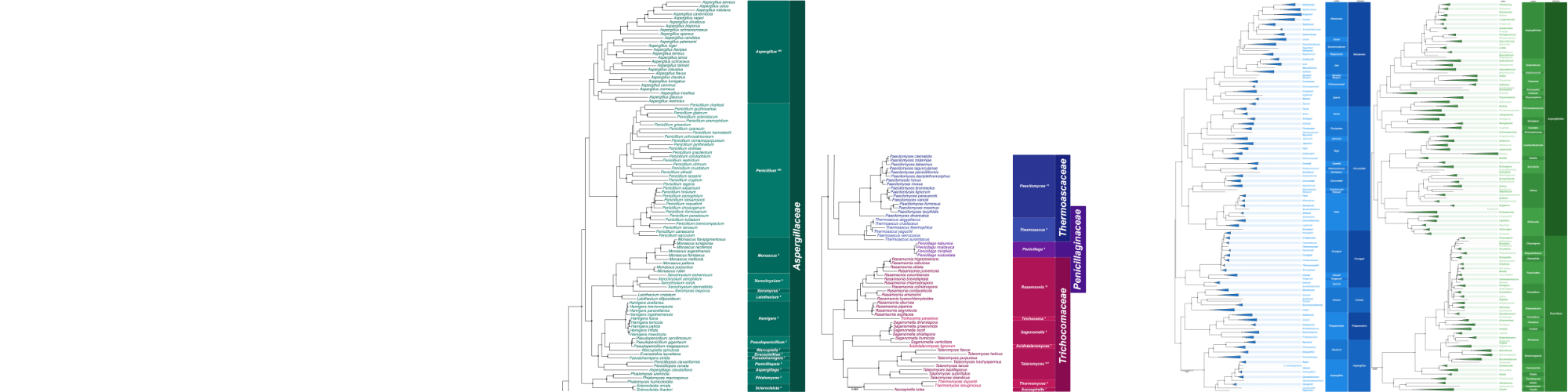
FABI researchers Prof. Cobus Visagie, Dr Neriman Yilmaz, and Nicole van Vuuren, together with international collaborators, have published a comprehensive taxonomic revision of the fungal order Eurotiales, which includes the economically important genera Aspergillus, Penicillium, and Talaromyces.
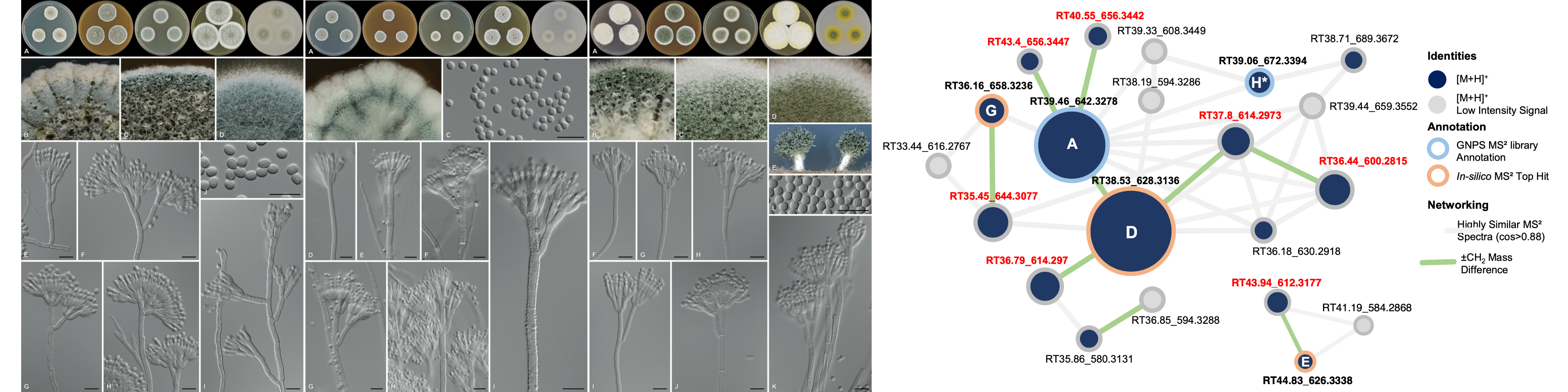
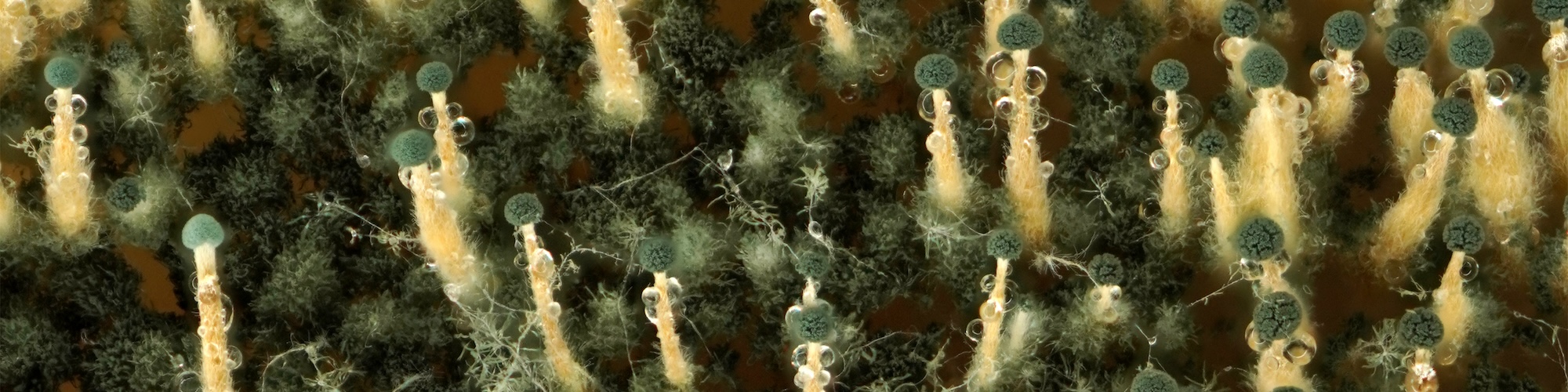
New publication explores the chemodiversity of Penicillium isolated from alpine and arctic environments, including ten new species.
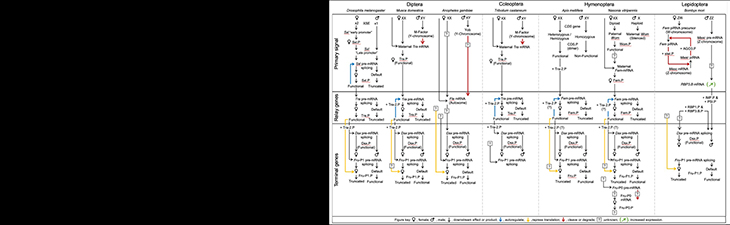
Review emphasizes the importance of understanding the genetics of sex determination for effective genetic pest management in insects.
Eleven new Penicillium and Talaromyces species discovered in South African culture collections.
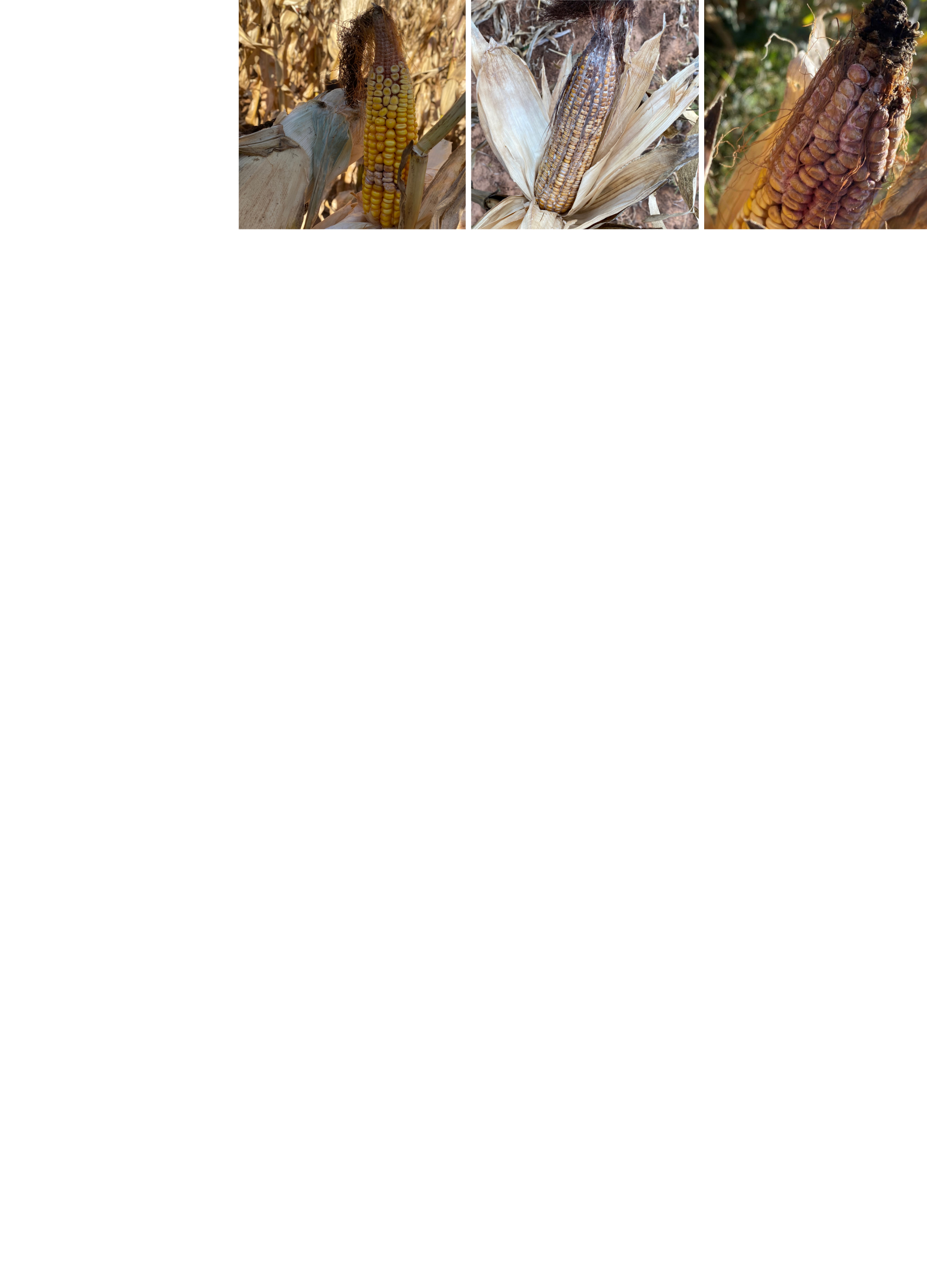
A new study reveals the presence of Mycotoxins in Eastern Cape maize in South Africa.
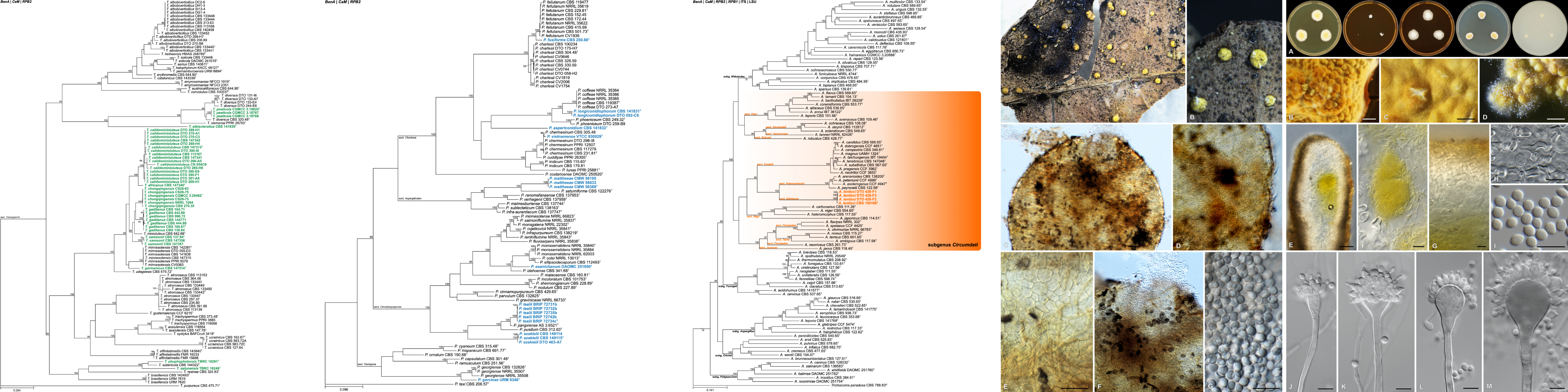
Eurotiales update: FABIans Prof. Cobus Visagie and Dr Neriman Yilmaz and their collaborators have published a review of recently described Eurotiales species, including the economically important Aspergillus, Penicillium, Paecilomyces and Talaromyces.
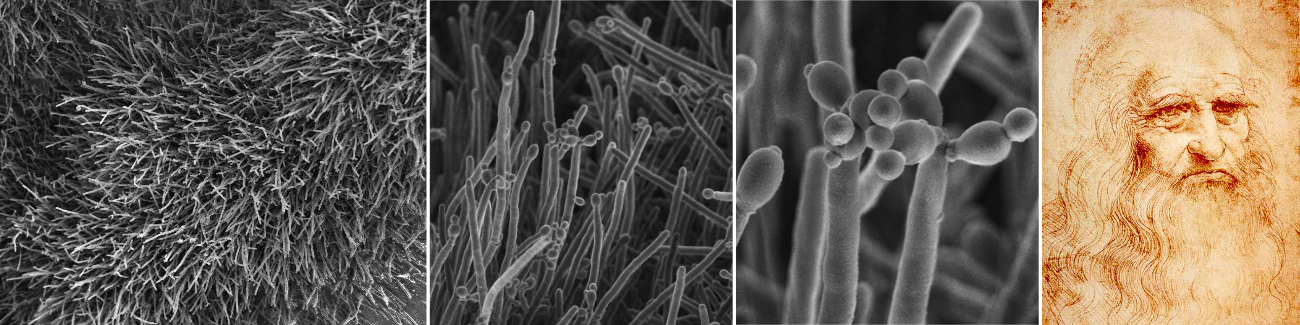
Da Vinci's Yeast: FABIans Prof. Cobus Visagie, Dr Neriman Yilmaz, and their collaborators have recently described and named a newly discovered yeast species of the famous Italian painter, draughtsman, engineer, scientist, theorist, sculptor, and architect Leonardo da Vinci.
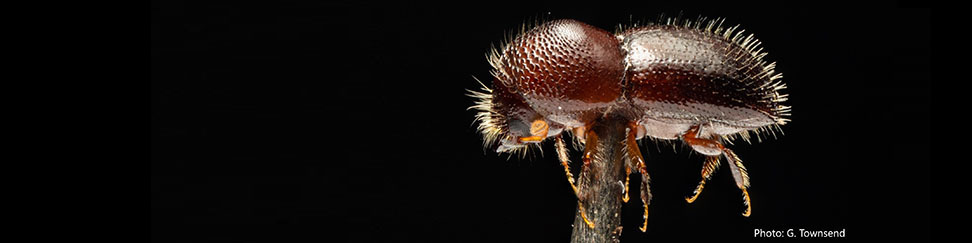
The potential economic impact of the PSHB invasion in South Africa has been calculated to be a massive R275 billion over the next ten years, if nothing is done to stop the spread of this invasive beetle. Researchers from FABI collaborated with Stellenbosch University ecologists and economists to model the unmitigated economic impact of this invasion.
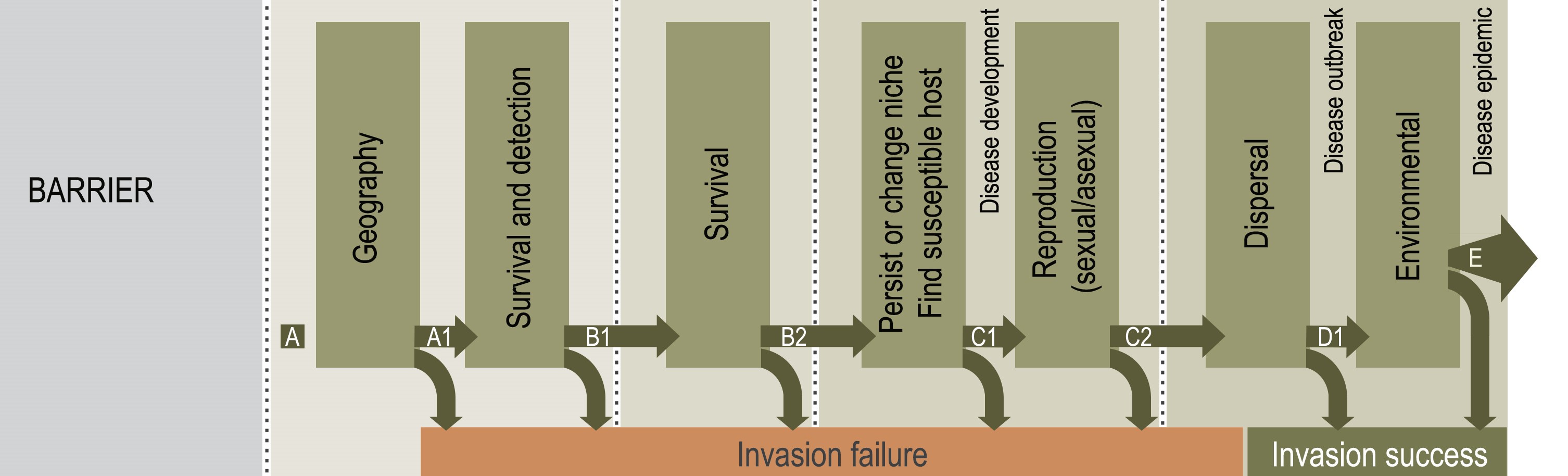
A recently published paper in the journal Current Forestry Reports documents a collaboration between an international team of forest pathologists and invasion scientists. Led by Dr Trudy Paap, the authors present a framework for conceptualizing and managing invasive forest pathogens.
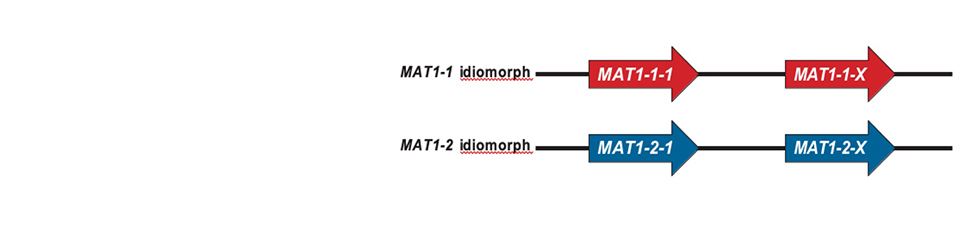
A recently published review article by Dr Andi Wilson in a special issue of the journal 'Microbiology & Molecular Biology Reviews' provides details of the genes that are essential to the sexual cycle in filamentous Ascomycete fungi and further describes their functions in a variety of model and non-model species.
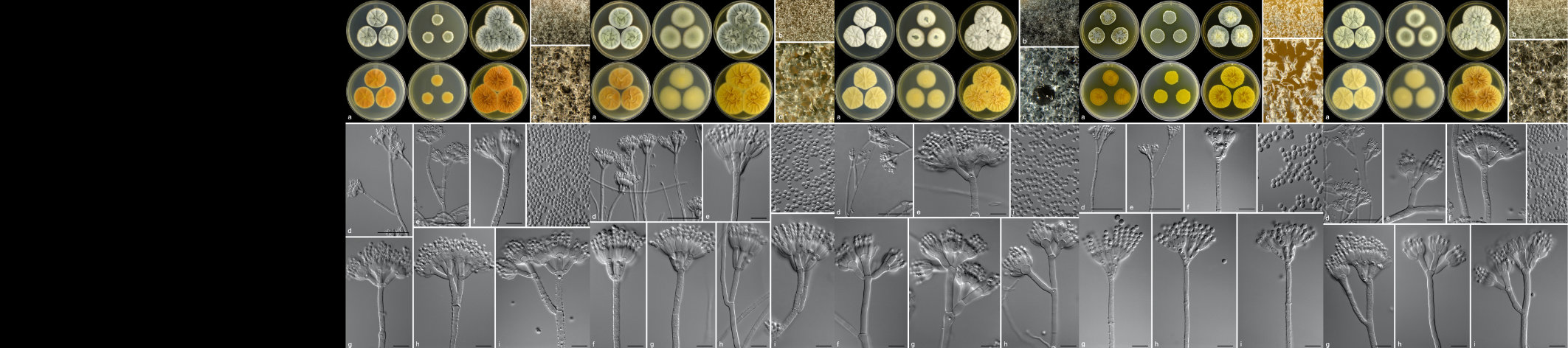
Penicillium section Canescentia re-evaluated and five new species described from the fynbos biome in South Africa.
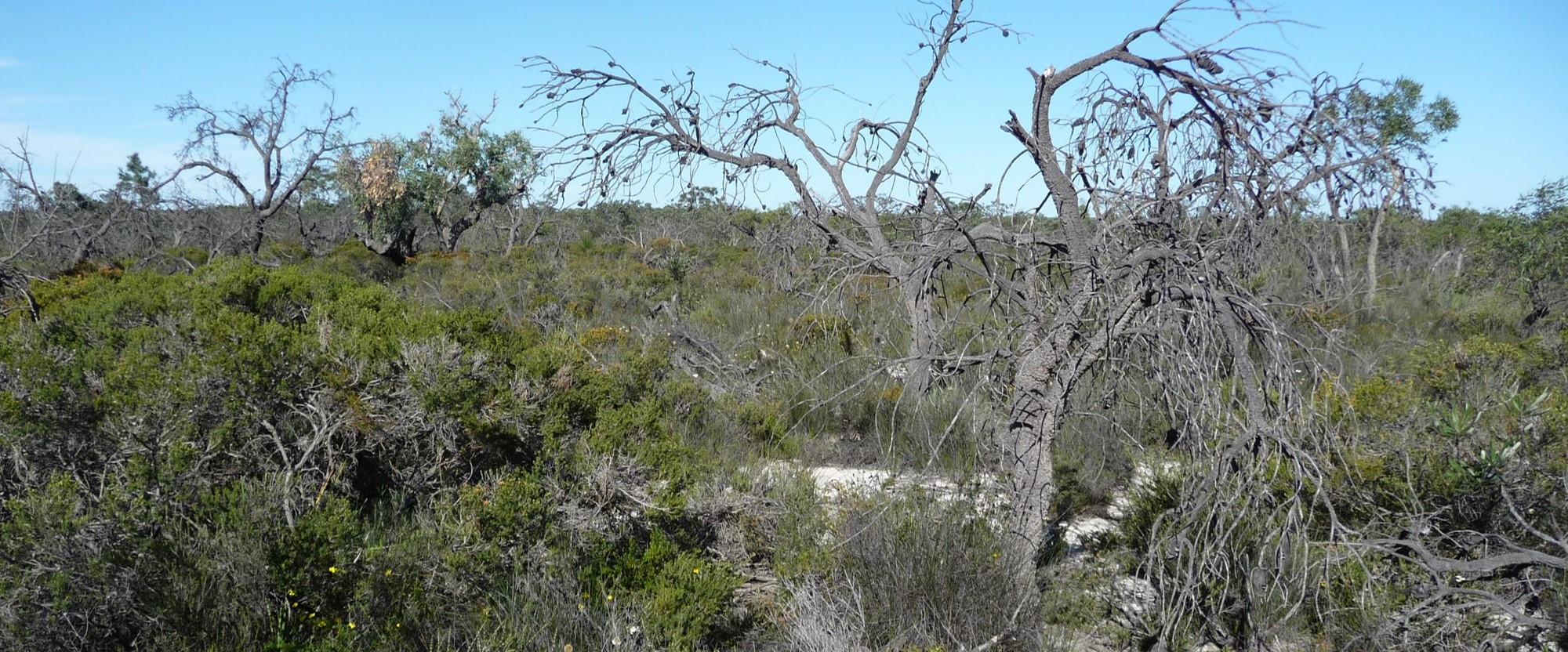
In November 2019, the DSI-NRF Centre of Excellence for Invasion Biology hosted a workshop on ‘Frameworks used in Invasion Science’. The workshop led to a NeoBiota special issue on this theme, and includes a review by FABI researchers and international colleagues, exploring frameworks in the context of forest pathology.
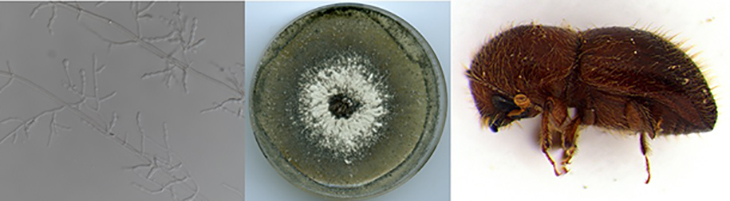
A doctoral study in FABI confirms for the first time the presence of Xylosandrus crassiusculus, a polyphagous ambrosia beetle and its fungal symbiont, Ambroseilla roeperi, in three provinces in South Africa. The authors warn that this beetle species could be a threat to native and plantation trees.
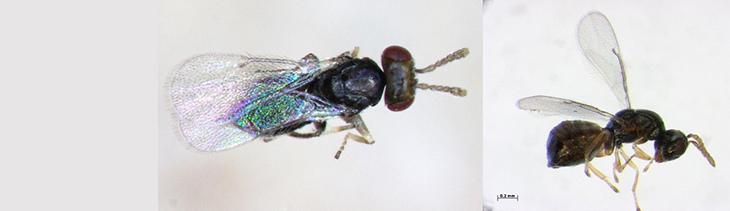
A review on invasive gall-forming wasps that threaten non-native Eucalyptus plantations by researchers in the TPCP appears in Agricultural and Forest Entomology. They profile several species of likely Australian origin that have established on non-native Eucalyptus plantations globally and discuss various challenges to their management.
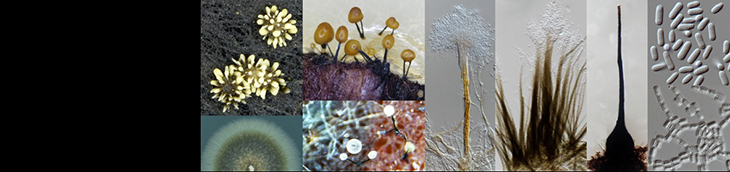
A study in the TPCP confirms the identity of seven novel fungal species associated with Dendroctonus valens, the red turpentine beetle. The study follows on surveys on the fungal associates of the beetle in China and North America. Results from this work appear in Persoonia.
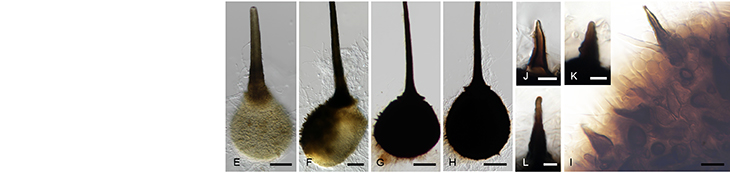
A postdoctoral study in the TPCP describes two novel Huntiella species in the African clade, bringing the number of known species in the genus to 31. Though closely related, the two species display different mating systems. Outcomes from this study appear in the journal MycoKeys.
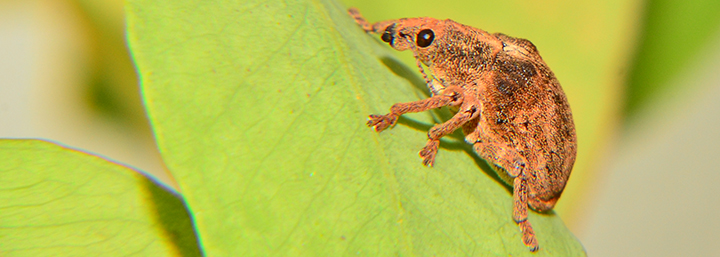
A review of the invasion history and global management strategies of Eucalyptus snout beetles in the Gonipterus scutellatus species complex by researchers in the TPCP appears in the Journal of Pest Science.
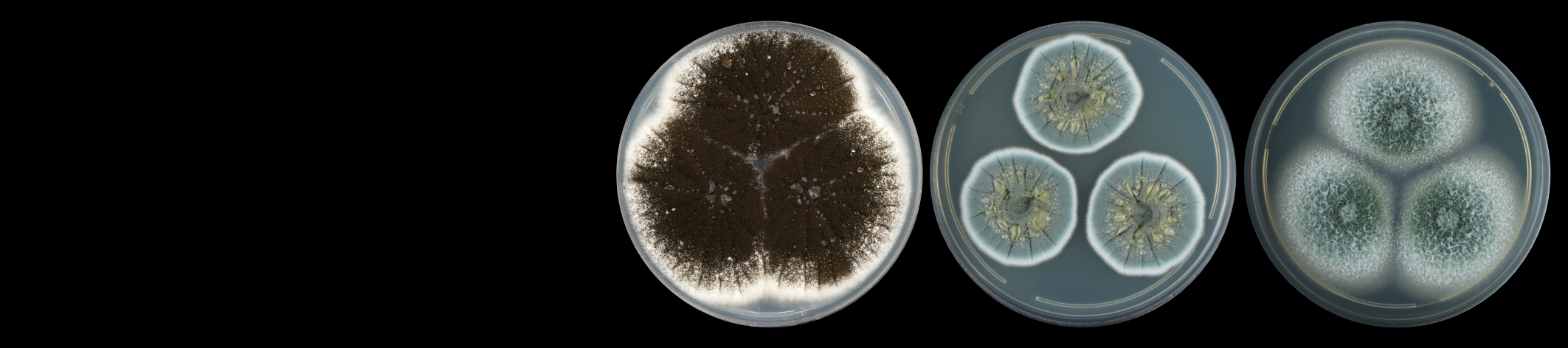
In a collaborative venture with Dr Jos Houbraken (Westerdijk Fungal Biodiversity Institute, the Netherlands), Prof. Cobus M Visagie, Dr Neriman Yilmaz (both from FABI) and others have recently completed and published a major study updating the taxonomy of the Eurotiales.
A study in the Forest Molecular Genetics (FMG) Programme at FABI interrogates the benefits of implementing genomic selection for growth and wood quality traits in an established Eucalyptus grandis breeding programme in South Africa. Outcomes from this study appear in an article.
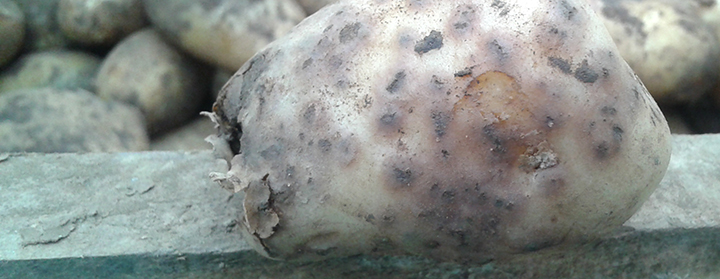
The first study on alternative weed and cultivated hosts of Spongospora subterraneaf. sp. subterranea (Sss), in southern Africa identifies two species as ideal trap crops for rotation with potatoes. The study also introduces three new families to the known hosts of Sss in the region.
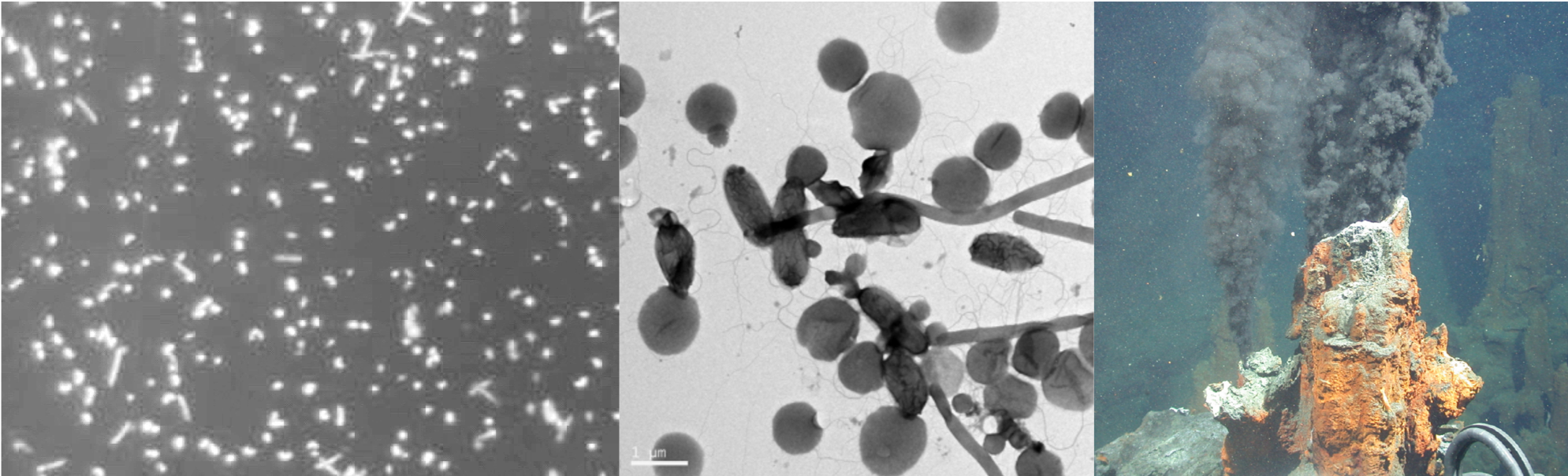
A consortium of microbiologists from around the globe, FABI included, is pushing for an overhaul in how scientific names are assigned to uncultivated bacteria and archaea. Despite their ecological, agricultural and medical importance, these organisms traditionally have not been recognized by the international body governing the nomenclature of prokaryotes.
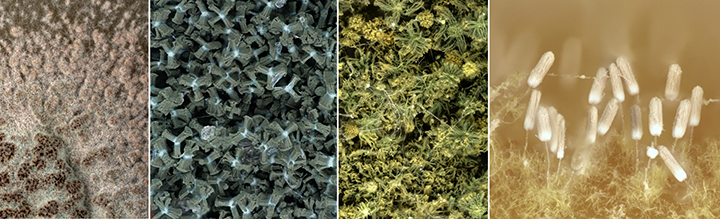
Professor Cobus Visagie is a researcher in the Applied Mycology group at FABI. One of the group’s research goals is to discover fungal diversity in South Africa, and Cobus’ research is strongly focussed on the economically important genera Aspergillus, Penicillium and Talaromyces.
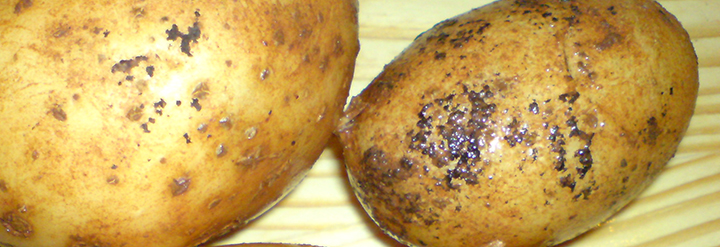
Postdoctoral research by Dr Norman Muzhinji in the Potato Pathology Programme at the Forestry and Agricultural Biotechnology Institute (FABI) sheds light on the genetic structure and diversity of Spongospora subterranea f. sp. subterranea in four potato-growing regions in South Africa, providing valuable insights on its management.
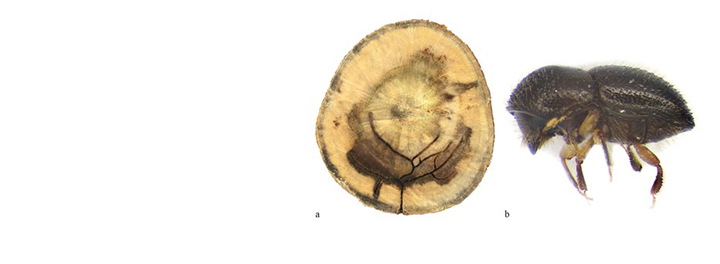
An MSc study by Kira Lynn in the RGE-FABI Tree Health Programme at the University of Pretoria has described a new Fusarium species, Fusarium rekanum sp. nov., associated with Euwallacea perbrevis, an ambrosia beetle species infesting Acacia crassicarpa plantations in Riau, Indonesia.
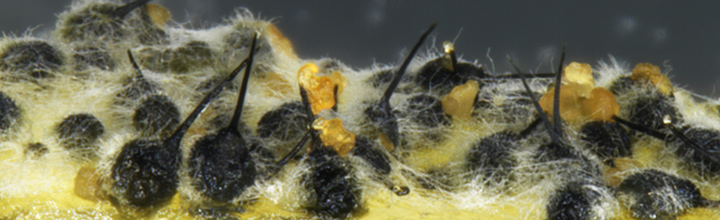
FABI postdoctoral Fellow Dr Andi Wilson has established a CRISPR-Cas9-based genome editing protocol for use in Huntiella omanensis, a tree-inhabiting fungus belonging to the Ceratocystidaceae family.
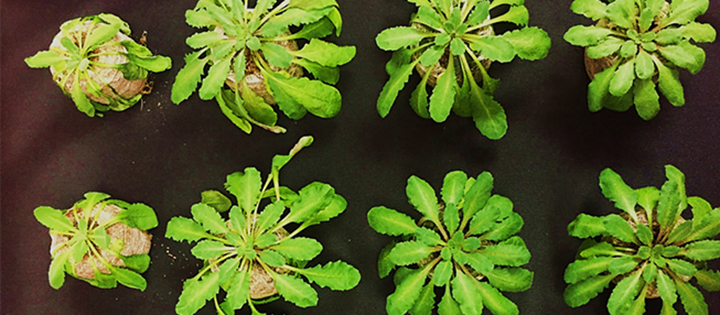
Research undertaken as part of a PhD study by Molly Malefo at the University of Pretoria’s Department of Plant and Soil Sciences and Forestry and Agricultural Biotechnology Institute sheds more light on the role of protease inhibitors in plants under drought stress.
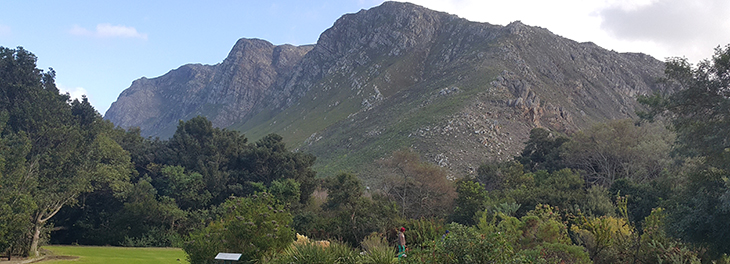
The South African National Biodiversity Institute (SANBI) has funded a postdoctoral research project dedicated to monitoring plant health in botanical gardens and arboreta across South Africa. Two postdoctoral Fellows at the University of Pretoria’s Forestry and Agricultural Biotechnology Institute have held these fellowships.
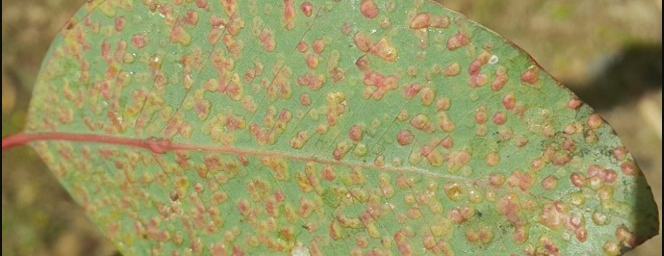
The first comprehensive study mapping the distribution and genetic diversity of invasive Eucalyptus insect pests in sub-Saharan Africa confirms the presence of five major foliage-feeding species in 14 countries. The results of this study have implications on the quarantine, future research and management of these pests on the continent and beyond.
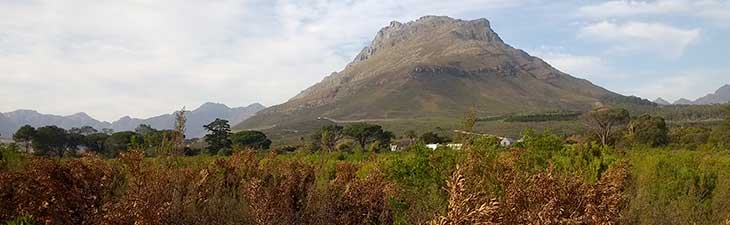
Dr Joey Hulbert broke new ground when he became the first candidate at the Forestry and Agricultural Biotechnology Institute to complete a PhD study incorporating citizen science. Citizen science is an approach that involves members of the public as active participants in scientific research.
FABI technology unravels the genetics behind fungal genome evolution The RIPper is a bioinformatics tool for the for quantifying genome-wide RIP mutations in fungal genomes. The strength of this software lies in the automation of laborious techniques to study the mutation process called Repeat-Induced Point mutations (RIP). The RIPper applies these technique
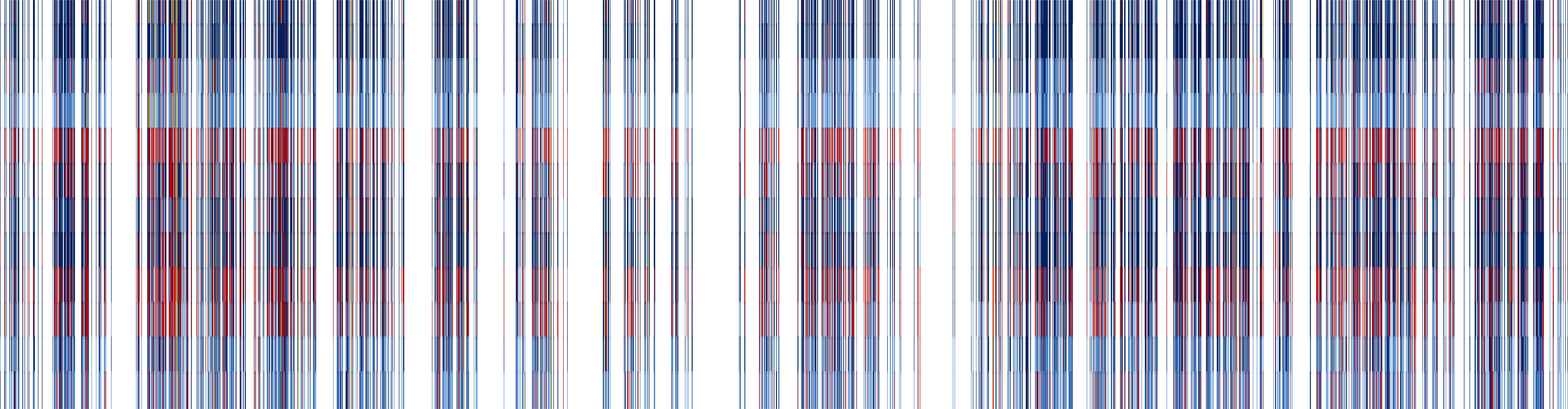
With the increased availability in genome data, inferences regarding evolutionary relationships among taxa can now be performed on a genome-wide scale. But it is widely accepted that not all parts of such massive datasets support the same evolutionary hypothesis. Because of this, a group of researchers at FABI recently investigated the effect of this.
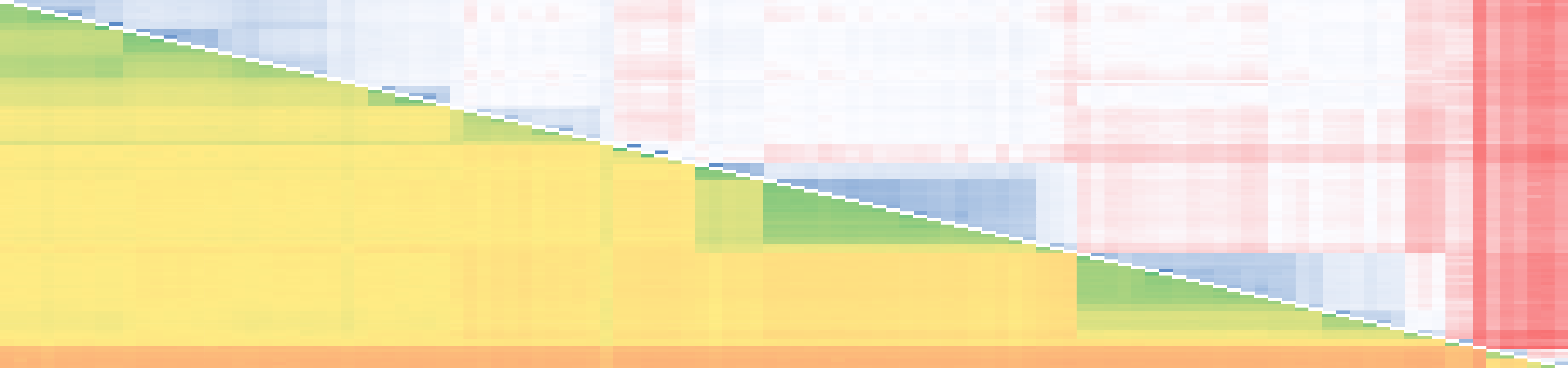
The use of genome data to characterize species and elucidate relationships, particularly between problematic taxa, has become routine practice in bacteria. Recently, researchers from FABI joined in an international effort to describe two novel genera and characterize these within the larger context of the important bacterial group Burkholderia.
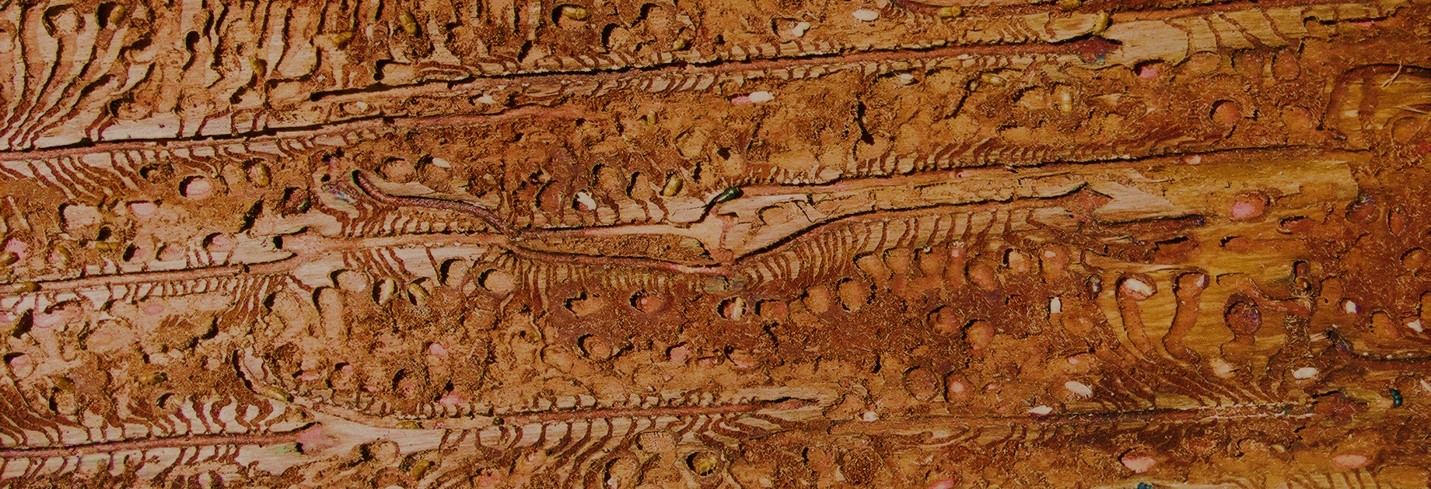
A PhD student in FABI, Runlei Chang, has discovered and described 19 new fungal species from China as part of the research for his thesis. These fungi are all associated with conifer-infesting bark beetles and their mites and belong to well-known genera such as Ophiostoma and Leptographium.
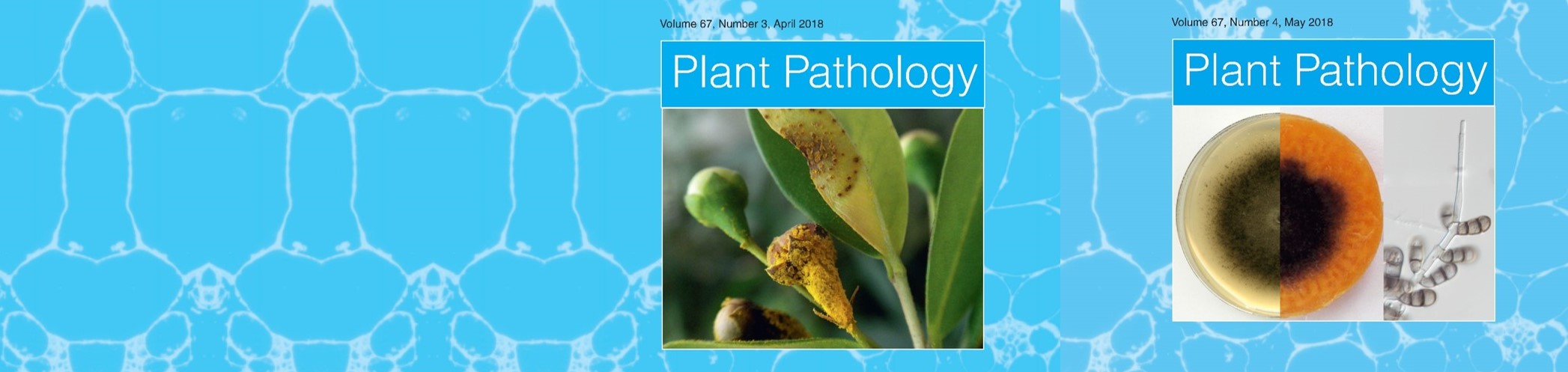
Two research papers from FABI were selected as cover stories in two consecutive issues of the international journal, Plant Pathology. The journal is published by Wiley for the British Society of Plant Pathology.
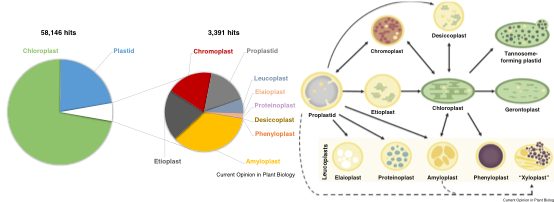
Plastids play an integral role in wood formation, and yet they are routinely ignored in the study of xylogenesis in forest trees. Desre Pinard and Dr Eshchar Mizrachi have published a review highlighting the unique biology of plastids in wood, suggesting that a new type of plastid, the xylopast, exists.

Approaches for characterizing metabolic potential from genomic sequences have previously been predicted to be useful in the description of bacterial taxa. Dr Marike Palmer, has recently employed these approaches for identifying biological processes contributing to the divergence of bacteria with a variety of lifestyles.
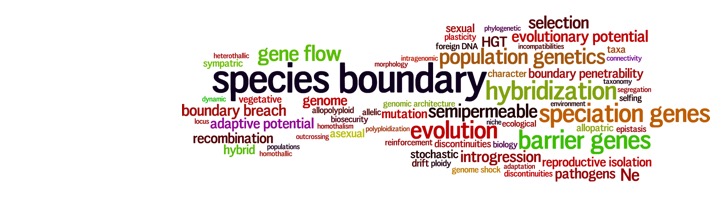
Comparative genomics is shaping our notion of what fungal species are. Based on current data, these unique evolutionary units are separated from one another by boundaries that are porous under certain conditions. This affects our expectations regarding their population biology and evolution, and our strategies for recognizing and controlling them.
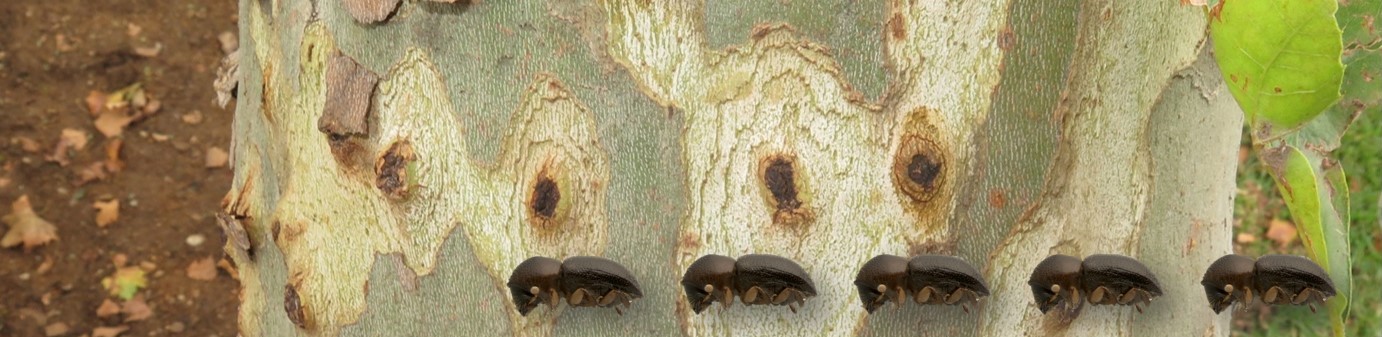
The Polyphagous Shot Hole Borer is an ambrosia beetle native to Southeast Asia. In 2017 this pest was detected in South Africa. Its presence has since been confirmed in all provinces except Limpopo. The beetle has a symbiotic relationship with the fungus Fusarium euwallaceae, which causes branch die-back and death of susceptible trees.

New Publications
Burgess TI, Wingfield MJ. (2026) Unveiling a hidden menace: Invasive tree pathogens, less known but increasingly threatening Southern hemisphere forests. Annual Review of Phytopathology 64
10.1146/annurev-phyto-011325-100959
Motete T, Solís M, Hammerbacher A, Naidoo S. (2026) Gene expression profiling in Eucalyptus associates Phenylpropanoid resistance to Teratosphaeria destructans. Plant Pathology
10.1111/ppa.70207
Aylward J, Atkins S, Roets F, Danti R, Della Rocca G, Emiliani G, Fraser S, Garbelotto MM, Herron DA, Scali E, Wingfield BD, Wingfield MJ. (2026) High genetic diversity in the Cypress canker pathogen Seiridium cardinale in the Southern Hemisphere. Plant Pathology 75
10.1111/ppa.70212
van Heerden A, Pham NQ, Duong TA, Wingfield MJ, Wingfield BD. (2026) Draft genome sequence of Ganoderma philippii, a serious root rot pathogen of Eucalyptus in Southeast Asia. Australasian Plant Pathology 55:81.
10.1007/s13313-026-01159-1
Schoeman C, Roodt D, Mc Menamin A, Bezuidt O, Dithugoe C, Pinard D, Mizrachi E. (2026) Conserved symbiosis-associated genes in the cycad Encephalartos natalensis suggest co-option for cyanobacterial symbiosis. New Phytologist
10.1111/nph.71311


