



The Tree Protection Co-operative Programme (TPCP) provides a free pest and disease diagnostic clinic service for its members. This allows the early identification of pest and disease problems, and contributes to the long term records of pests and pathogens in the country. This allows information to be gathered regarding trends in the development and spread of pests and pathogens in the country.
To ensure accurate diagnoses, special care must be taken when collecting and sending samples:
- Samples should accurately represent the pest or disease situation.
- Samples must thus be collected so that they represent the primary symptom concerned.
- Collect dying, rather than dead trees. Where a root disease is suspected, it is advisable to also send a handful of soil from the root zone of the affected trees.
- Collect samples from at least three trees, where possible, but five is preferable.
- Do not allow samples to dry out by exposing them to direct sunlight. Try to dispatch samples on the day of collection.
- Send samples via a courier service, or a reliable overnight service. Please phone ahead and inform the TPCP before any samples are sent. This makes it possible to communicate detailed information regarding the collection and packaging of the samples. This can be especially important for insect samples that require different packaging depending on the insect involved, to ensure the samples arrive in good condition. Confirmation will be given when samples have been received.
- Remember to include the collectors name and contact details with samples. Information on the trees affected (species, clone, age) and site (compartment number, temperature/rainfall information for past month, GPS coordinates) should be included.
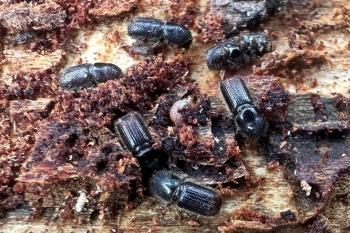
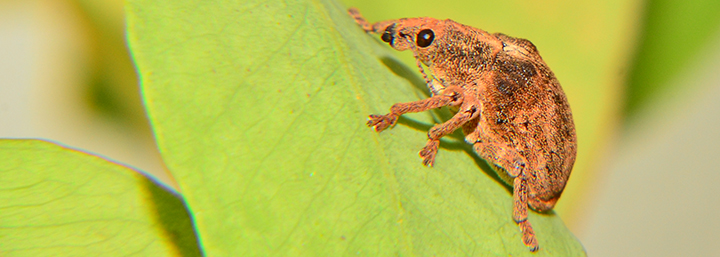
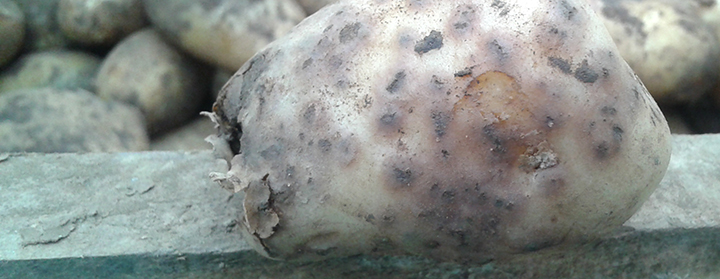
- Samples can include: insects; diseased or insect-attacked roots, soil, stems, leaves and branches; and water. When water needs to be tested it has to be done on site, requiring pre-arrangement.
- Sample processing requires a minimum of two weeks, most commonly around 3-4 weeks. In crucial situations, preliminary diagnoses are made and recommendations offered. These are then followed up with further and more accurate details when these become available. Upon receipt, all samples are provided with a reference number. This number is dispatched to the contact person within a week. If this is not received, it might be assumed that the sample has not reached its destination.