







FABI News

FABI Events

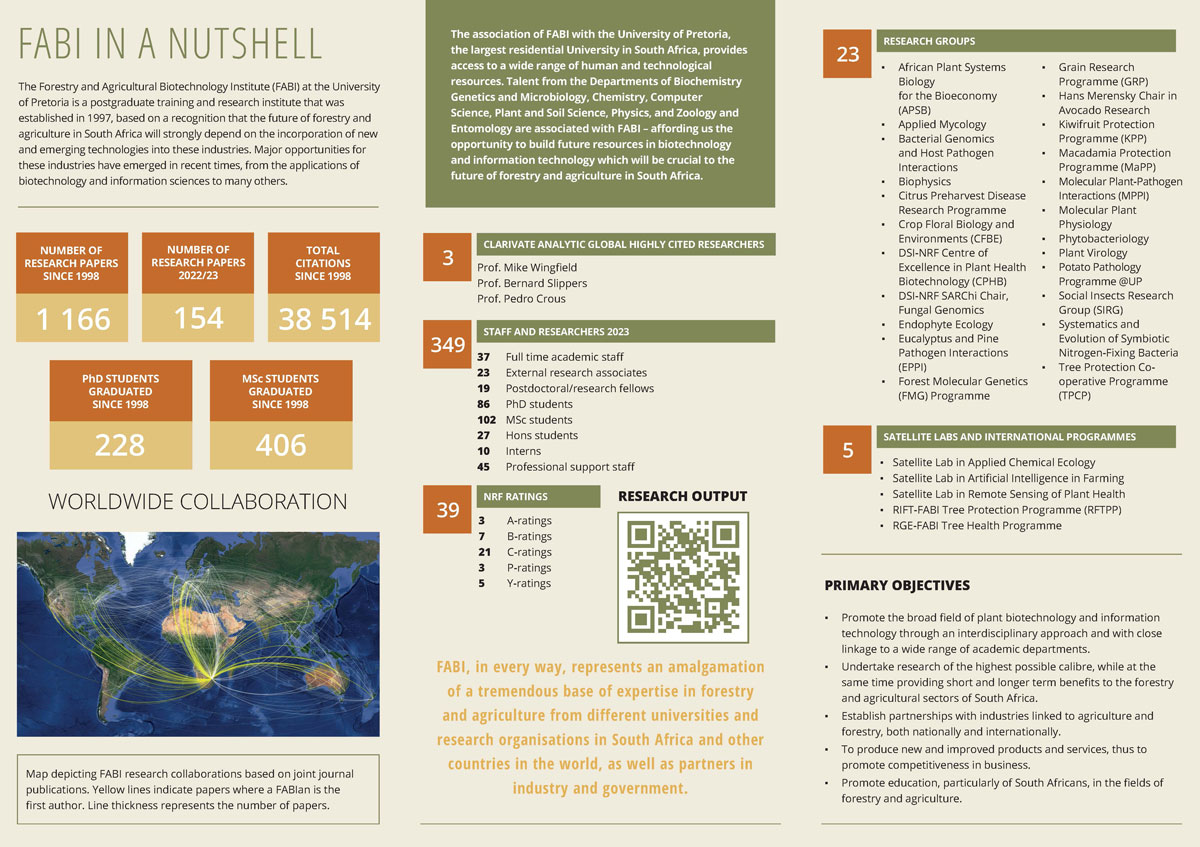
FABI in a nutshell

Research Features

What is the first thing that comes to mind when somebody mentions stink bugs? Everybody knows that I referred to their odour. Indeed, stink bugs are well known for producing blends of odoriferous compounds. This unpleasant smell come from a specific gland located in their abdomen where are storage severely compounds. These compounds are important for stink bugs to communicate and interact with their environment, especially in dense vegetation. Their odour can communicate an alarm signal amongst themselves, or signals of repulsion or attraction to their natural enemies.


Now I can see your question, why odoriferous compounds could be used to protect macadamia nuts? This is quite important for the management because these compounds could be used simultaneously to repulse stink bugs from their host plants, and to attract their natural enemies. In my research, we therefore study communication of stink bugs in order to understand how we can use these chemical messages as control options to protect macadamia orchards in South Africa.

Every year, the macadamia industry is affected by stink bugs, which results in several million rands of estimated crops loss. With no other solutions currently available, the industry is forced to spray a large quantity of insecticides. Although the utilisation of chemicals is a short-term control, understanding the biological characteristics of a species can provide clues to develop sustainable methods for the environment.

In our study, we looked at the two-spotted stink bug, Bathycoelia natalicola (family Pentatomidae). This native species of South Africa was discovered in the 1980s and represents the most dominant pest in macadamia orchards. We determined the gland contents of this bug at different ages, and between male and female. In addition, we analysed the behavioural effect of each of the components present in their blends. We extracted the compounds by two methods: directly by gland extractions, and indirectly with alive insects. We found in the odoriferous blend of males and females more than ten components with at least four main components. Our results show that these components are involved in the alarm behaviour of stink bugs and can be used as a defence toward their enemies. The next step will be to determine the minimum blend of compounds that are essential and sufficient to elicit an equivalent activity to that elicited by components released by live bugs, and the optimal ratio and rate of components that are repellent under field conditions. Identification of pheromone is required in order to exploit their full utility, but these results are the first step for South Africa in the

management control of B. natalicola in macadamia orchards.

Semiochemicals of stink bugs and management, a long journey

Many stink bugs are pests whose importance has increased in consequence of the expansion of

chemical utilisation, giving rise to several research on stink bug semiochemistry since the 80s.

Semiochemicals confer multiple communication functions and may be act as a pheromone,

allomone, kairomone or synomone, depending on the context which it is being used or

exploited by senders and receivers.

Pheromones are used for communication between members of the same species and can be

classify as sex, aggregation or alarm pheromone according to their functional role. Allomones

are components used against another species such as predators and parasitoids, which in the

case of stink bugs refer to their repellent smell. Conversely, natural enemies can used

kairomones of their prey to find them, where the benefit is for the receiver. Plant volatiles are

considered synomones when they attract natural enemies of stink bugs, conferring a mutual

benefit to the plant and enemies.

The utilisation of sex pheromones is the most well-known method of mating disruption in

insects, and widespread for lepidopteran pest control. Several studies on the sex pheromone

baited trap were conducted on stink bugs in the field. Nevertheless, compare to other insects,

stink bugs are more complex and are not easily caught in a simple sex pheromone trap. The

reason for this is their mating behaviour that results in a bimodal communication where a

chemical (sexual pheromone) and an acoustic signal (vibrations) are involved. Nevertheless,

scientists have more than one trick in their bag and they observed that stink bugs have an

aggregation capacity. Important research in USA on the invasive pest Halyomorpha halys, or

the brown marmorated stink bug, are currently conducted on commercial apple orchards where

a trap combined with his aggregation pheromone (discovered in 2014) are tested. Other field

experiments demonstrated the interest of the direct utilisation of the scent of stink bugs as a

spray in orchards to attract natural enemies.

As it the case in another country, the identification of semiochemicals of Bathycoelia natalicola

can provide a new tactic for integrated pest management in the macadamia orchards of South

Africa.

New Publications

Six DL, Marincowitz S, Duong TA. (2026) Ophiostoma ipsi-confusi sp. nov. Six, Marinc. & Duong, a consistent symbiotic fungus of the pinyon ips bark beetle, Ips confusus LeConte. Symbiosis 10.1007/s13199-026-01135-9
Yan Z, Zhao Y, Meng X, Gao M, Si H, Zhao G, Bose T, Chang R. (2026) New manganese-oxidizing Acremonium-like fungi from halophytic rhizospheres in the Yellow River Delta, China. Mycologia :1-13. 10.1080/00275514.2026.2627133
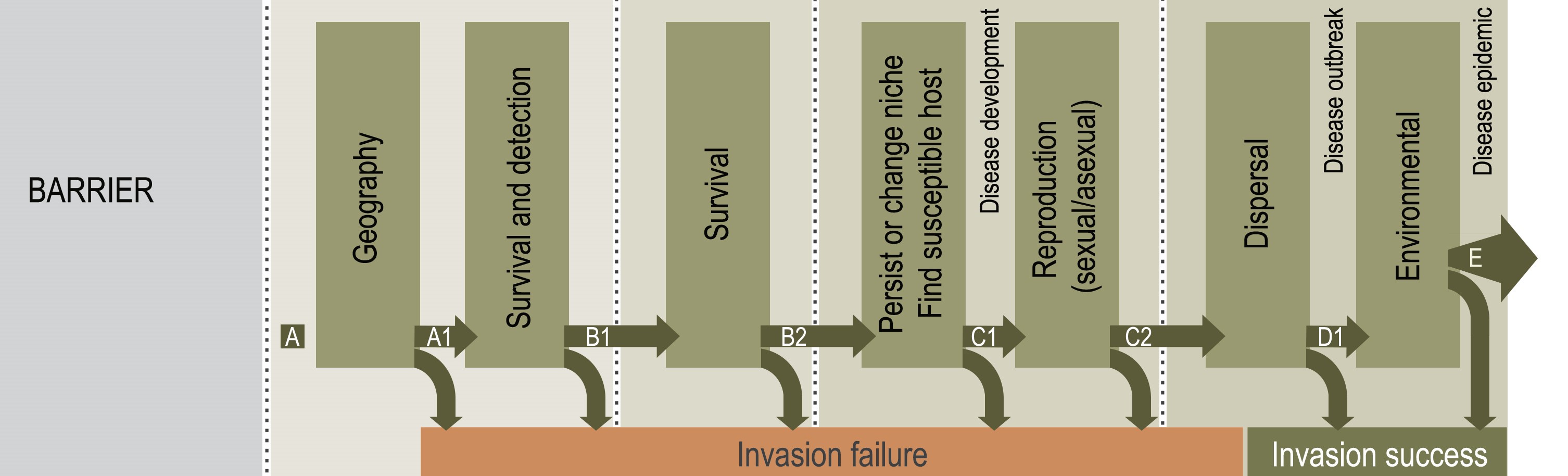
Eshetu FB, Barnes I, Nahrung HF, Fitza KNE, Slippers B. (2026) A Century of invasion: How biosecurity influenced populations of Sirex noctilio and Its fungal symbiont in Australasia. Molecular Ecology 35(6):0962 - 1083. 10.1111/mec.70311
Viljoen A, Duong TA, Kanzi AM, Wingfield BD. (2026) Comparative analysis of mitochondrial genomes in the Ceratocystidaceae reveals highly conserved gene organization despite substantial genome size variation. BMC Genomics 10.1186/s12864-026-12755-2
Ribeiro MF, Cavallini G, Solce GN, Favoreto AL, De Souza Passos J-R, Barbosa LR, Hurley BP, Wilcken CF. (2026) Cold storage of Gonipterus platensis (Coleoptera: Curculionidae) eggs for Anaphes nitens (Hymenoptera: Mymaridae) rearing. PeerJ :1-14. 10.7717/peerj.20903 PDF
Pham NQ, Marincowitz S, Marpaung YMAN, Tarigan M, Wingfield BD, Wingfield MJ. (2026) Two Cryphonectriaceae species from Eucalyptus leaves in North Sumatra and their stem inoculation outcomes. Fungal Systematics and Evolution 17:69–79. 10.15761/fuse.2026.17.05 PDF
Nickles GR, Stokes CK, Narh DL, Lynn KMT, Fuqua SR, Bryan C, Allen BM, Bivins CP, Bok JW, Brewer JS, Buthelezi ST, Clark JPRM, Coon KL, Corby LR, Coetzee MPA, Dewing C, Duong TA, Harris MA, Keller NP, Kopotsa K, Lane FA, Nichols HL, Nieuwoudt A, Nuñez MA, Medina Munoz ME, Park SC, Pham NQ, Ryan KT, Solís M, Vilgalys R, Wallace JM, Wang YW, Wingfield BD, Wingfield MJ, Worley TK, Zallek TA, Zamanian M, Hoeksma JD, Drott M, Pringle A. (2026) Equipped for success: Genomes and metabolites of the European Amanita muscaria are conserved in its novel South African range. New Phytologist 10.1111/nph.71064
Pham NQ, Wingfield MJ, Duong TA, Wingfield BD. (2026) Draft genome sequence of Elsinoe masingae: the causal agent of Eucalyptus scab in South Africa. Australasian Plant Pathology 55:37. 10.1007/s13313-026-01082-5
Pham NQ, Marincowitz S, Wingfield BD, Crous PW, Santos SA, Durán A, Tarigan M, Wingfield MJ . (2026) Pseudoteratosphaeria supramediana sp. nov. (Teratosphaeriaceae, Mycosphaerellales), a new foliar pathogen on Eucalyptus in Indonesia. Australasian Plant Pathology 55:28. 10.1007/s13313-026-01092-3
Nel WJ, Jali S, Barnes I, Wondafrash M, Hurley BP. (2026) Outbreaks of a native jewel beetle, Agrilus grandis (Coleoptera: Buprestidae), on commercial black wattle, Acacia mearnsii, plantations in South Africa. African Entomology 34(1):1-5. 10.17159/2254-8854/2026/a24625
Postma A, Klynsmith L, Duong TA, Allison JD, Smidt W, Waterhouse RM, Lesny P, Oeyen JP, Petersen M, Martin S, Liu S, Zhou X, Ziesmann T, Donath A, Mayer C, Misof B, Niehuis O, Peters RS, Podsiadlowski L, Coetzee MPA, Joubert F, Slippers B. (2026) Genome and transcriptome-based identification and expression profiling of chemosensory gene families across developmental stages and tissues in Sirex noctilio (Hymenoptera: Siricidae). Insect Molecular Biology :1-14. 10.1111/imb.70029
Aylward J, Visagie CM, Roets F, Wingfield BD, Wingfield MJ. (2026) Genome analyses reveal two novel species of Seiridium from Acacia mearnsii. Mycological Progress 25:8. 10.1007/s11557-026-02121-7
Liu QL, Wingfield MJ, Duong TA, Wingfield BD, Crous PW. (2026) Taxonomy, distribution and dispersal of Calonectria species: Important pathogens of forestry, agricultural and horticultural crops. Current Forestry Reports 12(4) 10.1007/s40725-025-00262-8
Nethononda PD, Hurley BP, Slippers B, Makhura MN. (2026) Smallholder farmers’ knowledge, perception and management of Spodoptera frugiperda (Lepidoptera: Noctuidae) on Zea mays at irrigation schemes in Limpopo province, South Africa. Crop Protection :107457. 10.1016/j.cropro.2025.107457
Swanepoel S, Naidoo S. (2026) A weighted gene co-expression network analysis characterises the common defence responses of Eucalyptus to diverse biotic challenges. Scientific Reports 16:5387. 10.1038/s41598-025-32699-z
Botha I, De Canha MN, Oberlander K, Botes J, Lall N, Berger DK. (2025) DNA barcoding and anti-tyrosinase activities of three species-representative populations of the genus Greyia Hook & Harv. South African Journal of Botany 189:55-67. 10.1016/j.sajb.2025.11.035
Thomas C, Wilken PM, Coetzee MPA, Visagie CM. (2025) Advancing the taxonomy of Sclerotinia (Helotiales, Sclerotiniaceae): a review and recommendations for an important plant-pathogenic genus. IMA Fungus 17:e175737. 10.3897/imafungus.17.175737
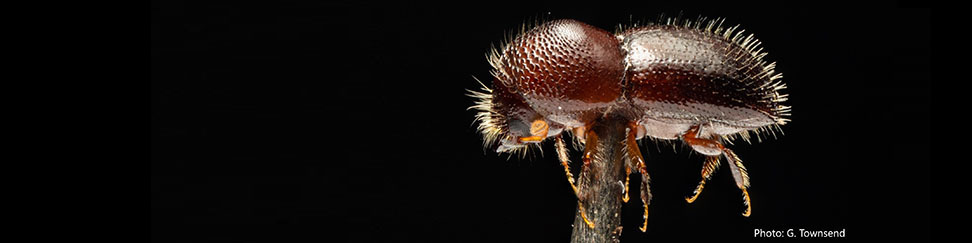
Townsend G, Hill M, Hurley BP, Nel WJ, Crous C, Roets F. (2025) First report of the ambrosia beetle, Amasa parviseta (Curculiondae: Scolytinae), in South Africa. African Entomology 10.17159/2254-8854/2025/a24167 PDF
Roux J, del M Angel L, Barnes I. (2025) First report of the eucalypt stem canker pathogen Teratosphaeria gauchensis in South Africa. New Disease Reports 52(2):e70091. 10.1002/ndr2.70091
Nel WJ, Barnes I, Jali S, Impson F, Oberprieler RG, Hurley BP. (2025) First report of Melanterius inconspicuus (Coleoptera: Curculionidae: Cleogonini) from KwaZulu-Natal, South Africa, with observations of its development in black wattle. Southern Forests 10.2989/20702620.2025.2537823 PDF
Regasa K, Beze W, Anjulo A, Wondafrash M, Hurley BP, Lawson SA, Healey M, Germishuizen I. (2025) Evaluating fungicides for the management of rust (Uromycladium acaciae) on black wattle nursery seedlings in Awi zone, Amhara regional state, Ethiopia. International Journal of Forestry Research 10.1155/ijfr/5547814
Ramantswana TM, Malatji DP, Pierneef RE, Soma P, Van Der Nest MA, Muchadeyi FC. (2025) Differential gene expression analysis of Dohne Merino sheep naturally infected with Haemonchus contortus. Scientific Reports 15:41843. 10.1038/s41598-025-25782-y
Nadasen T, Buitendag C, Visser R, Welgemoed T, Hein I, Berger DK. (2025) A latent invader: transcriptomics reveals Cercospora zeina’s stealth infection strategy of maize and immune-activating effectors. Frontiers in Plant Science 16:1-23. 10.3389/fpls.2025.1703682
Wilson AM, Wingfield MJ, Duong TA, Wingfield BD. (2025) Thermotolerance and post-fire growth in Rhizina undulata is associated with the expansion of heat stress-related protein families. BMC Genomics 26:1041. 10.1186/s12864-025-11902-5
Fuchs T, Vismer HF, Visagie CM, Wingfield BD, Wingfield MJ. (2025) Low genotypic diversity and first reports of clinical Sporothrix from retrospective samples in South Africa. Medical Mycology 10.1093/mmy/myaf102
Yilmaz N, Verheecke-Vaessen C. (2025) Mycotoxins: An ongoing challenge to food safety and security. PLOS Pathogens 21(11) 10.1371/journal.ppat.1013672
Coelho MA, David-Palma M, Kachalkin AV, Kolařík M, Turchetti B, Sampaio JP, Wingfield MJ, Fisher MC, Yurkov AM, Heitman J. (2025) Genomic and phenotypic insights into the expanding phylogenetic landscape of the Cryptococcus genus. PLOS Genetics 21(11) 10.1371/journal.pgen.1011945 PDF
Ramatsitsi NM, Manyevere A, Motloba T. (2025) Myco-ecological warfare with Meloidogyne species. Archives of Agronomy and Soil Science 71(1):1-15. 10.1080/03650340.2025.2579892 PDF
Shaw PL, Slippers B, Wingfield BD, Laurent B, Penaud B, Wingfield MJ, Crous PW, Bihon W, Duong TA. (2025) Chromosome-level genome assemblies for the latent pine pathogen, Diplodia sapinea, reveal two accessory chromosomes with distinct genomic features and evolutionary dynamics. G3 Genes|Genomes|Genetics :jkaf239. 10.1093/g3journal/jkaf239 PDF
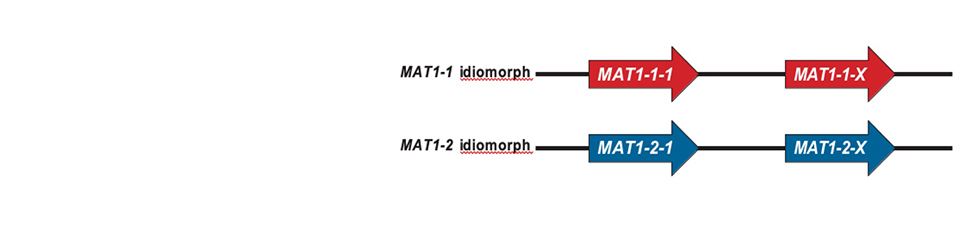
Coelho MA, David-Palma M, Marincowitz S, Aylward J, Pham NQ, Yurkov AM, Wingfield BD, Wingfield MJ, Sheng S, Heitman J. (2025) The complex evolution and genomic dynamics of mating-type loci in Cryptococcus and Kwoniella. PLoS Biology 23:e3003417. 10.1371/journal.pbio.3003417
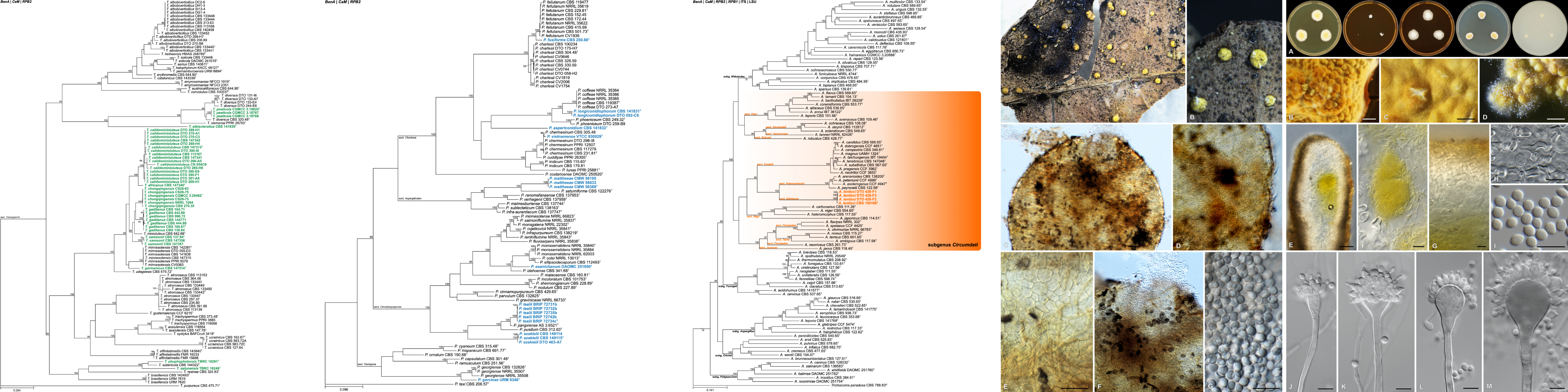
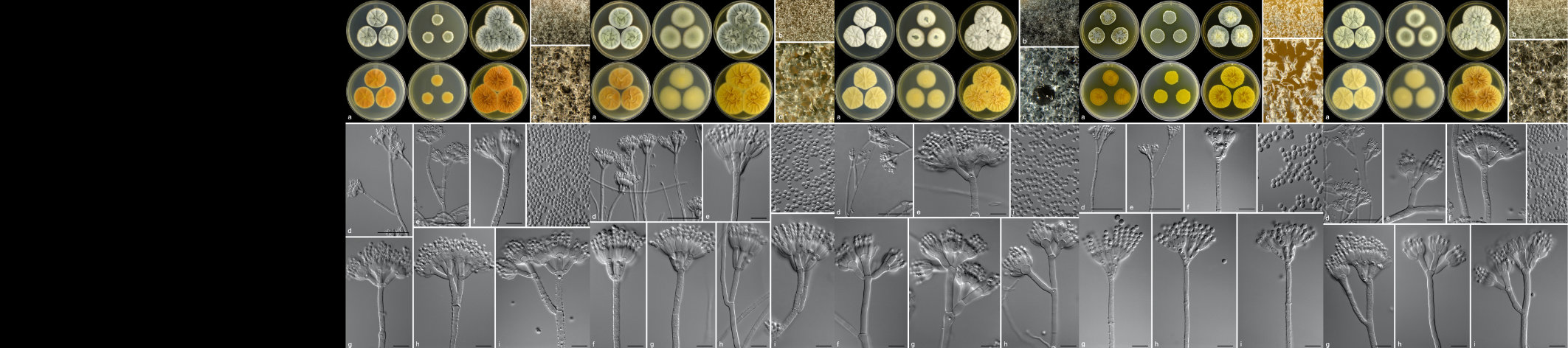
Visagie CM, Houbraken J, Overy DP, Sklenář F, Bensch K, Frisvad JC, Mack J, Perrone G, Samson RA, van Vuuren NI, Yilmaz N, Hubka V. (2025) From chaos to tranquillity: a modern approach to the identification, nomenclature and phylogeny of Aspergillus, Penicillium and other Eurotiales, including an updated accepted species list. Studies in Mycology 112:117–260. 10.3114/sim.2025.112.04
Vincent C, Singh A, Michalczyk GZ, Lane SL, Kaur R, Gill AR, Dziedzic N, De Silva K, Cho A, Cardoso AA, Alade DO, Tejera-Nieves M, Sharkey TD, Schmiege SC, Pelech E, Locke AM, Leisner CP, Teshome DT. (2025) Importance of measuring and reporting environmental conditions across plant science subdisciplines. Plant Physiology 199(2) 10.1093/plphys/kiaf405
Maake MM, Beukes CW, van der Nest MA, Avontuur JR, Muema EK, Stepkowski T, Venter SN, Steenkamp ET. (2025) Argyrolobium legumes from an African centre of endemism associate with novel Bradyrhizobium species harbouring unique sets of symbiosis genes. Molecular Phylogenetics and Evolution 214:108471. 10.1016/j.ympev.2025.108471
Joubert M, van den Berg N, Theron J, Swart V. (2025) Small RNAs derived from avocado sunblotch viroid and their association with bleaching symptoms: implications for pathogenesis in avocado sunblotch disease. Archives of Virology 170(10):205. 10.1007/s00705-025-06360-z PDF
Mavima L, Steenkamp ET, Beukes CW, Palmer M, De Meyer SE, James EK, Venter SN, Coetzee MPA. (2025) Estimated timeline for the evolution of symbiotic nitrogen fixing Paraburkholderia. Molecular Phylogenetics and Evolution 213:108447. 10.1016/j.ympev.2025.108447
Prabhu AS, Naicker P, Duong TA, Govender IS, Engelbrecht J, Backer R, Stoychev SH, van den Berg N. (2025) Phosphite inhibits Phytophthora cinnamomi by downregulating oxidoreductases and disrupting energy metabolism. Frontiers in Microbiology 16:1632726. 10.3389/fmicb.2025.1632726
Pham NQ, Liu FF, Duong TA, Wingfield BD, Chen SF, Wingfield MJ. (2025) Genetic diversity of Calonectria reteaudii isolates from infected Eucalyptus leaves and associated soils indicates a phyllosphere origin of the pathogen. Forest Pathology 55:e70037. 10.1111/efp.70037
Schröder ML, Hurley BP, Wingfield MJ, Slippers B, Garnas JR. (2025) Thermal limitations to the biological control of Gonipterus sp. n. 2 (Coleoptera: Curculionidae) in South African Eucalyptus plantations. Agricultural and Forest Entomology 10.1111/afe.70002
Lynn KMT, Wingfield MJ, Tarigan M, Durán A, Santos SA, Nel WJ, Barnes I. (2025) Investigating bark, ambrosia and nitidulid beetle (Coleoptera: Scolytinae and Nitidulidae) communities and their potential role in the movement of Ceratocystis manginecans in commercial forestry plantations in Riau, Indonesia. Agricultural and Forest Entomology 10.1111/afe.12698
Solís M, Hammerbacher A, Wingfield MJ, Naidoo S. (2025) Transcriptional responses of Eucalyptus to infection by an aggressive leaf blight pathogen reveal the role of host secondary metabolites during pathogen germination. Plant Molecular Biology 115 10.1007/s11103-025-01625-2
Coertze S, Coetzee B, Basson E, de Villiers D, Makhura T, Moster D, Slippers B, Rose LJ, Visagie CM, Read D. (2025) First Report of Clavibacter nebraskensis Causing Goss’s Bacterial Leaf Blight on Maize (Zea mays) in South Africa. Plant Disease 109:1580. 10.1094/PDIS-01-25-0164-PDN
Overy DP, Frisvad JC, Witte TE, Hicks CL, Hermans A, Sproule A, Louis-Seize G, Seifert KA, Yilmaz N, Price J, van Vuuren NI, Visagie CM. (2025) Chemodiversity of Penicillium isolated from alpine and arctic environments, including ten new species. Studies in Mycology 112:75–116. 10.3114/sim.2025.112.03
Mailula DM, Wingfiled BD, Van Der Nest MA, Hammerbacher A. (2025) Production of fusel alcohols and fusel acetates by pathogenic fungi in the Ceratocystidaceae. Fungal Ecology 76:101427. 10.1016/j.funeco.2025.101427
Seale T, Brözel VS, Potgieter SC, Rupp O, Blom J, Steenkamp ET, Venter SN. (2025) Diversity of Environmental Escherichia coli in Subtropical Freshwater Systems of South Africa. Current Microbiology 82:414. 10.1007/s00284-025-04402-y
Harris MA, Kemler M, Slippers B, Hassel N, Tsamba J, Arthan W, Kellogg EA, AuBuchon-Elder T, Vorontsova MS, Archibald S, Hempson GP, Lehmann CER, Besnard G, Bergerow D, Brachmann A, Solofondranohatra CL, Greve M. (2025) Productivity drives leaf mycobiome diversity patterns at global and continetal scales. Global Ecology and Biogeography 34:e70094. 10.1111/geb.70094
Gao M, Yan Z, Liu Z, Jiang Y, Liu T, Miao X, Dai M, Bose T, Chang R. (2025) A novel Arthrobotrys species: Taxonomic characterization, nematicidal activity, and multi-omics insights into nematode predation. Biological Control 208:105853. 10.1016/j.biocontrol.2025.105853
Esterhuizen HJ, Slippers B, Bosman AS, Roux J, Jones W, Bose T, Hammerbacher A. (2025) Early detection of Phytophthora root rot in Eucalyptus using hyperspectral reflectance and machine learning. Computers and Electronics in Agriculture 237:110761. 10.1016/j.compag.2025.110761
Pham NQ, Wingfield BD, Marincowitz S, Brawner JT, Hulcr J, Wingfield MJ. (2025) Cryphonectria canker on Eucalyptus in Florida reconsidered. Forest Pathology 55:e70031. 10.1111/efp.70031
Crous PW, Catcheside DEA, Catcheside PS, Alfenas AC, Alfenas RF, Barreto RW, Lebel T, Balashov S, Broadbridge J, Jurjević Å, De la Peña-Lastra S, Hoffmann R, Mateos A, Riebesehl J, Shivas RG, Soliz Santander FF, Tan YP, Altés A, Bandini D, Carriconde F, Cazabonne J, Czachura P, Gryta H, Eyssartier G, Larsson E, Pereira OL, Rigueiro-Rodríguez A, Wingfield MJ, Ahmad W, Bibi S, Denman S, Esteve-Raventós F, Hussain S, Illescas T, Luangsa-ard JJ, Möller L, Mombert A, Noisripoom W, Olariaga I, Pancorbo F, Paz A, PiÄ…tek M, Polman-Short C, Suárez E, Afshan NS, Ali H, Arzanlou M, Ayer F, Barratt J, Bellanger J, Bidaud A, Bishop-Hurley SL, Bohm M, Bose T, Campo E, Chau NB, Çolak ÃF, Cordeiro TRL, Cruz MO, Custódio FA, Couceiro A, Darmostuk V, Dearnaley JDW, De Azevedo Santiago ALCM, De Freitas LWS, Yáñez-Morales MDJ, Domnauer C, Dentinger B, Dhileepan K, De Souza JT, Dovana F, Eberhardt U, Eisvand P, Erhard A, Fachada V, García-Martín A, Groenewald M, Hammerbacher A, Harms K, Haroon S, Haqnawaz M, Henriques S, Hernández AJ, Jacobus LM, Jaen-Contreras D, Jangsantear P, Kaygusuz O, Knoppersen R, Kumar TKA, Lynch MJ, Mahiques R, Maraia GL, Marbach PAS, Mehrabi-Koushki M, Miller PR, Mongkolsamrit S, Moreau P, Oberlies NH, Oliveira JA, Orlovich D, Pérez-Méndez AS, Pinto A, Raja HA, Ramírez GH, Raphael B, Rodrigues A, Rodrigues H, Ramos DO, Safi A, Sarwar S, Saar I, Sánchez RM, Santana JS, Scrace J, Sales LS, Silva LNP, Stryjak-Bogacka M, Tacconi A, Thanh VN, Thomas A, Thuy NT, Toome M, Valdez-Carrazco JM, Van Vuuren NI, Vasey J, Vauras J, Vila-Viçosa C, Villarreal M, Visagie CM, Vizzini A, Whiteside EJ, Groenewald JZ. (2025) Fungal Planet description sheets: 1781–1866. Persoonia 54:327–587. 10.3114/persoonia.2025.54.10
Nzuza P, Schröder ML, Heim RJ, Daniels L, Slippers B, Hurley BP, Germishuizen I, Sivparsad B, Roux J, Maes WH. (2025) Assessing Gonipterus defoliation levels using multispectral unmanned aerial vehicle (UAV) data in Eucalyptus plantations. Ecological Informatics 90:103301. 10.1016/j.ecoinf.2025.103301