










FABI News

FABI Events

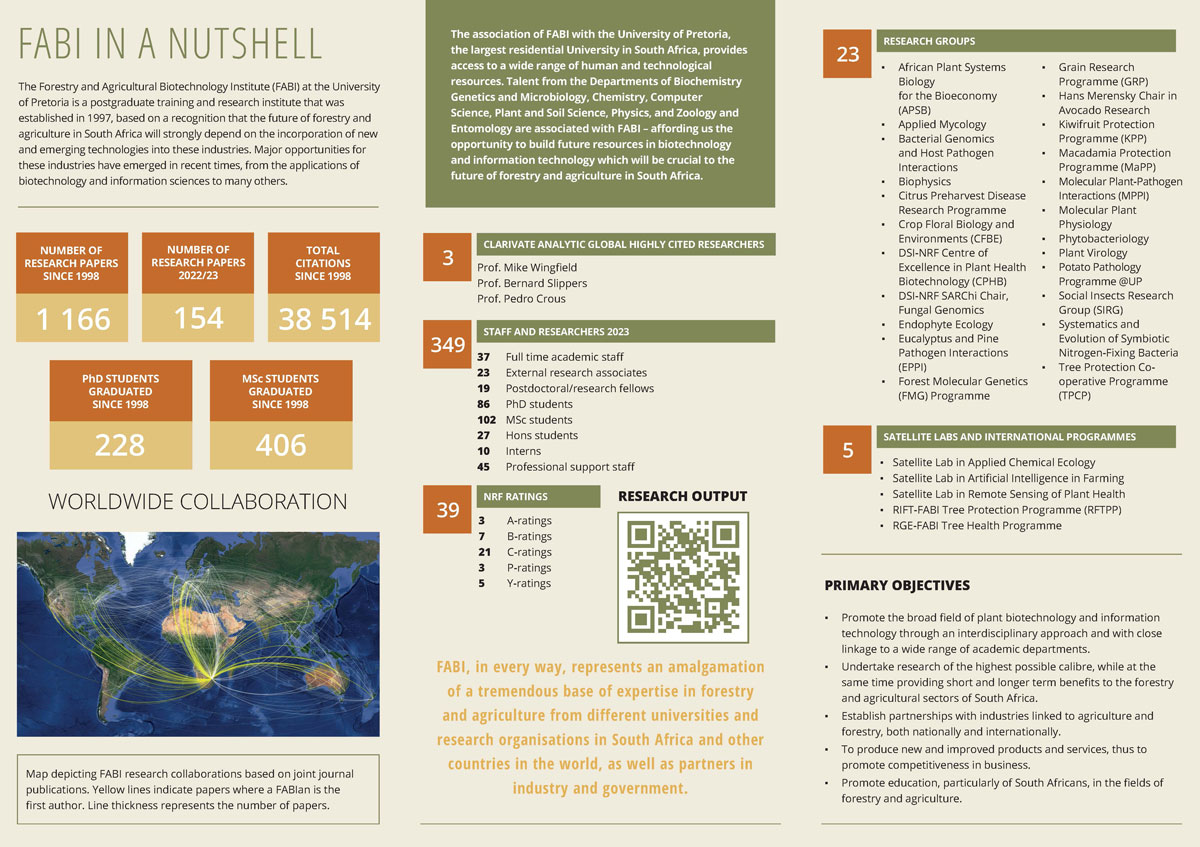
FABI in a nutshell

Research Features

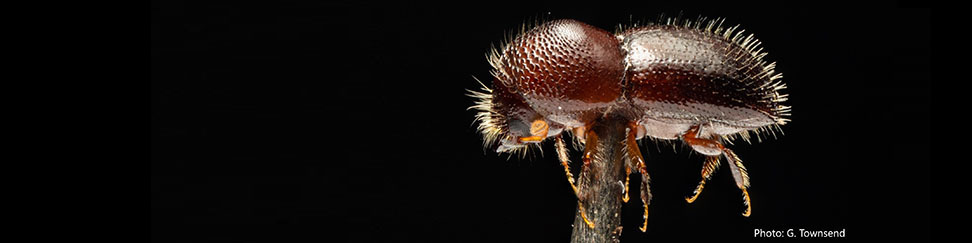
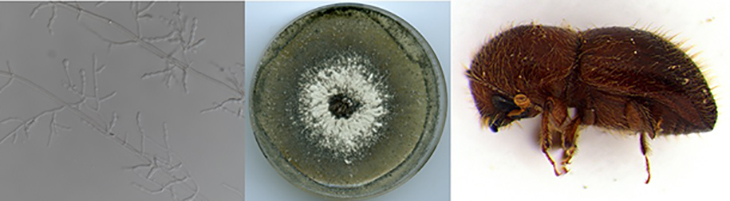
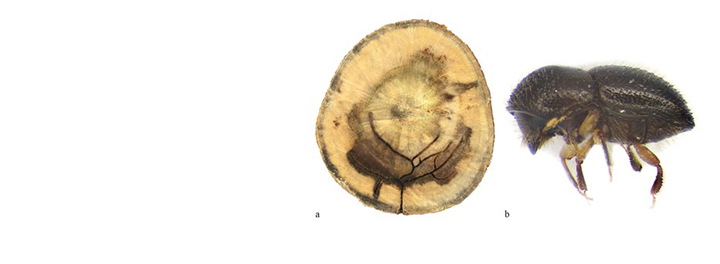
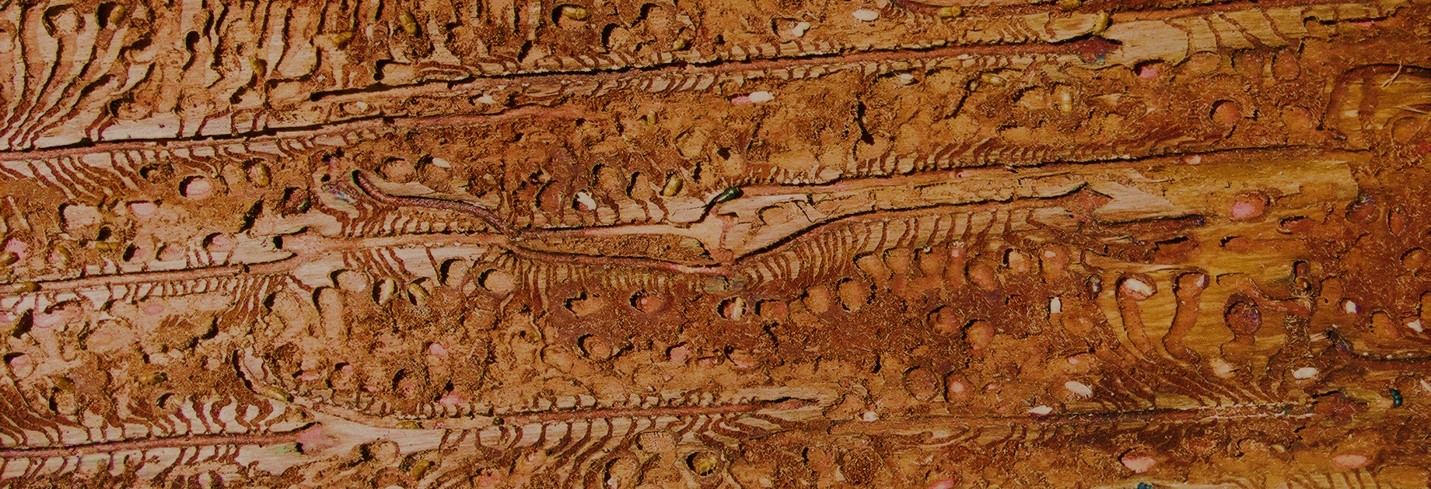
Three bark beetles, Orthotomicus erosus, Hylurgus ligniperda and Hylastes angustatus are known to infest pines in South Africa. All three insects carry pathogenic fungi, most of which belong to the genera Ophiostoma and Leptographium. These pathogenic fungi are transmitted to any wood infested by the beetles. All three pine bark beetles colonise stressed trees. The fungi associated with these insects are thought to be important in the development and reproduction of the insects.

Some common fungi infect tree roots but do not cause sufficient damage to result in tree death. Roots can, however, become infested with insects such as Hylurgus ligniperda and Hylastes angustatus which, together with their pathogenic fungal associates, contribute to tree death. These diseases are complex and require a sequence of events before trees are killed. Orthotomicus erosus infests stressed or dying trees. Ophiostoma spp. and particularly O. ips which they carry, appears to play an important part in the establishment of the insects in trees. In some cases the insects may also attempt to penetrate slightly stressed trees.

Insects can also stress trees, making them susceptible to infections by opportunistic fungi such as Diplodia pinea (Wingfield and Knox-Davies 1980). Where the black pine aphid, Cinara cronarti, has stressed trees, these can be infected and killed by D. pinea. Diplodia pinea can infect wounds as well as healthy pine tissue. Some insects such as the pine weevil Pissodes nemorensis feed on tree tops and provide wounds for D. pinea infection and disease development.

New Publications

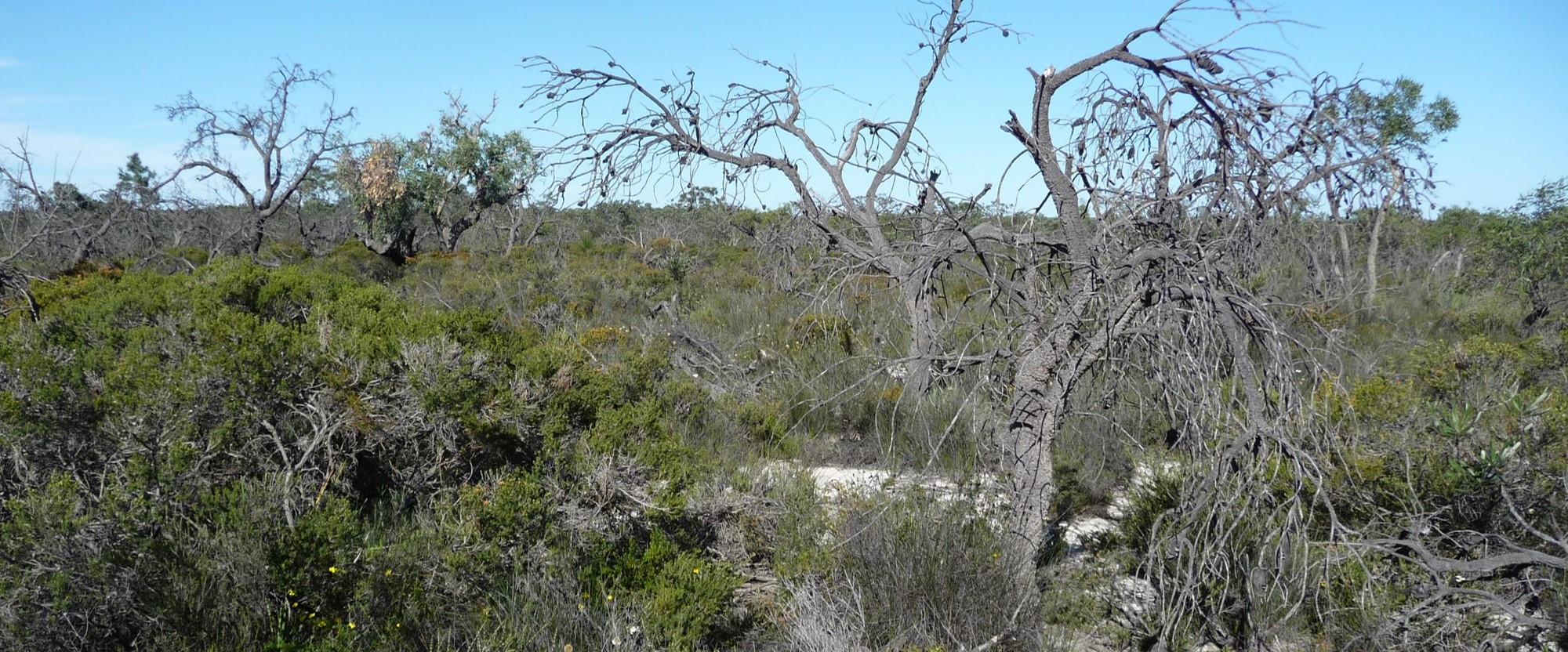
Balocchi F, Wingfield MJ, Paap T. (2026) Occurrence of Phytophthora cinnamomi in the rhizosphere of declining Leucadendron elimense subsp. salteri in South Africa. Forest Pathology 56(4):e70097. 10.1111/efp.70097 PDF
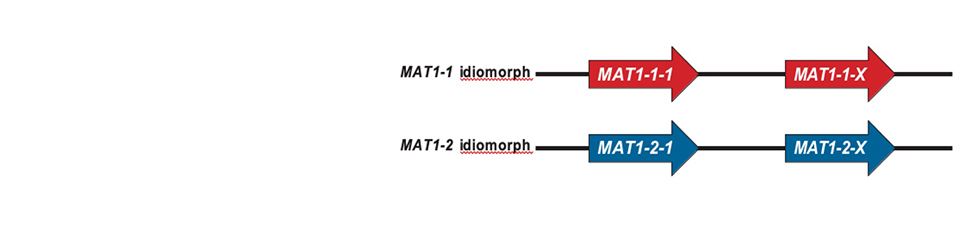
Pham NQ, Wingfield BD, Marincowitz S, Marpaung YMAN, Selebi AP, Tarigan M, Wingfield MJ. (2026) A novel Cryphonectria species (Cryphonectriaceae, Diaporthales) discovered on Eucalyptus, including insights into the mating biology of the genus. Fungal Biology 130:101831. 10.1016/j.funbio.2026.101831
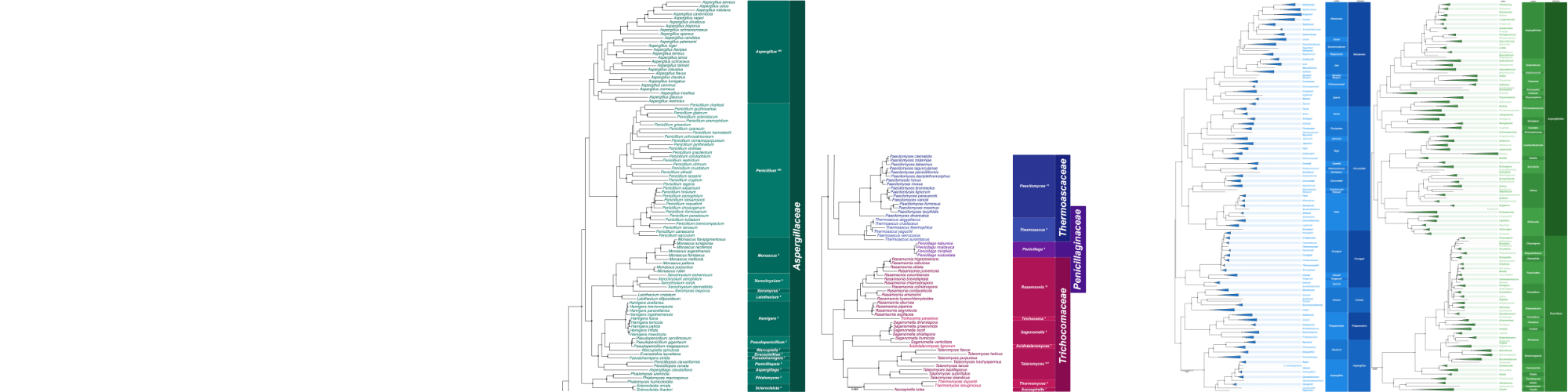
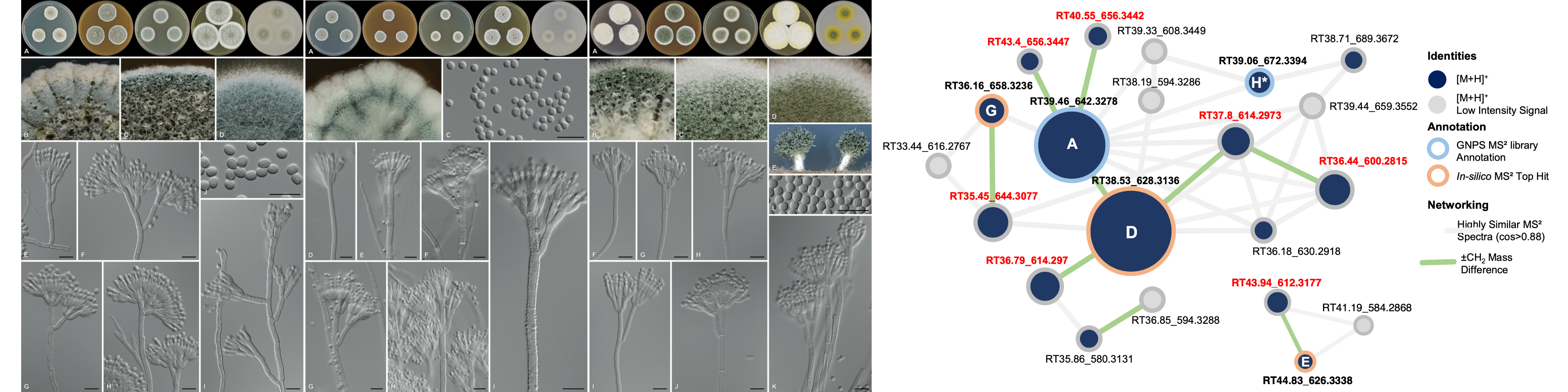
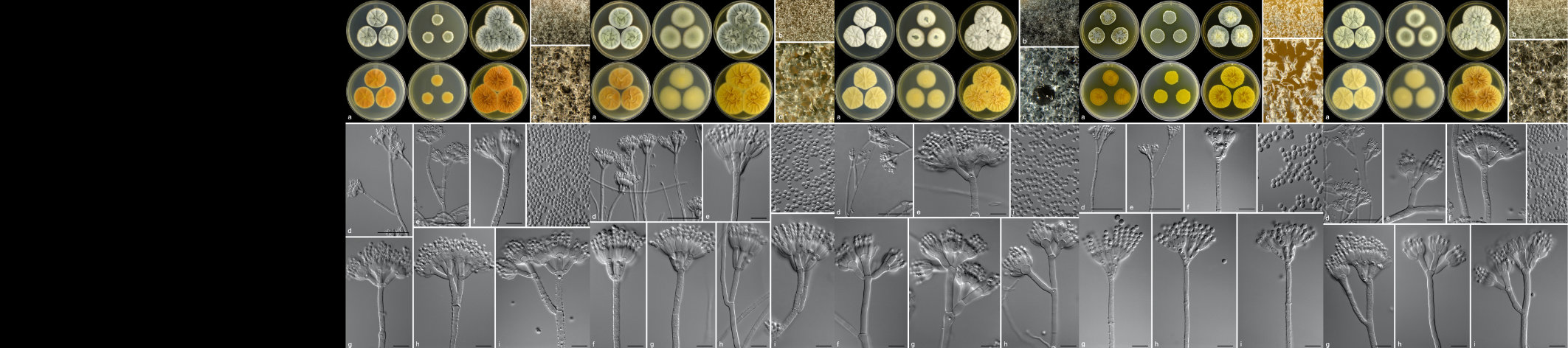
Kim JS, Lee W, Seo CW, Lee JW, Perera RH, Rho SM, Visagie CM, Houbraken J, Lim YW. (2026) A comprehensive assessment of Penicillium diversity in marine environments. Studies in Mycology 115:1–57. 10.3114/sim.2026.115.01
Jami F, Truter M, Pavlic M, Chen SF, Roux J. (2026) Identification of Botryosphaeriaceae species in the South African National Collection of fungi, including a novel species of Oblongocollomyces. African Biodiversity & Conservation 56(1):1-13. PDF
Vettraino AM, Bose T. (2026) Urban green spaces as emerging hotspots for Phytophthora diversity: a global synthesis of host associations, distribution and management gaps. Frontiers in Forests and Global Change 9:1872981. 10.3389/ffgc.2026.1872981
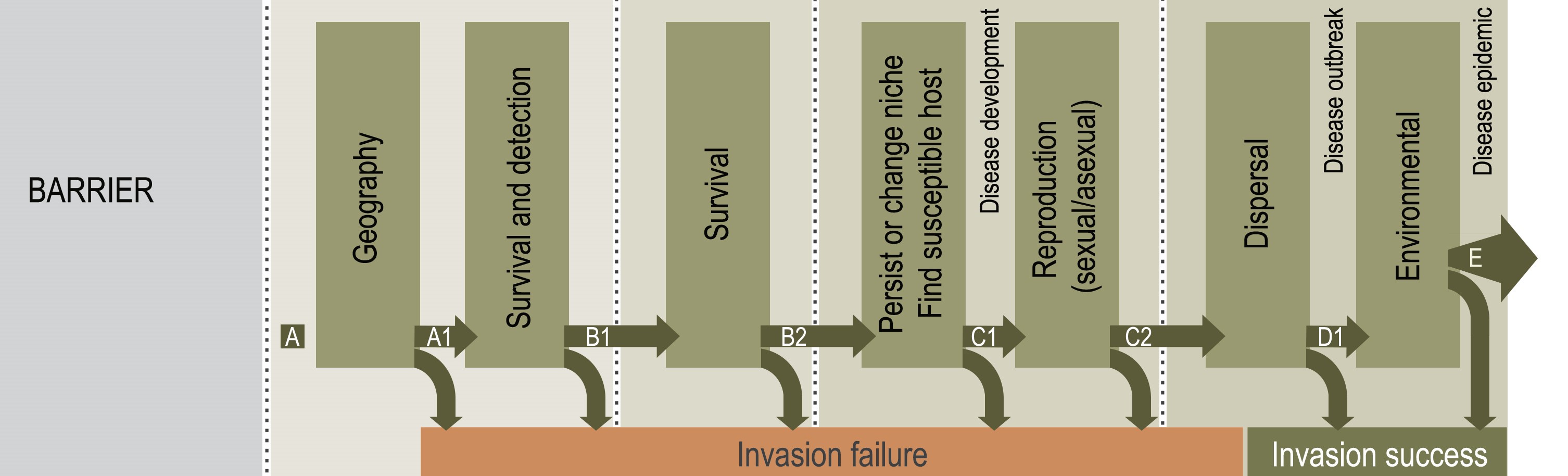
Burgess TI, Wingfield MJ. (2026) Unveiling a hidden menace: Invasive tree pathogens, less known but increasingly threatening Southern hemisphere forests. Annual Review of Phytopathology 64 10.1146/annurev-phyto-011325-100959
Motete T, Solís M, Hammerbacher A, Naidoo S. (2026) Gene expression profiling in Eucalyptus associates Phenylpropanoid resistance to Teratosphaeria destructans. Plant Pathology 10.1111/ppa.70207
Aylward J, Atkins S, Roets F, Danti R, Della Rocca G, Emiliani G, Fraser S, Garbelotto MM, Herron DA, Scali E, Wingfield BD, Wingfield MJ. (2026) High genetic diversity in the Cypress canker pathogen Seiridium cardinale in the Southern Hemisphere. Plant Pathology 75 10.1111/ppa.70212
van Heerden A, Pham NQ, Duong TA, Wingfield MJ, Wingfield BD. (2026) Draft genome sequence of Ganoderma philippii, a serious root rot pathogen of Eucalyptus in Southeast Asia. Australasian Plant Pathology 55:81. 10.1007/s13313-026-01159-1
Schoeman C, Roodt D, Mc Menamin A, Bezuidt O, Dithugoe C, Pinard D, Mizrachi E. (2026) Conserved symbiosis-associated genes in the cycad Encephalartos natalensis suggest co-option for cyanobacterial symbiosis. New Phytologist 10.1111/nph.71311