









FABI News

FABI Events

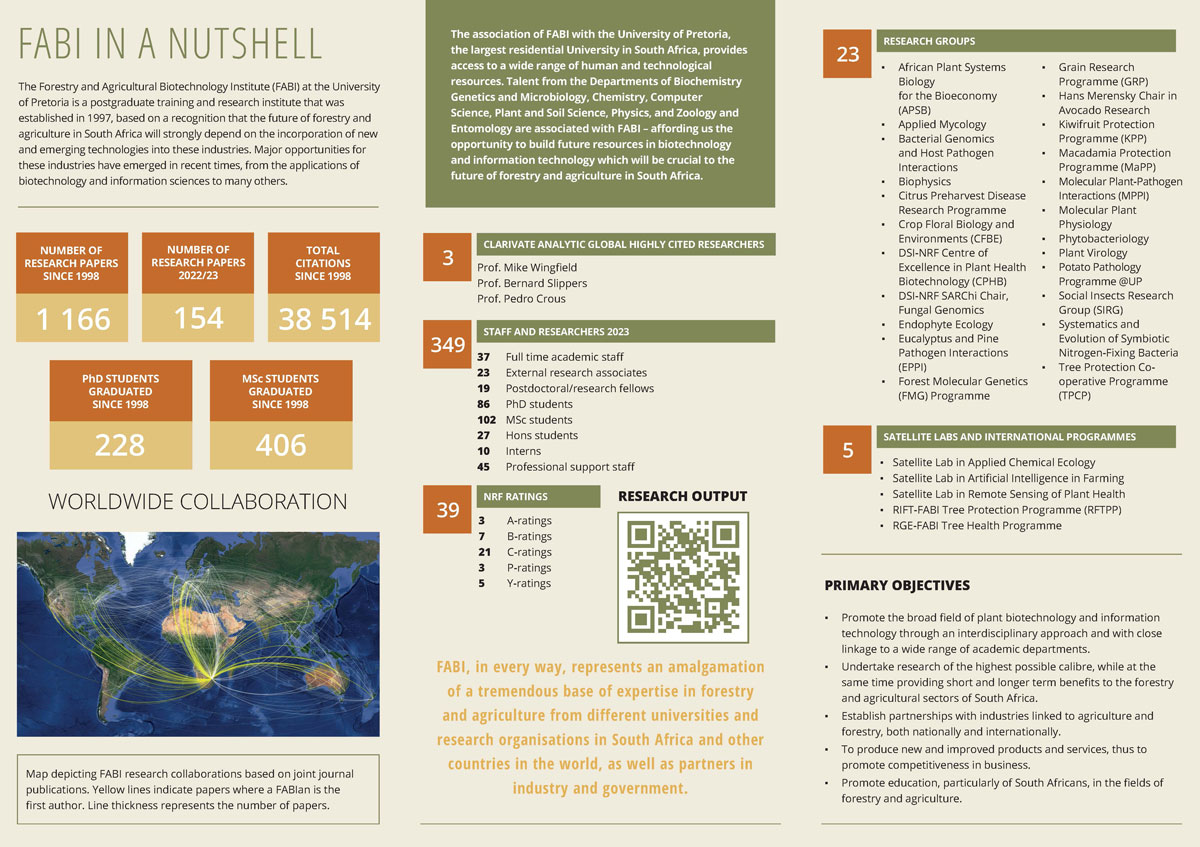
FABI in a nutshell

Research Features

People's Republic of China, Former Minister of Education, Madam ZiLi Chen's visit to FABI.

Forestry represents one of the most important industrial sectors in South Africa (SA) and in the People's Republic of China (PRC). In South Africa, the Forestry Industry is based on commercially managed plantations of non-native tree species such as those of Pine, Eucalypts and Acacias. These plantations cover in excess of 1.5 million hectares and industry is one of the most important sources of export capital and employment. In contrast, Forestry in China is mainly concerned with the management of natural forest. Here, forests cover 18.2% of the total land area, with more than 170 million hectares of forest. Of this, 69% is regarded as natural forest, and 31% is represented by plantations.

Native forest ecosystems in China have been strictly protected from logging since 2000. For this reason Eucalypt plantations have been established to meet the needs of the rapidly growing national economy. At the present time, in excess of 1.7 million hectares of Eucalypt trees have been planted in South China, especially in the provinces of GuangXi, GuangDong, HaiNan, FuJian, and Yunnan. Moreover, the company Asian Paper and Pulping (APP) has established one of the first pulp mills supplying approximately 1 million tons of pulp P/A in the HaiNan province. Two additional pulp mills with similar production capacity are in the process of being constructed in GuangDong and GuangXi and these should come on line in 2007. There is no doubt that there will be a substantial increase in Eucalyptus planting in China to meet the growing paper and pulp needs of the future.

New Publications

Balocchi F, Wingfield MJ, Paap T. (2026) Occurrence of Phytophthora cinnamomi in the rhizosphere of declining Leucadendron elimense subsp. salteri in South Africa. Forest Pathology 56(4):e70097. 10.1111/efp.70097 PDF
Pham NQ, Wingfield BD, Marincowitz S, Marpaung YMAN, Selebi AP, Tarigan M, Wingfield MJ. (2026) A novel Cryphonectria species (Cryphonectriaceae, Diaporthales) discovered on Eucalyptus, including insights into the mating biology of the genus. Fungal Biology 130:101831. 10.1016/j.funbio.2026.101831
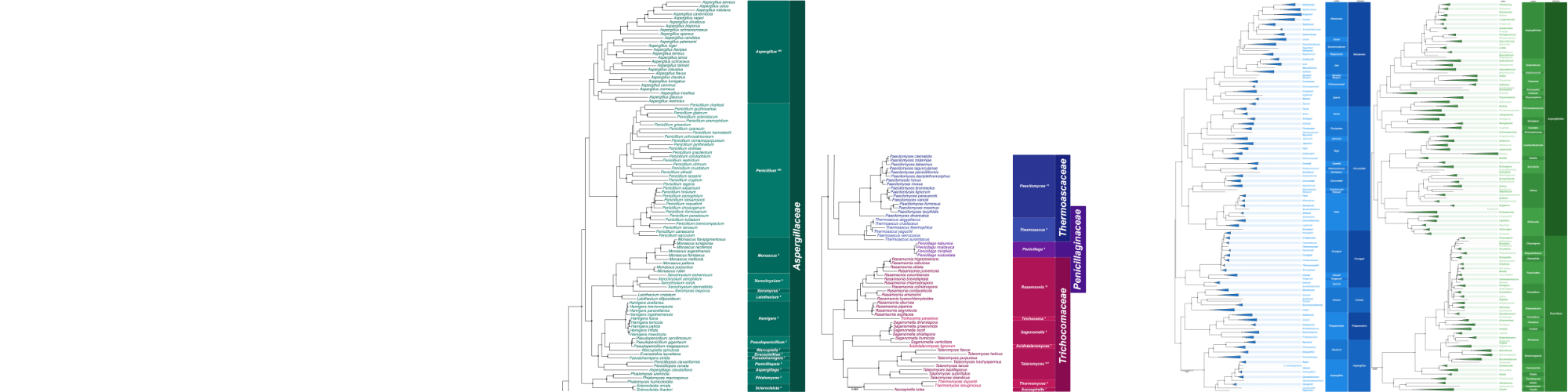
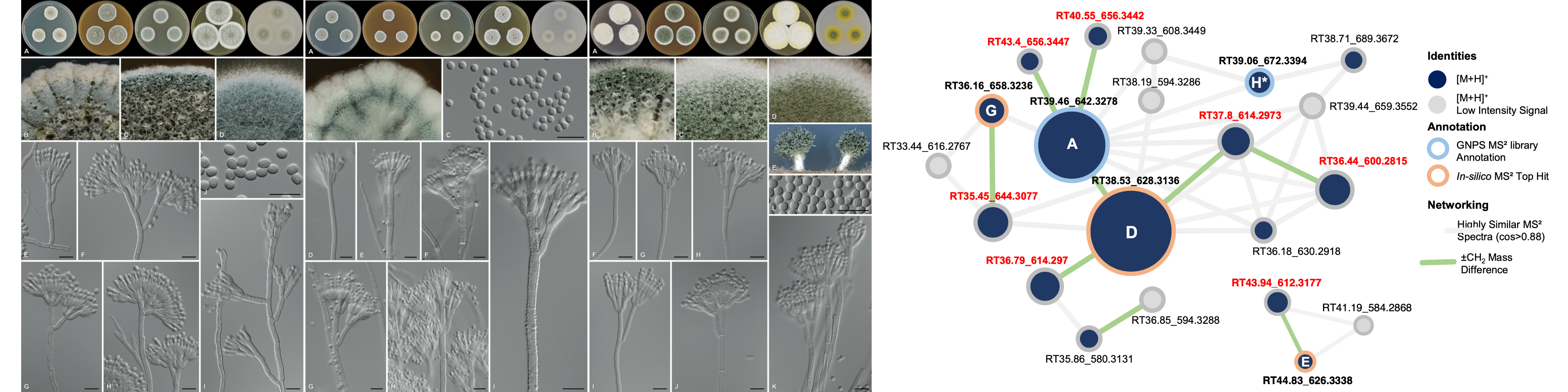
Kim JS, Lee W, Seo CW, Lee JW, Perera RH, Rho SM, Visagie CM, Houbraken J, Lim YW. (2026) A comprehensive assessment of Penicillium diversity in marine environments. Studies in Mycology 115:1–57. 10.3114/sim.2026.115.01
Jami F, Truter M, Pavlic M, Chen SF, Roux J. (2026) Identification of Botryosphaeriaceae species in the South African National Collection of fungi, including a novel species of Oblongocollomyces. African Biodiversity & Conservation 56(1):1-13. PDF
Vettraino AM, Bose T. (2026) Urban green spaces as emerging hotspots for Phytophthora diversity: a global synthesis of host associations, distribution and management gaps. Frontiers in Forests and Global Change 9:1872981. 10.3389/ffgc.2026.1872981
Burgess TI, Wingfield MJ. (2026) Unveiling a hidden menace: Invasive tree pathogens, less known but increasingly threatening Southern hemisphere forests. Annual Review of Phytopathology 64 10.1146/annurev-phyto-011325-100959
Motete T, Solís M, Hammerbacher A, Naidoo S. (2026) Gene expression profiling in Eucalyptus associates Phenylpropanoid resistance to Teratosphaeria destructans. Plant Pathology 10.1111/ppa.70207
Aylward J, Atkins S, Roets F, Danti R, Della Rocca G, Emiliani G, Fraser S, Garbelotto MM, Herron DA, Scali E, Wingfield BD, Wingfield MJ. (2026) High genetic diversity in the Cypress canker pathogen Seiridium cardinale in the Southern Hemisphere. Plant Pathology 75 10.1111/ppa.70212
van Heerden A, Pham NQ, Duong TA, Wingfield MJ, Wingfield BD. (2026) Draft genome sequence of Ganoderma philippii, a serious root rot pathogen of Eucalyptus in Southeast Asia. Australasian Plant Pathology 55:81. 10.1007/s13313-026-01159-1
Schoeman C, Roodt D, Mc Menamin A, Bezuidt O, Dithugoe C, Pinard D, Mizrachi E. (2026) Conserved symbiosis-associated genes in the cycad Encephalartos natalensis suggest co-option for cyanobacterial symbiosis. New Phytologist 10.1111/nph.71311