




Pollination is a fundamental process in plant biology describing the transfer of pollen from the male to female parts of the plant. In out-crossing plant species this pollen transfer is difficult, often requiring the movement of pollen between plants sometimes across great distances. Plants have evolved a large array of different strategies to overcome these physical barriers using either abiotic or biotic mechanisms such as wind, rain or insects to mobilize pollen. Many of these pollination strategies are affected by external environmental conditions such as seasonal changes and fluctuations in ambient temperature. A second dilemma faced by out-crossing plants is how to limit self-pollination; very often this is achieved by offsetting the maturation timing of the male and female floral organs. Currently there is little information on how plants regulate the timing of floral organ maturation or on how plants perceive changes in the environment and what implications climate change may have on these precisely timed mechanisms or pollination strategies.
The Crop Floral Biology team aims to combine molecular techniques with detailed physiological measurements and time-lapse photography to investigate how changing environments affect plant and flower development, flower physiology, flower health and pollinator visits. We follow these flowers from bud opening to seed development to assess the impact of these weather conditions on plant reproduction and potentially crop yield.
Research Projects
We currently have three big collaborative interdisciplinary projects we are working on in collaboration with UFS, ARC and the Department of Geography at UP:
1. The effects of a changing environment and late-planting dates on maize plant development and yield in South Africa
- Funded by Maize Trust and DSI through the GrainSA cooperation
2. The impact of heat stress on floral organ development at the physiological and molecular level during anthesis in domesticated sunflower
- Funded by NRF-Thuthuka
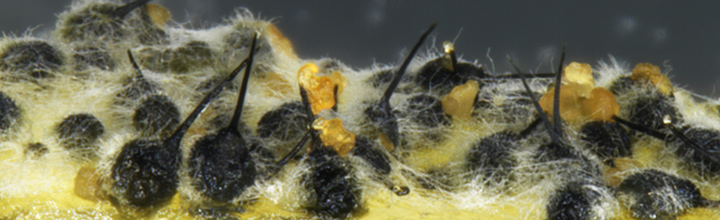
3. Assessing the effect of planting date and environment on sunflower development, Sclerotinia head rot and yield
- Funded by OAC/OPDT
Heritage Day Group Project 2023
To celebrate the diversity and heritages of our team, some of our members have written paragraphs about their research in their home languages. This is an effort to share our research with the wider communities we work within.
“If you talk to a man in a language he understands, that goes to his head. If you talk to him in his own language, that goes to his heart.”- Nelson Mandela
We hope you to will fall in love with our research!
Phrasia Mapfumo (PhD Student)
Shona
Sclerotinia head rot inokonzereswa ne Sclerotinia sclerotiorum chirwere chihombe chechirimwa chesunflower chinotadzisa kurimwa kwechirimwa ichi munzvimbo dzinopisa nedzepasi rose tenderere. South Africa yakabatwa zvakanyanya nechirwere ichi mumakore achangopfuura, neparizvino, asi zvishoma zvinozivikanwa maererano nekukonzeresa kunoita mamiriro ekunze pachirwere ichi. MuSouth Africa, zuva rekudyara uye nzira dzekudziwirira nadzo chirwere ichi dzinogona kusiyana zvakanyanya, zvichiwedzera kusanzwisisa kupararira kana kuenderera kwehutachiona uhwu. Izvi, pamwe chete nepesvedzero yezera yechirimwa pamwe chete nekukonzeresa kunoita mamiriro ekunze pakupararira kwechirwere ichi, zvinoita kuti kufungidzira kwenguva inopararira chirwere ichi itadze kunzwisisika. Imwe nzira yekudziwirira chirwere ichi inogona kuwa yekuparadzanisa mazuva ekudyara chirimwa izvo zvinodziwirira kusangana kwezera rakanaka rinoita kuti chirimwa chitapurire chirwere pamwe chete ne mamiriro ekunze anokurudzira kuwanda kwechirwere. Chinangwa chechidzidzo chino ndechekuongorora pesvedzero yezuva rekudyara uye shanduko yemamiriro ekunze mukupararira kwehutachiona hwekuora kwemisoro yesunflower (Sclerotinia head rot). Izvi zvakaitwa nekuisa utachiona hwechiwere ichi pamisoro yesunflower pazvirimwa zvakadyarwa mumunda pamazuva akaparadzana. Kupararira nekuwanda kwehutachiona hwe Sclerotinia head rot kwakaongororwa mumazuva ekudyara akasiyana siyana. Ongororo yedu yakaratidza kuti zuva rekudyara rine honzero yakasimba pakupararira kwechirwere chekuora chemasunflower, nemazuva chaiwo ekudyara (semuenzaniso, Ndira) zvichipa kupindirana pakati pemamiriro ekunze anokonzeresa kutanga kwechirwere uye nezera rekukura kwechirimwa. Mukuenzanisa, kutonhora kwehusiku kuri kwepasi kwetembirecha ye8.8 °C kunodziwirira kutanga kwechirwere ichi uye kuparira kwacho (mazuva aKukadzi naKurume ekudyara), nepo tembiricha yemasikati inopfuura 27.5 °C yakadzvanyirira kufambira mberi kwechirwere uye kukurudzira kupora kwezvirimwa zvinorwara (musi wekudyara waNovember). Zvakawanikwa izvi zvinoratidza kuti mazuva ekudyara akaparadzana anogona kushandiswa senzira inoshanda mukudziwirira chirwere nekuita kuti kubuda kwemaruwa kusasangana nenguva yekutonhora nemvura izvo zvinoita kuti kuwe nekurasikirwa mugohwo nekuda kwekuora kwemisoro yema sunflower.
English Translation
Sclerotinia head rot caused by Sclerotinia sclerotiorum is a major sunflower disease that limits sunflower production in tropical and subtropical agroecological zones. South Africa has been significantly affected by this disease in recent years, currently, yet little is known regarding the influence of the local climate on this infection. In South Africa, planting date and disease management practices can vary widely, adding more complexity to the infection process. These, together with the influence of the host’s developmental stage and other environmental factors on infection, make prediction of outbreaks difficult. One avenue of control could be staggered planting dates that may limit the overlap between susceptible developmental stages and appropriate environmental conditions for disease establishment. This study aimed to explore the influence of planting date and its associated environmental changes on Sclerotinia head rot progression and severity. This was done by artificial inoculation of the pathogen onto sunflower heads on plants that were planted in an open field with staggered planting dates. The progression and severity of Sclerotinia head rot was monitored across the different planting dates. The results showed that planting date had a significant effect on the progression of Sclerotinia head rot, with specific planting dates (e.g., January) providing an overlap between environmental conditions conducive to disease establishment and the presence of susceptible growth stage(s). In comparison, cool night temperatures below 8.8 °C limited disease establishment or progression (February and March planting dates), while maximum day temperatures above 27.5 °C suppressed disease progression and promoted recovery of diseased plants (November planting date). These findings show that staggered planting dates could be used as an effective management tool by ensuring that flowering coincides with warmer weather, which in turn will limit losses due to Sclerotinia head rot.
Nomfundo Shinga (PhD Student)
Zulu
I-Sclerotinia head rot (SHR) yisifo esibi esidala ukulahleka kwesivuno kubhekilanga waseNingizimu Afrika nakwezinye izindawo ezikhiqiza ubhekilanga emhlabeni jikelele. Lesisifo sigqama kakhulu lapho ukuqhakaza kuhambisana nezimo ezipholile nezimanzi. Okwamanje ayikho indlela yokulawula ukuqondana kokuqhakaza nezimo ezivumayo ukunciphisa noma ukubalekela ukutheleleka kwalesisifo. Ukusetshenziswa kwezilawuli zezitshalo kungashintsha ukukhula kanye nesikhathi sokuqhakaza kwezitshalo. Ngakho-ke, inhloso yalolu cwaningo ukuphenya ukuthi kungenzeka yini ukusebenzisa izilawuli zokukhula kwezitshalo (PGRs) ukuze kushintshwe ukuqhakaza kukabhekilanga njengesu lokubalekela i-SHR. Izinjongo ukuthola imiphumela yezilawuli zezitshalo (PGR) (i) ekukhuleni nasekuthuthukeni kwe-Sclerotinia Sclerotiorum, (ii) esikhathini sokuqhakaza nesivuno kanye (iii) nokuxhumana kwabhekilanga ne S. Sclerotiorum. Izilawuli zokukhula kwezitshalo zizoba nomthelela ekuhlumeni nasekuthuthukisweni kwe-S. Sclerotiorum okuzosiza ekuhlonzeni i-PGR efanelekile yokulawula nokuphathwa kwalesisifo. Isikhathi sokuqhakaza kanye nesivuno kuzohluka phakathi kwama-PGR, iskalo sawo kanye nesikhathi sokufaka izilawuli zokukhula. Ama-PGR azonciphisa noma athuthukise ukumelana kwezitshalo ne-SHR. Imiphumela yalolu cwaningo izofaka isandla ekuthuthukisweni kwamasu okulawula lesisifo.
English Translation
Sclerotinia head rot (SHR) is a devastating disease that cause significant yield losses in South African sunflower and other sunflower producing regions worldwide. The disease is more prominent when flowering coincide with cool and wet conditions. Currently there is no option for controlling development to match flowering with favourable conditions to minimize or escape the infection. Exogenous application of plant hormones can alter development and the time to flowering in plants. Therefore, the aim of this study is to investigate the feasibility of using plant growth regulators (PGRs) to manipulate flowering in sunflowers as an escape strategy from SHR. The objectives are to determine the effects of PGRs on (i) Sclerotinia Sclerotiorum growth and development, (ii) flowering time and yield and (iii) sunflower-S. Sclerotiorum interaction. Plant growth regulators will influence germination and development of S. Sclerotiorum which will assist in identifying suitable PGR for the control and management of the disease. Flowering time and yield response will vary among PGRs, their concentrations and time of application. PGRs will either reduce or enhance plant resistance against SHR. The results from this study will contribute to the development of an effective management strategy.
Ofentse Mathibela (PhD Student)
Setswana
Maemo a bosa a lefatshe a tlile go tlhatlhoga ka 1.5°C-2°C, seo se tlile go tlhobaetsa ntshokuno ya dijalo. Tlhatlhogo ya di thempherature ena le bokgone bago tlisa phetogo ka mokgwa o dijalo di golang, go tloga tsatsi la bojalo, go fitlha ka nako ya kotulo. Tlhatlhogo ya maemo a bosa e dira dijalo di seka di a ungwa fa difitlhile mo nakong ya go nna le maungo. Ditlhatlhogo tse, di fetola nako eo dijalo di tshwanetseng go fetogela kgolong engwe, mme go feletsa go lobilwe maungo. Ditlhoro ke dipeo kgotsa dithoro tse ditswang lelapeng la bojang le le bidiwang Poaceae, ebile dijalo tseno dina le karolo e kgolo mo dijong tsa dinaga tse di tokafaditswengle tseo di sa tokafadiwang. Dijalo tse dina le seabe se se botlhokwa mo go direng dijo tsa maemo a godimo a a thusang ka ditwatsi, kagonne di tletse dikhabohaetereiti, poroteine, mafura, dibitamine le diminirale. Dithuto tse dintsi di bonagaditsegore tlhatlhogo ya maeomo a bosa e nale ditlamorago tse di sa kgatlising mo ntshokunong ya dijalo. Gore re natlafatse tshireletso ya dijo mo lefatsheng, go botlhokwa go tlhaloganya gore thempherature e dira eng mo popegong ya dijalo le ditsela tseo popego e, e ka tlhatlhojwang. Ntlha ya thadiso e, ke go leba diphetogo tseo di diragalang mo popegong ya ditlhoro fa thempherature e tlhatlhoga, le go netefatsa gore ke dithulaganyo dife tse di ka berekisiwang go tlhatlhoba diphetogo tse. Tshedimosetso e, e tlile go thusa balimi go baakanya, maano a a ka thusang go godisa maungo mo tshimong tsa bone.
English translation
Global temperatures are expected to increase by 1.5°C-2°C which will cause a strain in crop production. This is due to the ability of shifted temperatures to directly affect crop phenology. Crop phenology is defined as the physiological development of a crop’s growth from sowing to harvest. Increased temperatures tend to cause infertility in crops at a reproductive stage and shift the timing of various developmental stages leading to decreased yield. Cereals are edible seeds or grains from the grass family, Poaceae and these crops form a great portion in diets of many developing and developed countries. These crops play important roles in the manufacturing of high quality and health benefiting foods which are rich in carbohydrates, proteins, lipids, vitamins and minerals. Several studies have shown that increased global temperatures negatively affect cereal crop production. Depending on which developmental stage heat stress is experienced, there could be moderate to severe yield losses. To improve food security it is important to understand which phenological techniques can be applied to determine how phenology is affected by increased temperatures. The aim of this review is to revisit the phenological changes in cereal crops due increased temperatures and how different techniques assist in tracking these changes. This knowledge will assist farmers in planning, organizing and timely execution of certain standard and special (preventive and protective) agricultural activities to maximise yield.
Sizwe Mthembu (PhD Student)
Zulu
Ukukhiqizwa kommbila eNingizimu Afrika kuphazamiseka kancane kancane ngenxa yesimo sezulu esibi kakhulu phakathi nezinkathi zokutshala. Lokhu kubiza ukuthi kube nezinyathelo ezinqala ezithathwayo ukulwisana nokumelana nesimo sezulu esiguquguqukayo. Lokhu kubiza ukusetshenziswa kwezobuchwepheshe ezisezingeni eliphezulu ukuxilonga impilo yezitshalo, ukukhula kwazo kanye nengcindezi yesomiso ukuze kugwenywe ukwehla kwesivuno. Ezobuchwepheshe ezifana ne Remote sensing zisivumela ukuhlola izitshalo buqamama zinikeze ulwazi olusheshayo nolwesikhathi sangempela ngezimo zezitshalo ngaphansi kwezindawo ezihlukahlukene, lokhu kwenzeka ngaphambi kokuba thina sibone ngamehlo. Amazinga aphezulu okushisa emahlamvwini phecelezi canopy kuyizinkomba ezibalulekile ezitshela ngokushoda kwamanzi ezitshalweni zethu. Ukuhlolwa kwamazinga okushisa emahlamvwini ezitshalo kubalulekile ukuze sikwazi ukuthatha izinyathelo ezinqala ngokuphazima kweso. Lolu cwaningo luphenya umthelela wokutshalwa kommbila sekwedlule isikhathi kanye nokuhlotshaniswa kwakho nezimo zezulu ezimbi kakhulu ekukhuleni kwezitshalo, kanye nesivuno ezitshalweni ezitshalwe endaweni evulekile ePitoli nasePotchefstroom. Indiza engenazindiza phecelezi i-drone efakwe inzwa eshisayo yasetshenziswa ukukala izinga lokushisa lommbila ngaphansi kwezinsuku ezihlukene zokutshala ihlola ukucindezeleka noma ukushoda kwamanzi ezitshalo (CWSI) ukuze kubhekwane nokwehla kwesivuno. Ulwazi lwangaphandle nolwangaphakathi ezitshalweni zethu lwaqoqwa ukubheka ushintsho olwenzekalayo. Izinjongo zalolu cwaningo kwakuyilezi: 1) ukuhlola ukuhlukahluka kwezinga lokushisa lommbila kanye nesimo samanzi ngendiza engenazindiza phecelezi i-drone efakwe inzwa eshisayo emmbileni otshalwe ngezinyanga ezehlukene; 2) ukuhlola isimo samanzi sommbila kusetshenziswa umgomo we CWSI nezithombe ezikhiqizwa indiza ziqhathaniswe nolwazi lwangaphandle nolwangaphakathi lommbila otshwalwe ngamasonto ahlukeneyo; 3) ukusetshenziswa kwemishini APSIM ne DSSAT kufaka ulwazi lwangaphandle nolwangaphakathi lommbila, isimo sezulu kanye nalapho utshalo khona ukuqagula izivuno zommbila otshalwe ngezikhathi ezahlukene. Ulwazi oluqoqwe indiza efakwe ikhamera ehlola ukushisa kanye nolwazi lwangaphandle nolwangaphakathi lommbila zizohlotshaniswa nesivuno sokusanhlamvu ngaphansi kokutshalwa sekwedlule isikhathi. Ucwaningo luzofakazela amandla okusebenzisa kwendiza efakwe ikhamera ehlola ukushisa ukuze kukhishwe izinga lokushisa lombhede wommbila ukuze kulinganiswe i-CWSI. Okutholwe kulolu cwaningo kuzohlinzeka ngolwazi oluwusizo kubalimi bommbila ukwazi ngezimo zezulu ezibucayi ezihlasela isivuno kanye ukuhlela ukutshala kwabo ngendlela efanele.
English Translation
Maize production in South Africa is gradually affected by extreme weather events throughout planting seasons. This creates an urgent need of high throughput technique that are accurate and rapid in determination of the crop health and water stress to avoid yield decline. Remote sensors efficiently allow the detection of the biophysical properties of crops and provide rapid and real-time information on crop conditions under a variety of environments. Canopy temperature is an imperative indicator of water stress and is extensively used for the determination of the water status of crops in precision agriculture. This study investigates the impact of late maize plantings and its association with extreme weather events on a crop’s growth, and yield in plants sown in an open field in Pretoria and Potchefstroom. The Unmanned Aerial Vehicle (UAV) equipped with a thermal sensor will be used to measure the canopy temperature of maize under different planting dates assessing Crop Water Stress (CWSI) to address the yield decline. Morpho-physiological traits will be collected as ground truth data. The objectives of this study are: 1) to evaluate the variability of maize canopy temperature and water status through UAV-thermal imaging and correlate with stomatal conductance across monthly planting dates; 2) to assess the water status of maize through CWSI from UAV-thermal images and relate with morpho-physiological traits across weekly planting dates; 3) to use APSIM and DSSAT prediction models and incorporate thermal imaging data to predict maize yields based on planting dates. UAV-thermal canopy temperature and morpho-physiological traits will be related with grain yield under late planting. The study will prove the potential of using UAV-thermal sensor to quantify the CWSI. The findings of this study will provide useful knowledge on factors associated with maize yield decline at late planting.
Vera Röder (MSc Student)
German
Gene sind der molekulare Bauplan des Lebens. Indem wir die Gene verstehen, können wir verstehen, warum Lebewesen so handeln und aussehen, wie sie es tun, und wie wir sie verändern können, um bestimmte Aspekte zu verbessern. Eines der größten Probleme unserer Generation ist die drohende Bedrohung des Klimawandels und der globalen Erwärmung. Davon wird jeder betroffen sein, auch unsere Pflanzen und Nahrungspflanzen. Wenn es in Zukunft noch heißer wird, werden viele unserer Nahrungspflanzen unter großem Hitzestress stehen. Eine dieser Nahrungspflanzen sind Sonnenblumen. Die Art und Weise, wie Sonnenblumen auf Hitzestress reagieren, ist noch unbekannt, insbesondere während der Blütezeit. Die Blütezeit ist die Zeit in der die Pflanzen am empfindlichsten auf Stress reagieren, was sich darauf auswirkt, wie viel Saatgut und Öl von Sonnenblumen geerntet werden kann. Ich untersuche, wie sich dieser Hitzestress auf bestimmte Prozesse und Teile der Blüte während der Blüte auswirkt und warum sie sich so verhalten, wie sie es tun. Durch eine Kombination von Feld- und Laborexperimenten kann ich herausfinden, welche zellulären Prozesse Sonnenblumen vor diesem Hitzestress schützen könnten. In Zukunft könnten diese Gene manipuliert werden, um Sonnenblumen und andere blühende Pflanzen zu schützen. Wenn wir wichtige Nahrungspflanzen wie die Sonnenblume nicht gegen künftige Klimaveränderungen schützen, könnte es zu schweren Nahrungsmittelengpässen kommen. Sonnenblumen gehören zu den vier wichtigsten Nahrungspflanzen, die für Speise- und Industrieöl angebaut werden, und sind für die Agrarwirtschaft vieler Länder von entscheidender Bedeutung. Genetische Studien und Entwicklungen von Nahrungspflanzen sind die Zukunft der Landwirtschaft.
English translation
Genes are the molecular blueprint for life. By understanding genes, we can understand why living things act and look the way they do, and how we can change them to improve particular aspects. One of the greatest problems of our generation is the looming threat of climate change and global warming. This will affect everyone, including our plants and crops. As the future gets hotter, many of our crops will be under great heat stress. One of these crops are sunflowers. The way sunflowers react to heat stress is still unknown, especially during flowering. Flowering is when plants are most vulnerable to stressful conditions, and this effects how much seed and oil can be harvested from sunflowers. I am studying how this heat stress effects certain processes and parts of the flower during flowering, and why they act the way they do. Using a combination of experiments in fields and in the lab, I can see which cellular processes might give sunflowers some protection against this heat stress. In the future, these genes could be manipulated to protect sunflowers and other flowering crops. If we don’t safeguard important food crops, such as sunflower, against future climate change conditions, there may be severe food shortages. Sunflower is one of the top four crops grown for edible and industrial oil and is vital for the agricultural economy of many countries. Genetic studies and developments of crops are the future of agriculture.
Johan Cilliers (MSc Student)
Afrikaans
Die belangrikste graangewas in Suid-Afrika is mielies. Mielies word onder 'n diverse stel omgewings verbou, maar word hoofsaaklik onder droëland toestande gekweek en nie besproeiing nie. Dit beteken dat die meeste boere in Suid-Afrika tot die eerste reën moet wag voordat hulle kan plant, dit maak plantdatum hoogs afhanklik van die omgewing. Siekte-ontwikkeling is ook hoogs afhanklik van die omgewing. Die belangrikste blaarsiektes van mielies is Noordelike Blaarskroei, Grysblaarvlek, Gewone Bruinroes, Polysora Roes, Oogvlek, Phaespheria Blaarvlek en Diplodia Blaarstreep. Die doel van hierdie studie is om die effek wat plantdatum op blaarsiektes het, te bepaal. Die studie bestaan uit twee dele. Die eerste proef is 'n plantdatumproef (November, Desember, Januarie en Februarie) geleë in Bethlehem, Potchefstroom en Pretoria. Hierdie proef bestaan uit vyf kultivars (DKC 75-65 BR, DKC 78-45 BR, DKC 77-77 BR en DKC 74-26 R) en is onder droëland toestande. Al sewe voorheen genoemde blaarsiektes sal op 'n tweeweeklikse basis geassesseer word deur om 'n kwantitatiewe skaal te gebruik. 'n Minimum van vyf monsters van elke siekte word geneem om patogeen-identiteit te bevestig. Die tweede proef is 'n plantdatumproef (November, Desember, Januarie en Februarie) wat bestaan uit twee kultivars (DKC 75-65 BR en PAN 4R-872 BR) onder beide droëland en besproeiingstoestande. Hierdie proef fokus spesifiek op die blaarsiekte, Noordelike Blaarskroei en hoe die genetiese populasie van Exserohilum turcicum oor 'n seisoen verander. In Potchefstroom sien ons dat Grysblaarvlek die hoogste infeksie het in die Desember plantdatum. Noordelike Blaarskroei het dieselfde hoeveelheid infeksie in die eerste twee plantdatums, maar het dan 'n aansienlike afname in die Januarie-aanplanting. Die siekte-erns van Oogvlek neem toe met latere plantdatums. Dit wys dat elke blaarsiekte verskillend op omgewings- en plantdatumtoestande reageer.
English translation
The most important grain crop in South Africa is maize. Maize is grown under a diverse set of environments but is mainly grown under rainfed conditions and not irrigation. This means that most farmers in South Africa need to wait until the first rains before they can plant, and this makes planting date highly dependent on the environment. Disease development is also highly dependent on the environment. The most important foliar diseases of maize are Northern Leaf Blight (NLB), Grey Leaf Spot (GLS), Common Rust, Southern Rust, Eyespot, Phaespheria Leaf Spot (PLS) and Diplodia Leaf Streak (DLS). The aim of this study is to assess the effect that planting date has on foliar diseases. The study consists of two parts. The first field trail is a planting date trial (November, December, January and February) situated in Bethlehem, Potchefstroom and Pretoria. This trial consists of five cultivars (DKC 75-65 BR, DKC 78-45 BR, DKC 77-77 BR and DKC 74-26 R) and are under rainfed conditions. All seven previously named foliar diseases will be assessed on a biweekly basis using a quantitative scoring scale. A minimum of five samples of each disease is taken to confirm pathogen identity. The second trial is a planting date trial (November, December, January and February) consisting of two cultivars (DKC 75-65 BR and PAN 4R-872 BR) under both rainfed and irrigated conditions. This trial specifically focuses on the foliar disease, NLB and how the genetic population of Exserohilum turcicum changes over a season. In Potchefstroom we see that GLS has the most amount of disease in the December planting date. NLB has the same amount of disease in the first two planting dates, but then has a significant decrease in the January planting. The disease severity of Eyespot increases with later planting dates. This shows that each foliar disease reacts differently to environmental and planting date conditions.
Tshego Mbere (MSc Student)
Setswana
Aforika Borwa e ikaegile ka temothuo ya naga e e omileng. Ka jalo, dijalo tse di ntshang madi tse di jaaka mmidi le dinawa tsa soya di jalwa fela fa paka ya dipula e simologa. E re ka go fetoga ga tlelaemete go fetola maemo a bosa, dipaka tsa dipula tse di sa lebelelwang di ka dira gore mmidi le dinawa tsa soya di jalwe moragonyana. Seno se, se dira gore di kgone go tshwarwa ke serame fa themperetšha e fokotsega. Balemirui ba dirisa go jala sonobolomo (Helianthus anuus) mo mabakeng ano, e e nang le nako e khutshwane ya go butswa, gore ba bone madi a a tlhokegang mo setlheng sa go jala. Ka ntlha ya seno, gantsi sonobolomo e jalwa ka kwa ntle ga nako e e siameng ya go jala, e leng go tloga ka Ngwanatsela go ya go Ferikgong. Go tlhaloganya ditlamorago tsa matlha a a farologaneng a go jala mo kgolong le mo kgolong ya sonobolomo, go ne ga dirwa teko kwa Potchefstroom go dirisiwa motšhine wa Phenospex wa go tlhatlhoba mo tshimong. Motšhini ono o ne wa dirisiwa go tsaya ditshwantsho tsa sonobolomo tse di neng di jalwa ka bontsi le ka bontsi mo malatsing a le marataro a a farologaneng a go jalwa ga tsone magareng ga Diphalane le Mopitlwe. Go tswa foo, go ne ga ntshiwa tshedimosetso go tswa mo ditshwantshong tse di neng di tlhatlhobilwe go bona mekgwa e e farologaneng ya popego ya di-sonobolomo le dipalo tse di farologaneng tsa di-sonobolomo. Maikaelelo a porojeke eno ke go tlhama porojeke ya Shiny e e kgonang go sekaseka tshedimosetso eno ya Phenospex. Gape porojeke eno e ikaeletse go sekaseka tshedimosetso ya Phenospex go tswa mo malatsing a le marataro a a farologaneng a go jalwa gore go tle go tlhomamisiwe gore di na le ditlamorago dife mo kgolong le mo go goleng ga sonobolomo. Tshedimosetso eno e ka nna ya kaela balemirui ka mekgwa e e molemolemo ya go oketsa thobo ya sonobolomo ka dinako tse di sa siamang tsa go jala.
English translation
South Africa is dependent on dryland farming. As such, cash crops like maize and soybean are sown once the rainy season begins. With climate change altering weather patterns, unpredictable rainy seasons may lead to maize and soybean being planted later. This makes them susceptible to frostbite once the temperature drops. Farmers resort to planting sunflower (Helianthus anuus) in these cases, which has a shorter maturation time, to recoup some money for the planting season. For this reason, sunflower tends to be planted outside of its optimal period of November to January. To understand the effects of different planting dates on sunflower growth and development, an experiment was set up in Potchefstroom using the Phenospex field scan machine. This machine was used to take scans of sunflowers grown in high and low densities across six different planting dates between October and March. Data was then extracted from the scans to measure different morphological traits and spectral indices of the sunflowers. The aim of this project is to develop a Shiny application that can analyse this Phenospex data. The project also aims to analyse Phenospex data from six different planting dates to determine the phenological effects on the growth and development of sunflowers. This information will potentially guide farmers on the best methods for maximising sunflower yield during non-optimal planting dates.
Jessica Berry (BSc Hons Student)
Afrikaans
Met die huidige verloop van aardverwarming sal hittegolwe toeneem, wat in frekwensie, erns en duur toeneem. Temperatuur speel 'n groot rol in 'n plant se lewensiklus, veral tydens die ontwikkelingsfases. In Sonneblom is die oorgang van loot apikale meristeem na blommeristeem en die blomstadium krities op lang termyn vir reproduktiewe sukses. Hierdie projek het ten doel om die uitwerking van hittestres op die vorming en ontwikkeling van die blommeristeem by verskillende groeistadiums te bepaal en hoe dit finale blomeienskappe beïnvloed in terme van die tydperk van antese, knopopening en stigma-ontvanklikheid. Plante sal kunsmatig verhit word in verskillende stadiums van meristeemontwikkeling en vergelyk word met 'n onverhitte beheer. Ligmikroskopie en kleuring sal gebruik word om enige fisiologiese veranderinge in die meristeme onder verskillende temperature te monitor. Finale blomme-eienskappe soos oopknoptyd, tydsberekening en duur van antese en stigma-ontvanklikheid sal deur verskeie metodes gemeet word. Knop oop bepaling sal waargeneem word deur tydsverloop beelding. Die tydsberekening van antese sal bepaal word deur handmatige inspeksie en tydsverloopbeelding, en vergelykings van die eksperimentele en kontrolegroepe se duur van antese sal gemaak word. Die ontvanklikheid van die stigmas sal ondersoek word deur die stigma-ontvanklikheidsprosedure uit te voer soos beskryf deur Dafni en Maués (1998). Daar word verwag dat hittestres wat tydens die vegetatiewe stadiums van groei geïnduseer word, ontwikkeling sal versnel en voortydige knop oopmaaktyd, voortydige blom bevorder asook stigma-ontvanklikheid sal verhoog. Hierdie studie sal kyk na hoe hittegolwe 'n impak op blomme-eienskapplastisiteit gee en sal insig gee in die blom-eienskap plastisiteit in 'n geharde gewas soos Sonneblom asook aanpassings aan hittestres tydens jeugdige stadiums van ontwikkeling.
English translation
With the present course of global warming, heat waves will intensify, increasing in frequency, severity and duration. Temperature plays a major role in a plant’s life cycle, especially during the developmental phases. Within Sunflower the transition from shoot apical meristem to floral meristem and the flowering stage is critical in the long term for reproductive success. This project aims to determine the effects of heat stress on the formation and development of the floral meristem at different growth stages and how this affects final floral traits in terms of the period of anthesis, bud opening and stigma receptivity. Plants will be artificially heated at different stages of meristem development and compared to an unheated control. Light microscopy and staining will be used to monitor any physiological changes in the meristems under different temperatures. Final floral traits such as bud open timing, timing and duration of anthesis and stigma receptivity will be measured by various methods. Bud open determination will be observed by time-lapse imaging. The timing of anthesis will be determined via manual inspection and time-lapse imaging, and comparisons of the experimental and control groups duration of anthesis will be made. The receptivity of the stigmas will be examined by performing the stigma receptivity procedure as described by Dafni and Maués (1998). It is expected that heat stress induced during the vegetative stages of growth will accelerate development and promote premature bud open timing, precocious flowering as well as elevate stigma receptivity. This study will look at how heat waves impact floral trait plasticity and will give insight into the floral trait plasticity in a hardy crop such as Sunflower as well as adaptions to heat stress during juvenile stages of development.
Marcelle Booysen (BSc Hons Student)
Afrikaans
Die aantal en intensiteit van hittegolwe in Suid-Afrika word voorspel om drasties te styg binne die eeu as mensheid se uitstoot van kweekhuisgasse onveranderd bly. Verlengde hittegolwe wat gereeld plaasvind, is waarskynliker tydens ekonomies belangrike stadiums in 'n gewas se lewensiklus. Hierdie stadiums, soos saadvulling, is minder verdraagsaam teenoor eksterne stres en kan lei tot meer uitgesproke opbrengsverlies. Begrip van die genetiese en fisiologiese reaksies van hitte- en droogtebestande gewasse soos sonneblomme, Helianthus annuus, kan help met doelgerigte teeltpogings van verskeie gewasspesies. Sonneblomme word gewoonlik as vanggewasse gebruik wanneer daar nie reën val nie, om gewasopbrengste te verkry wanneer konvensionele gewasse sukkel om te groei. Die doelwitte van my studie is om 'n geenfamilie, Small Auxin Up RNA (SAUR), wat waarskynlik betrokke is by temperatuurrespons tydens stilstrekking, te kenmerk, en om enige veranderinge in SAUR geen-uitdrukking by verhoogde temperature in sonneblomstelle te ondersoek.
English translation
The number and intensity of heatwaves in South Africa are predicted to rise drastically within the century if humanity's greenhouse gas emission rates remain as is. Prolonged heatwaves that occur more often, are more likely to occur during economically important stages in a crop’s life cycle. These stages, seed filling, for example, are less tolerant to external stresses and can lead to more pronounced yield loss. Understanding the genetic and physiological responses of heat and drought-tolerant crops such as sunflowers, Helianthus annuus, can assist in targeted breeding efforts of various crop species. Sunflowers are generally used as catch crops when rains do not fall, to obtain crop yields when more conventional crops struggle to grow. The objectives of my study are to characterize a gene family, Small Auxin Up RNA (SAUR), which is likely involved in temperature response during style elongation and to investigate any changes in SAURs gene expression to elevated temperatures in sunflower styles.
Editors: Prof Vinet Coetzee (Afrikaans), Prof Almuth Hammerbacher (German), Dr Tshepiso Mangani (Setswana), Dr Robert Mangani (Shona), Dr Khumbizile Bapela (Zulu)
A BIG THANK YOU to all the editors that helped!