







FABI News

FABI Events

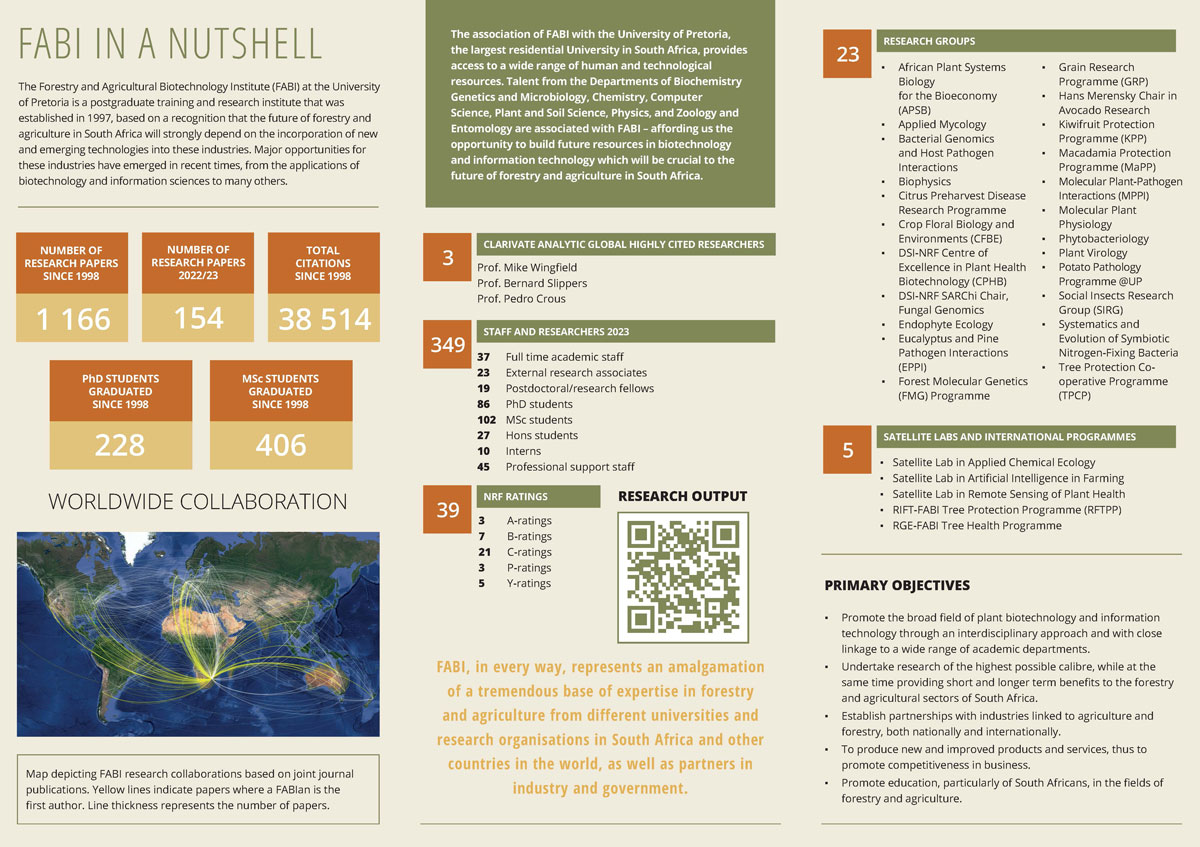
FABI in a nutshell

Research Features

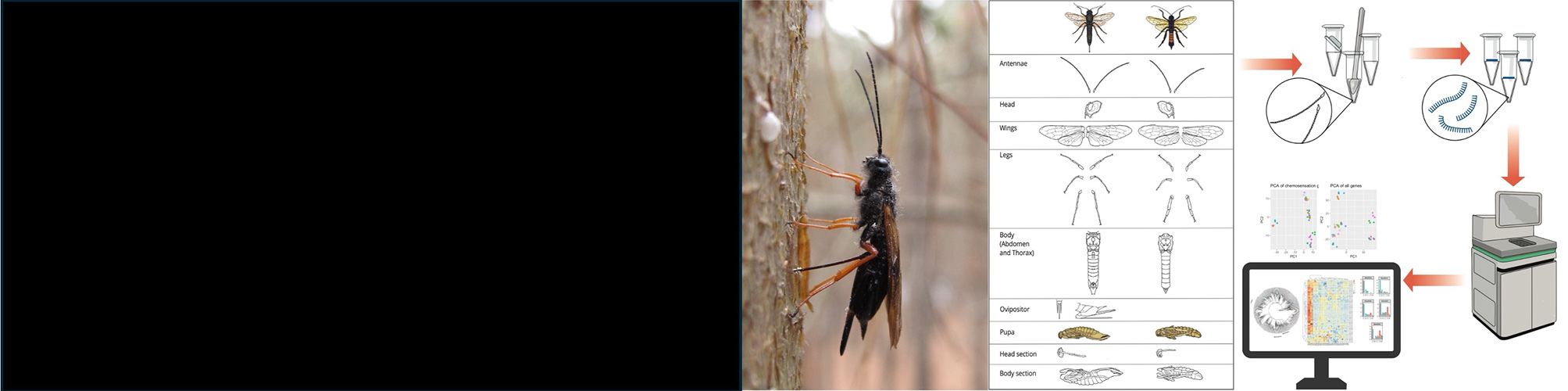
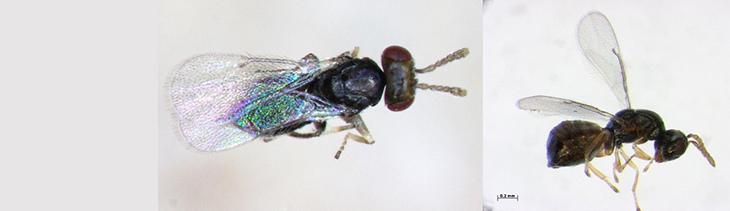
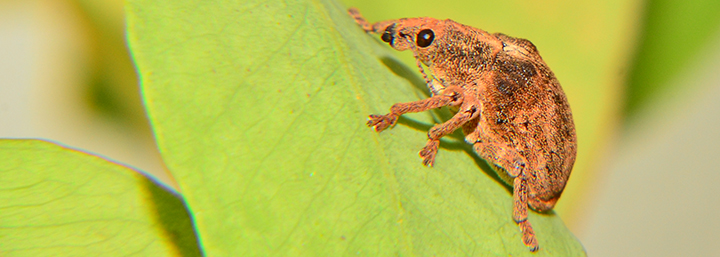
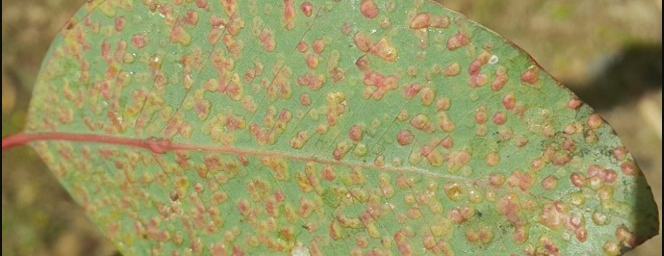
Host resistance is one of the main tactics for the management of the Eucalyptus gall wasp, Leptocybe invasa. The TPCP is involved in screening Eucalyptus genotypes to assess their susceptibility or resistance to gall formation by L. invasa. The first of these trials was completed in 2010. In total, 50 Eucalyptus genotypes from five Eucalyptus species and five Eucalyptus hybrids were screened. The GC540 clone (genotype 12) was used as a positive control as it was known to be highly susceptible to infestation by L. invasa. Results from the 2010 trial clearly show variation in susceptibility between species and hybrids, but importantly, also within some species and hybrids (see results for E. grandis and GC as examples). The TPCP is currently busy with another screening trial to test different Eucalyptus genotypes, and will start a third trial later in 2011.

The screening trials provide some indication of which genotypes are more susceptible and which more resistant, but the results do need to be taken with caution, because:

  1. Small, potted plants are screened in the nursery, and further investigation is required to determine if the same patterns in susceptibility will persist with older trees.
  2. The trials are located in Pretoria and further investigation is required to determine if the same patterns of susceptibility will persist across localities.
  3. The trials are a choice experiment, but results may differ when L. invasa is 'forced' to infest one host.
  4. It is not known whether L. invasa will have the ability to adapt and overcome the resistance of certain clones.


For more information on these trials, or general information on L. invasa, please contact:

Dr Brett Hurley
Phone: 012 420 5822
Email: This email address is being protected from spambots. You need JavaScript enabled to view it.

Prof. Bernard Slippers
Phone: 012 420 2463
Email: This email address is being protected from spambots. You need JavaScript enabled to view it.

New Publications

Nadasen TR, Hein I, Berger DK. (2026) Structural phylogenetics identifies conserved effector families and cell death-inducing proteins from Cercospora zeina. Molecular Plant-Microbe Interactions First Look 10.1094/MPMI-05-26-0048-R
Mbamali SKS, Mohlomi N, Van Der Nest MA, Mchunu NP, Permaul K. (2026) Reciprocal Genome Projection Reveals Reference-Conditioned Functional Variation in Clinical Aspergillus Section Nigri Isolates. Pathogens 10.3390/pathogens15090941
Schertler A, Lenzner B, Dullinger S, Moser D, García-Rodríguez A, Krisai-Greilhuber I, Voglmayr H, Bufford JL, Santini A, Ghelardini L, Capinha C, Reino L, Wingfield MJ, Thines M, Talhinhas P, Dawson W, van Kleunen M, Kreft H, Pergl J, Pyšek P, Weigelt P, Winter M, Essl F. (2026) Are novel and co-xenic associations common in alien fungal and fungus-like plants pathogens?. New Phytologist 10.1111/nph.71455
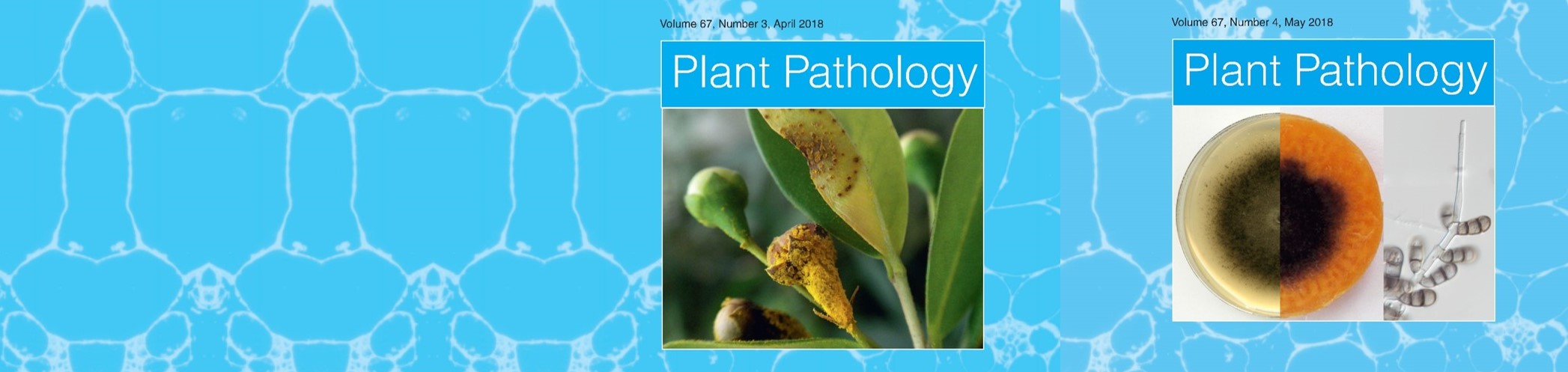
Thango S, Nsibo DL, Berger DK, Visagie CM, Slippers B. (2026) Phenotypic variation in the in vitro and in planta aggressiveness traits among Exserohilum turcicum strains from South Africa. Plant Pathology 75(4):e70257. 10.1111/ppa.70257
Bradshaw MJ, Paul A, Villani S, Bensch K, Mitchell KJ, Pfister DH, Visagie CM, Garfinkel AR, Quesada-Ocampo L, Aime MC, Braun U. (2026) Modern taxonomy as the foundation for identifying and managing fungal and fungus like plant pathogens. Plant Disease 10.1094/PDIS-12-25-2537-FE
Balocchi F, Wingfield MJ, Paap T. (2026) Occurrence of Phytophthora cinnamomi in the rhizosphere of declining Leucadendron elimense subsp. salteri in South Africa. Forest Pathology 56(4):e70097. 10.1111/efp.70097 PDF
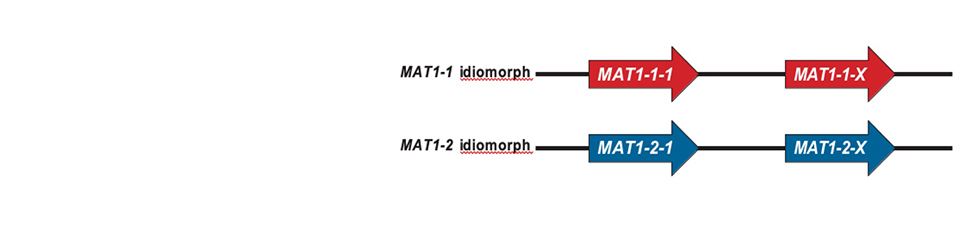
Pham NQ, Wingfield BD, Marincowitz S, Marpaung YMAN, Selebi AP, Tarigan M, Wingfield MJ. (2026) A novel Cryphonectria species (Cryphonectriaceae, Diaporthales) discovered on Eucalyptus, including insights into the mating biology of the genus. Fungal Biology 130:101831. 10.1016/j.funbio.2026.101831
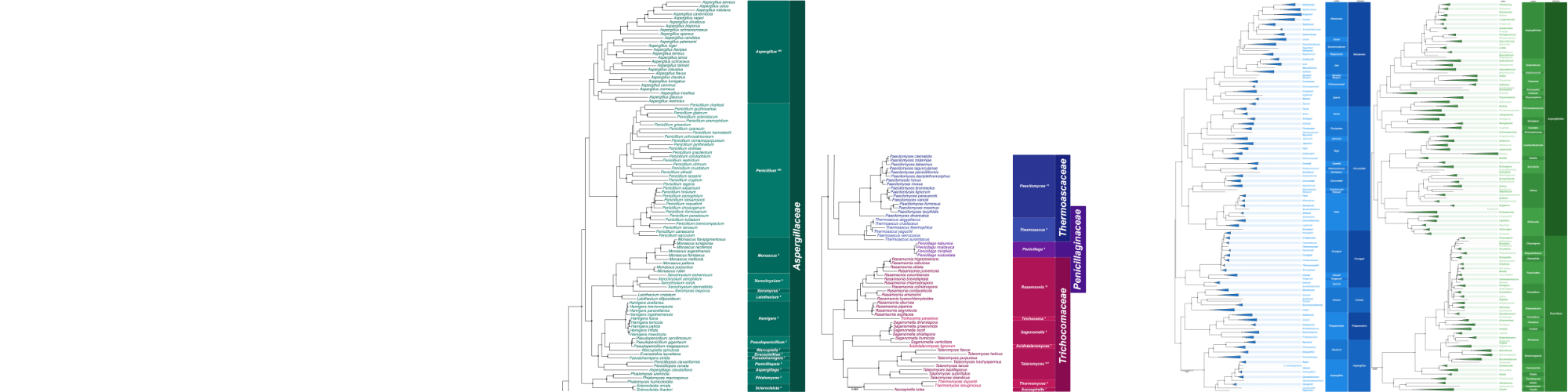
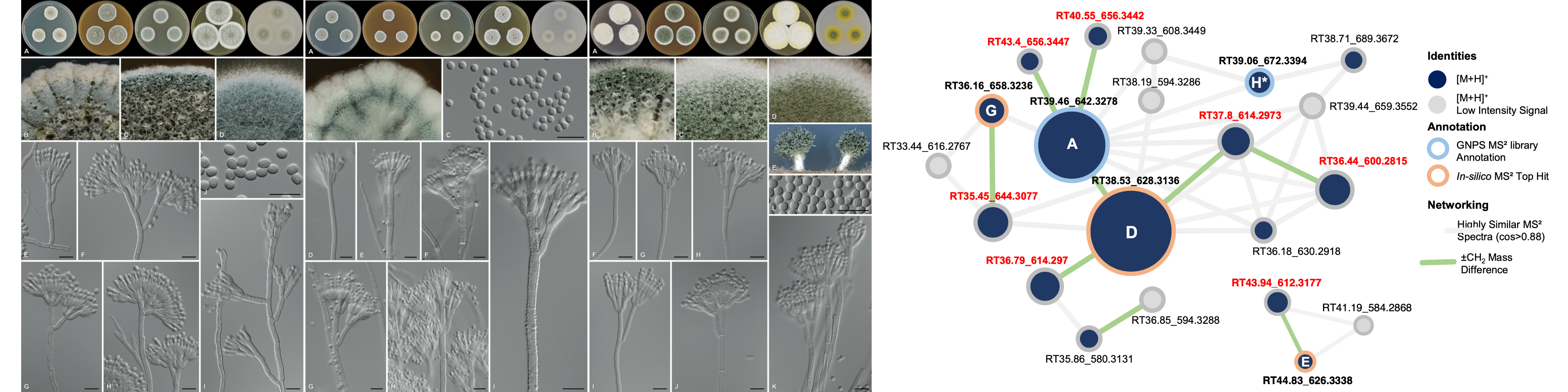
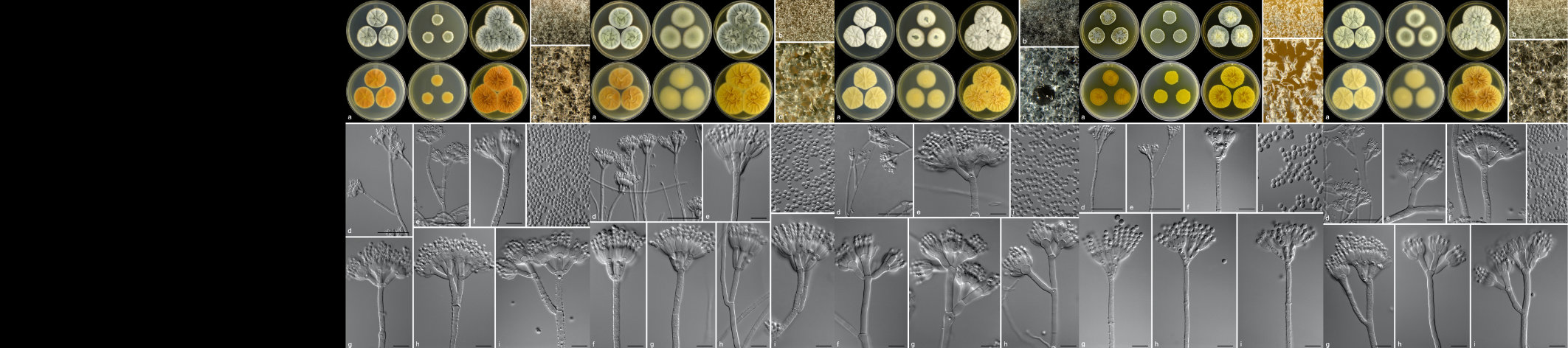
Kim JS, Lee W, Seo CW, Lee JW, Perera RH, Rho SM, Visagie CM, Houbraken J, Lim YW. (2026) A comprehensive assessment of Penicillium diversity in marine environments. Studies in Mycology 115:1–57. 10.3114/sim.2026.115.01
Jami F, Truter M, Pavlic M, Chen SF, Roux J. (2026) Identification of Botryosphaeriaceae species in the South African National Collection of fungi, including a novel species of Oblongocollomyces. African Biodiversity & Conservation 56(1):1-13. PDF
Vettraino AM, Bose T. (2026) Urban green spaces as emerging hotspots for Phytophthora diversity: a global synthesis of host associations, distribution and management gaps. Frontiers in Forests and Global Change 9:1872981. 10.3389/ffgc.2026.1872981