








FABI News

FABI Events

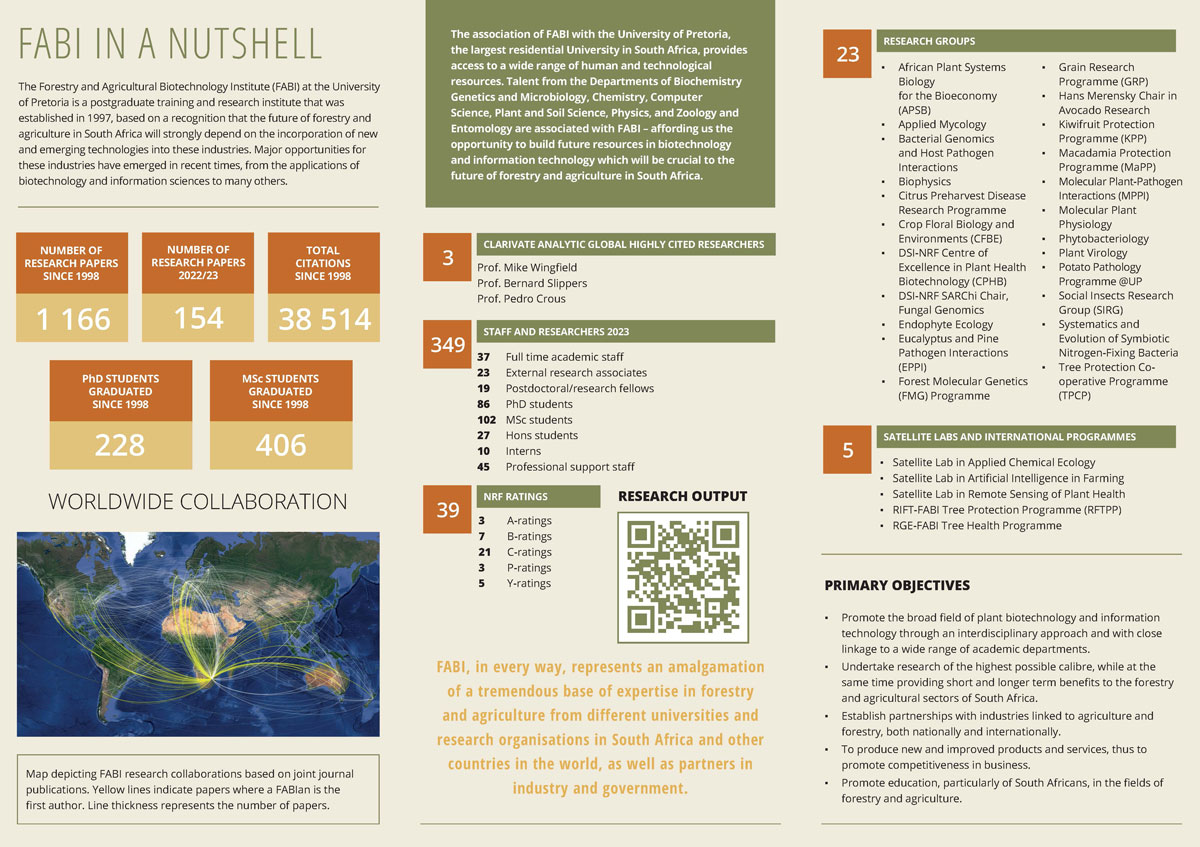
FABI in a nutshell

Research Features

Summary

Needle diseases of pines

Two potentially important diseases of pine needles are known in South Africa. These are Dothistroma needle blight caused by Dothistroma septosporum and Cercoseptoria needle blight caused by Cercoseptoria pini-densiflorae. In addition, Diplodia pinea can infect, kill and sporulate on pine needles. This fungus, however, usually infects shoots as discussed previously.

The primary needle pathogens of pines infect healthy, young foliage. Infections usually occur early in spring during wet, warm weather. After infection, symptoms may take a few days or a few months to appear. To recognise a primary needle disease, it is necessary to inspect the current year's needles at regular intervals. Needle pathogens usually infect most of the trees of a susceptible species in an area and are often most severe on younger trees and seedlings. In older plantations, a needle disease is often detected by inspecting natural regeneration.

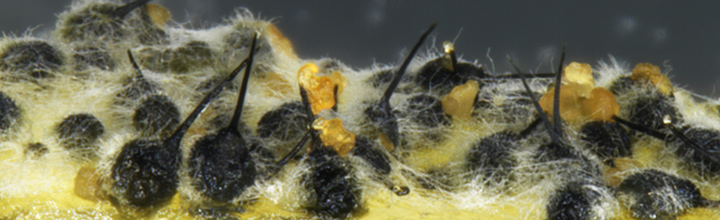
Dothistroma needle blight can be identified by chlorotic bands on the older needles at the base of branches in the lower half of the tree. These yellow bands spread to cover the entire needle, which ultimately turns brown and is shed. As the disease develops, it spreads to the younger foliage at the branch tips and at a chronic stage the tree may be left only with tufts of current year needles. Groups of small black fruiting bodies of the fungus break through the epidermis of dead needles.

Cercoseptoria needle blight was first recognised in South Africa in the 1980's where it was found in the eastern Cape, mainly on P. radiata, and in the eastern Mpumalanga on P. patula. This disease can be very severe in nurseries and young plantations where seedlings of many pine species can be entirely defoliated. The fungus usually infects old foliage first but in severe cases young foliage can also be affected. The first symptoms of infection are light green bands on the needles, which then turn yellow, brown and finally a grey colour. Fruiting bodies can be seen on dead needles and are characteristically "brush-like" and gray in appearance.

There are a number of other fungi that occur on senescent pine needles in South Africa (Crous et al. 1990). These are often found on needles killed by some of the previously mentioned needle pathogens. Under certain conditions these fungi can be pathogenic and kill healthy needles. The two most common genera in this group are Lophodermium spp. and Cyclaneusma spp. Lophodermium spp. are easily recognised on dead needles by the very distinct, elongate, black fruiting structures which open by a longitudinal slit in the centre. Cyclaneusma minus also produces distinct fruiting structures on dead needles. This fungus causes the needles to break open on the surface in a double "trap-door" like pustule.

Leaf diseases of eucalypts

In recent years, considerable effort has been made to identify the most common eucalypt leaf-infecting fungi. This has resulted in the identification of a large number of fungi, ranging from virtually saprophytic to highly pathogenic. Of these the most common leaf pathogens include Teratosphaeria (Mycosphaerella) spp. (T. nubilosa is considered most common and important), Aulographina eucalypti, Kirramyces (Phaeophloeospora) epicoccoides, Sphaerotheca pannosa and Pseudocercospora eucalypti (Crous et al., 1989).

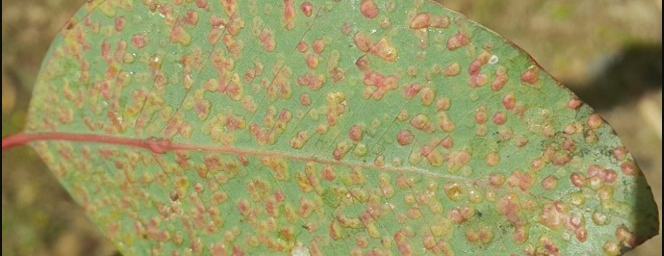
At present, only Teratosphaeria spp. are considered to be major pathogens of eucalypts in plantations. These fungi cause a disease commonly known as Mycosphaerella leaf blotch. This disease occurs on many eucalypt species but is most common and serious on E. nitens. Mycosphaerella leaf blotch is characterised by large necrotic lesions on juvenile leaves and the presence of small black pseudothecia (fruiting structures containing sexual spores) on these lesions.

Only juvenile leaves of E. nitens are susceptible to infection by Teratosphaeria spp. and, once trees produce adult leaves, they are no longer affected by this pathogen. Victoria provenances of E. nitens are highly susceptible and severe defoliation can prevent trees from reaching the adult leaf stage. In general, New South Wales provenances are relatively resistant to this disease. Certain provenances from this area are, however, beginning to show unacceptable levels of susceptibility to Mycosphaerella leaf blotch. In recent years, the disease has also begun to occur commonly on E. grandis and there are indications that the pathogen is adapting to this species.

Powdery mildew caused by Sphaerotheca pannosa is an important and damaging disease of eucalypts in seedling as well as vegetative propagation nurseries. It is also important on trees in clonal hedge banks. The disease can cause serious defoliation and even death of trees in these situations (Crous et al., 1989).

Leaf spot and blight cause by Quambalaria eucalypti is a sporadic problem in the Zululand region, especially in nurseries. Infection may result in shoot death and affects the production of cuttings from hedges. The disease is most common on E. grandis hybrid clones in Zululand, but has also been found on E. nitens in the Mpumalanga region of the country (Roux et al. 2006).

Leaf diseases of wattle

Only two diseases are known to affect the leaves of wattle trees in South African plantations. These include rust caused by Uromyces alpinum and leaf spot caused by the Ascomycete, Camptomeris albizziae. Losses associated with these diseases are minimal. They do, however, appear to be associated with leaf drop, which can often be severe in autumn (Roux 2002).

New Publications

Nadasen TR, Hein I, Berger DK. (2026) Structural phylogenetics identifies conserved effector families and cell death-inducing proteins from Cercospora zeina. Molecular Plant-Microbe Interactions First Look 10.1094/MPMI-05-26-0048-R
Mbamali SKS, Mohlomi N, Van Der Nest MA, Mchunu NP, Permaul K. (2026) Reciprocal Genome Projection Reveals Reference-Conditioned Functional Variation in Clinical Aspergillus Section Nigri Isolates. Pathogens 10.3390/pathogens15090941
Schertler A, Lenzner B, Dullinger S, Moser D, García-Rodríguez A, Krisai-Greilhuber I, Voglmayr H, Bufford JL, Santini A, Ghelardini L, Capinha C, Reino L, Wingfield MJ, Thines M, Talhinhas P, Dawson W, van Kleunen M, Kreft H, Pergl J, Pyšek P, Weigelt P, Winter M, Essl F. (2026) Are novel and co-xenic associations common in alien fungal and fungus-like plants pathogens?. New Phytologist 10.1111/nph.71455
Thango S, Nsibo DL, Berger DK, Visagie CM, Slippers B. (2026) Phenotypic variation in the in vitro and in planta aggressiveness traits among Exserohilum turcicum strains from South Africa. Plant Pathology 75(4):e70257. 10.1111/ppa.70257
Bradshaw MJ, Paul A, Villani S, Bensch K, Mitchell KJ, Pfister DH, Visagie CM, Garfinkel AR, Quesada-Ocampo L, Aime MC, Braun U. (2026) Modern taxonomy as the foundation for identifying and managing fungal and fungus like plant pathogens. Plant Disease 10.1094/PDIS-12-25-2537-FE
Balocchi F, Wingfield MJ, Paap T. (2026) Occurrence of Phytophthora cinnamomi in the rhizosphere of declining Leucadendron elimense subsp. salteri in South Africa. Forest Pathology 56(4):e70097. 10.1111/efp.70097 PDF
Pham NQ, Wingfield BD, Marincowitz S, Marpaung YMAN, Selebi AP, Tarigan M, Wingfield MJ. (2026) A novel Cryphonectria species (Cryphonectriaceae, Diaporthales) discovered on Eucalyptus, including insights into the mating biology of the genus. Fungal Biology 130:101831. 10.1016/j.funbio.2026.101831
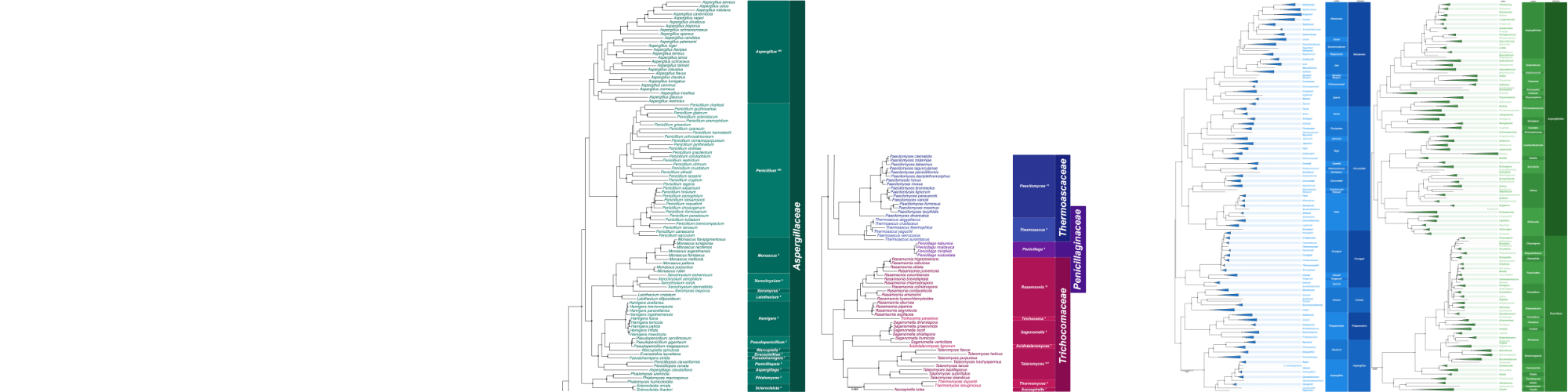
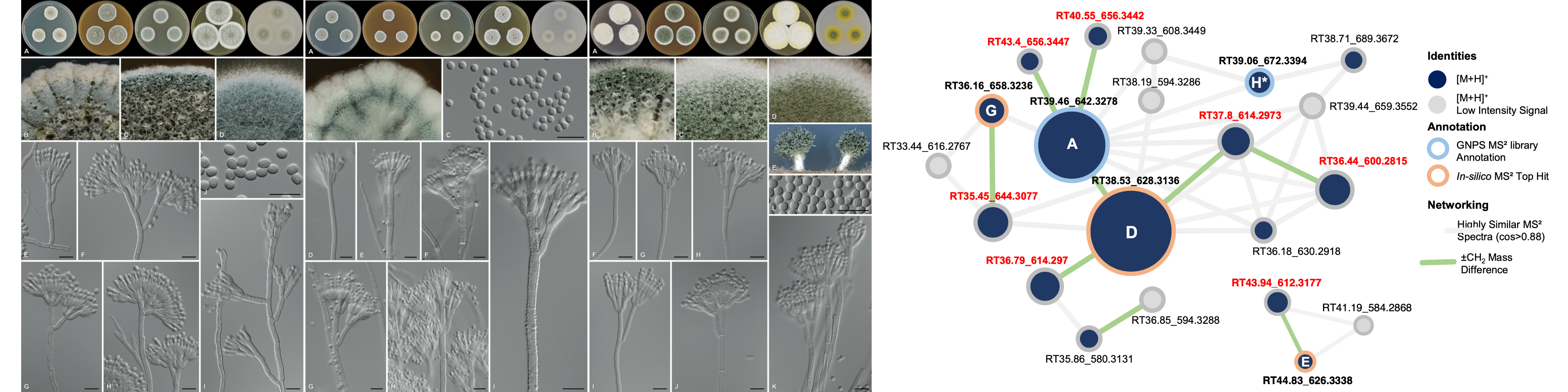
Kim JS, Lee W, Seo CW, Lee JW, Perera RH, Rho SM, Visagie CM, Houbraken J, Lim YW. (2026) A comprehensive assessment of Penicillium diversity in marine environments. Studies in Mycology 115:1–57. 10.3114/sim.2026.115.01
Jami F, Truter M, Pavlic M, Chen SF, Roux J. (2026) Identification of Botryosphaeriaceae species in the South African National Collection of fungi, including a novel species of Oblongocollomyces. African Biodiversity & Conservation 56(1):1-13. PDF
Vettraino AM, Bose T. (2026) Urban green spaces as emerging hotspots for Phytophthora diversity: a global synthesis of host associations, distribution and management gaps. Frontiers in Forests and Global Change 9:1872981. 10.3389/ffgc.2026.1872981
Burgess TI, Wingfield MJ. (2026) Unveiling a hidden menace: Invasive tree pathogens, less known but increasingly threatening Southern hemisphere forests. Annual Review of Phytopathology 64 10.1146/annurev-phyto-011325-100959
Motete T, Solís M, Hammerbacher A, Naidoo S. (2026) Gene expression profiling in Eucalyptus associates Phenylpropanoid resistance to Teratosphaeria destructans. Plant Pathology 10.1111/ppa.70207
Aylward J, Atkins S, Roets F, Danti R, Della Rocca G, Emiliani G, Fraser S, Garbelotto MM, Herron DA, Scali E, Wingfield BD, Wingfield MJ. (2026) High genetic diversity in the Cypress canker pathogen Seiridium cardinale in the Southern Hemisphere. Plant Pathology 75 10.1111/ppa.70212
van Heerden A, Pham NQ, Duong TA, Wingfield MJ, Wingfield BD. (2026) Draft genome sequence of Ganoderma philippii, a serious root rot pathogen of Eucalyptus in Southeast Asia. Australasian Plant Pathology 55:81. 10.1007/s13313-026-01159-1
Schoeman C, Roodt D, Mc Menamin A, Bezuidt O, Dithugoe C, Pinard D, Mizrachi E. (2026) Conserved symbiosis-associated genes in the cycad Encephalartos natalensis suggest co-option for cyanobacterial symbiosis. New Phytologist 10.1111/nph.71311
Townsend G, Hill M, Hurley BP, Roets F. (2026) Native Scolytinae and Platypodinae beetle assemblages in indigenous South African forests and their co-occurrence with the invasive PSHB beetle. Journal of Insect Conservation 30 10.1007/s10841-026-00779-8
Botha I, Maduna SN, Hagen SB, Lall N, Berger DK. (2026) 3RAD-guided SNP discovery for species identification and conservation of the medicinal southern African tree Genus Greyia Hook. & Harv.. Ecology and Evolution 16(5):e73412, 1-29. 10.1002/ece3.73412
Balocchi F, Duncan G, Yilmaz N, Wingfield MJ, Paap T. (2026) The critically endangered geophyte Gladiolus aureus threatened by a wilt disease associated with Fusarium libertatis. Journal of Plant Pathology 10.1007/s42161-026-02227-7 PDF
Bose T, Wingfield MJ. (2026) Plantations are invasive pathogen bridgeheads—response to Li et al.. Trends in Ecology & Evolution 10.1016/j.tree.2026.05.006
Jamieson B-A, Paap T, Pegg GS, Carnegie AJ, Wingfield MJ, Roux J, Hardy GEStJ, Drenth A, Hammerbacher A, Bose T. (2026) Quambalaria spp.: Emerging Tree Pathogens of Concern. Current Forestry Reports 12:13. 10.1007/s40725-026-00274-y
Masuku SK, De Vos L, Thabiso TE, Steenkamp ET, Wingfield BD. (2026) Baseline sensitivity of South African Fusarium circinatum to tebuconazole. Journal of Plant Pathology 10.1007/s42161-026-02197-w
Fitawek W, Anjulo A, Healey M, Lawson SA, Hurley BP. (2026) The Moringa value chain in Ethiopia and the socio-economic impact of pests and diseases. CABI Agriculture and Bioscience 10.1079/ab.2026.00041 PDF
Lynn KMT, Wingfield MJ, Oliveira LSS, Alfenas AC, Ferreira Alfenas RF, Marincowitz S, Barnes I. (2026) Phylogenetic and population genetic analyses reveal patterns of divergence amongst isolates of Ceratocystis manginecans. Ecology and Evolution 16 10.1002/ece3.73652
Dlamini CM, Matongera TN, Lawson SA, Healey M, Tanga A, Regasa K, Kassie W, Hurley BP, Germishuizen I. (2026) Modelling spatiotemporal dynamics of wattle plantations in northwestern Ethiopia using harmonised PlanetScope and RapidEye imagery. Trees, Forests and People 25:101293. 10.1016/j.tfp.2026.101293 PDF
Ndou M, Potts WM, Duong TA, Teske PR, Childs AR, Henriques R. (2026) Conspecific scaffold-level genome assembly outperforms heterospecific chromosome-level assemblies for assessing genetic indicators in a threatened marine fish. Evolutionary Applications 19:e70247. 10.1111/eva.70247
Marx B, van Dijk A, Steenkamp ET, Wingfield MJ, Wingfield BD. (2026) Breaking the mould: Cellulose in the cell walls of the Ophiostomatales. Fungal Biology Reviews 57 10.1016/j.fbr.2026.100489
Wingfield BD, Coetzee MPA, Wingfield BJ, Groenewald M, Pohl C, Wingfield MJ. (2026) The genetic blueprint of Cyclohexamide resistance: Analysis of 816 yeast species. Research Square 10.21203/rs.3.rs-9313202/v1
Paap T, White D, Bose T, Burgess TI. (2026) Diversity and phylogeny of Phytophthora Clade 9, including descriptions of three novel species. Mycological Progress 25:29. 10.1007/s11557-026-02140-4
Kgatla MM, Barker C, Baxter JR, Bester-van der Merwe AE, Chaisi M, Chakona A, Cherry MI, Daniels SR, Du Preez LH, Haddad CR, Hawkes PG, Ho C, Hoareau TB, Jacobs A, Jacobs K, Janion-Scheepers C, Jansen van Vuuren B, Kabongo RM, Khoza TT, Khumalo NL, Mahlanza T, Makapela L, Makhubo BG, Maneveldt GW, Mashego K, Matcher G, Matthee CA, Mavhunga M, Midgley JM, Mlambo M, Monsanto DM, Mthombeni R, Murray SL, Mynhardt S, Nang-Mba B, Ndlovu M, Parbhu SP, Phetla V, Phukuntsi M, Pitcher TR, Samaai T, Sethusa MT, Simon CA, Sink K, Sole CL, Theron GL, van Asch B, van der Bank M, van Steenderen CJM, Villet MH, Visagie CM, Williams KA, Willows-Munro S, Da Silva JM, Mwale M. (2026) An overview of DNA barcoding of biodiversity in South Africa. PLOS ONE 21(4):e0345173. 10.1371/journal.pone.0345173
Li GQ, Slippers B, Wingfield MJ, Chen SF. (2026) Diversity, distribution and host range of Botryosphaeriaceae in China. Forest Pathology 10.1111/efp.70077
Joubert M, van den Berg N, Theron J, Swart V. (2026) Leaf bleaching is associated with extensive transcriptional reprogramming in avocado trees with sunblotch disease. Virology 620:110903. 10.1016/j.virol.2026.110903 PDF
Nzuza P, Schroder ML, Slippers B, Maes WH. (2026) Spectral responses to larval and artificial defoliation in Eucalyptus dunnii: Implications for UAV-based detection of Gonipterus damage. Drones 10(4) 10.3390/drones10040250
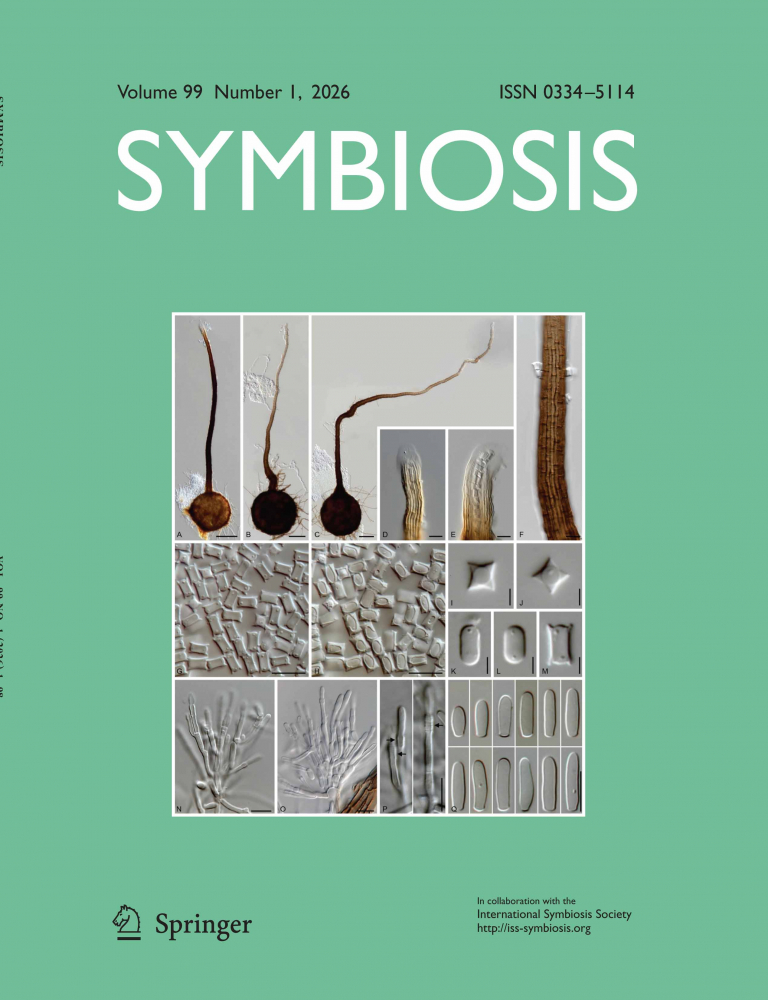
Six DL, Marincowitz S, Duong TA. (2026) Ophiostoma ipsi-confusi sp. nov. Six, Marinc. & Duong, a consistent symbiotic fungus of the pinyon ips bark beetle, Ips confusus LeConte. Symbiosis 10.1007/s13199-026-01135-9
Yan Z, Zhao Y, Meng X, Gao M, Si H, Zhao G, Bose T, Chang R. (2026) New manganese-oxidizing Acremonium-like fungi from halophytic rhizospheres in the Yellow River Delta, China. Mycologia :1-13. 10.1080/00275514.2026.2627133
Eshetu FB, Barnes I, Nahrung HF, Fitza KNE, Slippers B. (2026) A Century of invasion: How biosecurity influenced populations of Sirex noctilio and Its fungal symbiont in Australasia. Molecular Ecology 35(6):0962 - 1083. 10.1111/mec.70311
Viljoen A, Duong TA, Kanzi AM, Wingfield BD. (2026) Comparative analysis of mitochondrial genomes in the Ceratocystidaceae reveals highly conserved gene organization despite substantial genome size variation. BMC Genomics 10.1186/s12864-026-12755-2
Ribeiro MF, Cavallini G, Solce GN, Favoreto AL, De Souza Passos J-R, Barbosa LR, Hurley BP, Wilcken CF. (2026) Cold storage of Gonipterus platensis (Coleoptera: Curculionidae) eggs for Anaphes nitens (Hymenoptera: Mymaridae) rearing. PeerJ :1-14. 10.7717/peerj.20903 PDF
Pham NQ, Marincowitz S, Marpaung YMAN, Tarigan M, Wingfield BD, Wingfield MJ. (2026) Two Cryphonectriaceae species from Eucalyptus leaves in North Sumatra and their stem inoculation outcomes. Fungal Systematics and Evolution 17:69–79. 10.15761/fuse.2026.17.05 PDF
Nickles GR, Stokes CK, Narh DL, Lynn KMT, Fuqua SR, Bryan C, Allen BM, Bivins CP, Bok JW, Brewer JS, Buthelezi ST, Clark JPRM, Coon KL, Corby LR, Coetzee MPA, Dewing C, Duong TA, Harris MA, Keller NP, Kopotsa K, Lane FA, Nichols HL, Nieuwoudt A, Nuñez MA, Medina Munoz ME, Park SC, Pham NQ, Ryan KT, Solís M, Vilgalys R, Wallace JM, Wang YW, Wingfield BD, Wingfield MJ, Worley TK, Zallek TA, Zamanian M, Hoeksma JD, Drott M, Pringle A. (2026) Equipped for success: Genomes and metabolites of the European Amanita muscaria are conserved in its novel South African range. New Phytologist 10.1111/nph.71064
Pham NQ, Wingfield MJ, Duong TA, Wingfield BD. (2026) Draft genome sequence of Elsinoe masingae: the causal agent of Eucalyptus scab in South Africa. Australasian Plant Pathology 55:37. 10.1007/s13313-026-01082-5
Pham NQ, Marincowitz S, Wingfield BD, Crous PW, Santos SA, Durán A, Tarigan M, Wingfield MJ . (2026) Pseudoteratosphaeria supramediana sp. nov. (Teratosphaeriaceae, Mycosphaerellales), a new foliar pathogen on Eucalyptus in Indonesia. Australasian Plant Pathology 55:28. 10.1007/s13313-026-01092-3
Nel WJ, Jali S, Barnes I, Wondafrash M, Hurley BP. (2026) Outbreaks of a native jewel beetle, Agrilus grandis (Coleoptera: Buprestidae), on commercial black wattle, Acacia mearnsii, plantations in South Africa. African Entomology 34(1):1-5. 10.17159/2254-8854/2026/a24625
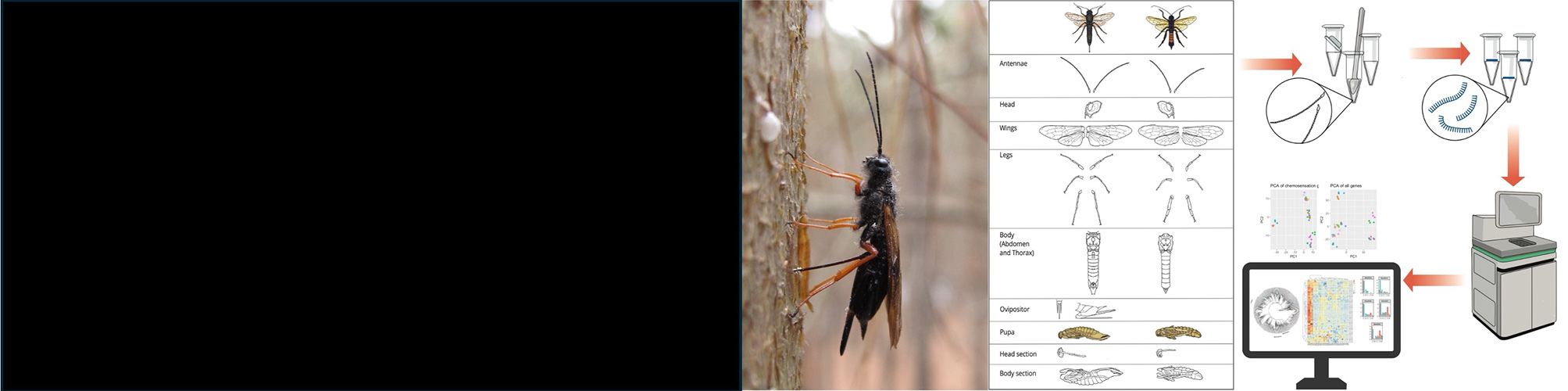
Postma A, Klynsmith L, Duong TA, Allison JD, Smidt W, Waterhouse RM, Lesny P, Oeyen JP, Petersen M, Martin S, Liu S, Zhou X, Ziesmann T, Donath A, Mayer C, Misof B, Niehuis O, Peters RS, Podsiadlowski L, Coetzee MPA, Joubert F, Slippers B. (2026) Genome and transcriptome-based identification and expression profiling of chemosensory gene families across developmental stages and tissues in Sirex noctilio (Hymenoptera: Siricidae). Insect Molecular Biology :1-14. 10.1111/imb.70029
Aylward J, Visagie CM, Roets F, Wingfield BD, Wingfield MJ. (2026) Genome analyses reveal two novel species of Seiridium from Acacia mearnsii. Mycological Progress 25:8. 10.1007/s11557-026-02121-7
Liu QL, Wingfield MJ, Duong TA, Wingfield BD, Crous PW. (2026) Taxonomy, distribution and dispersal of Calonectria species: Important pathogens of forestry, agricultural and horticultural crops. Current Forestry Reports 12(4) 10.1007/s40725-025-00262-8
Carstens M, Pliego C, Norval A, van den Berg N. (2026) Dematophora necatrix: From taxonomy to molecular advances. Fungal Biology Reviews 55:100471. 10.1016/j.fbr.2026.100471 PDF
Nethononda PD, Hurley BP, Slippers B, Makhura MN. (2026) Smallholder farmers’ knowledge, perception and management of Spodoptera frugiperda (Lepidoptera: Noctuidae) on Zea mays at irrigation schemes in Limpopo province, South Africa. Crop Protection :107457. 10.1016/j.cropro.2025.107457
Karsten M, Fourie G, Roets F, Javal M, Terblanche J, Dittrich-Schröder G, Bierman A. 2026. Genetic Toolkits for IPM. In: Principles of Integrated Pest Management. Terblanche J, Karsten M. (eds). CABI, pp 294-319. PDF
Swanepoel S, Naidoo S. (2026) A weighted gene co-expression network analysis characterises the common defence responses of Eucalyptus to diverse biotic challenges. Scientific Reports 16:5387. 10.1038/s41598-025-32699-z
Addikah C, Abubeker H, Mukiibi A, Bairu M, Amelework A, Van der Laan M, Mangani R. (2026) Current and future potential of cassava (Manihot esculenta) in Southern Africa: a scoping review. 4:120. 10.1007/s44279-026-00598-0