



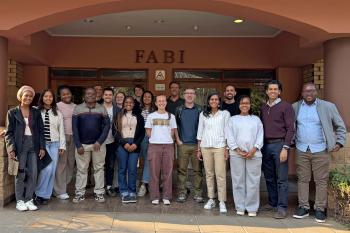
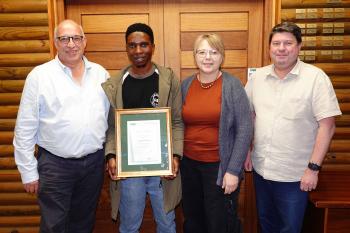
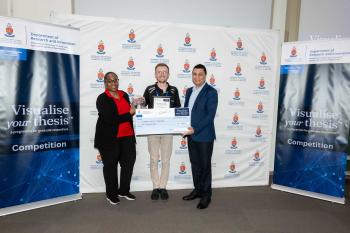
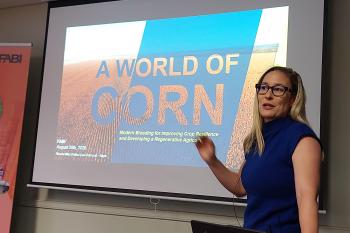


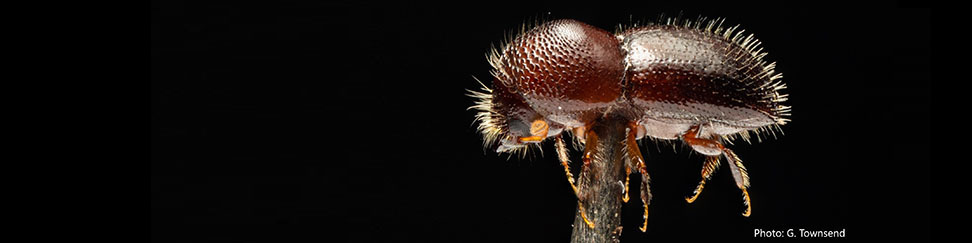
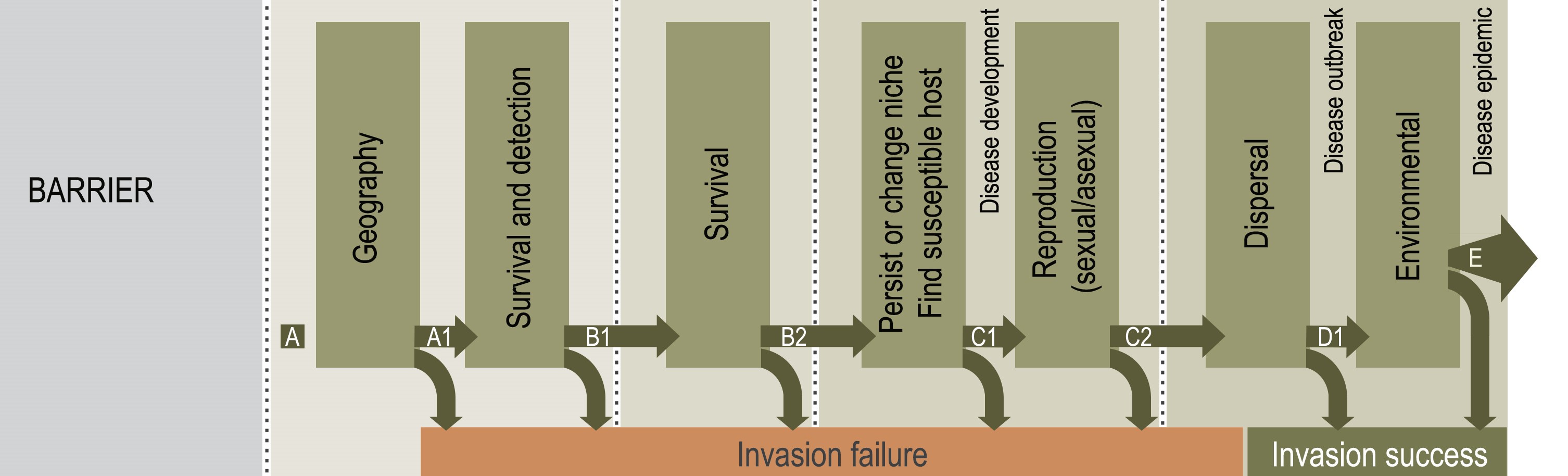
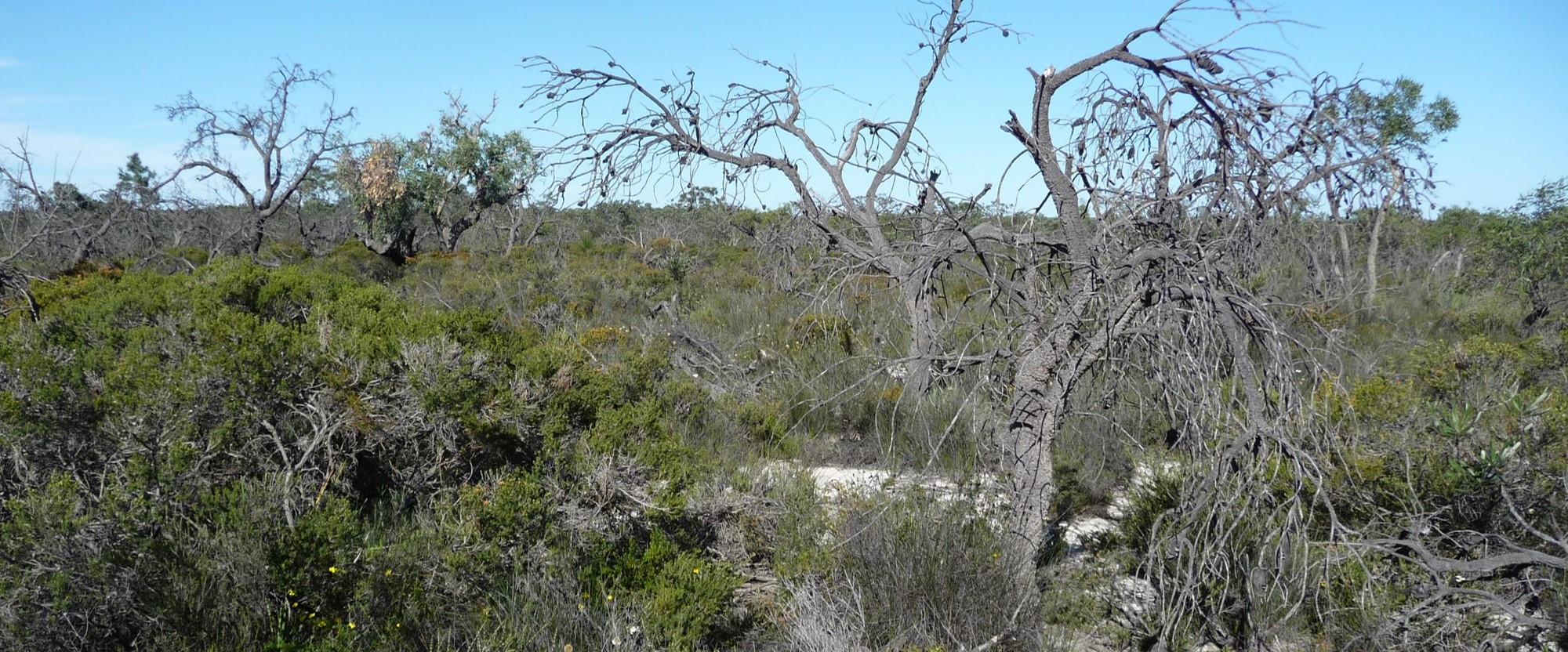
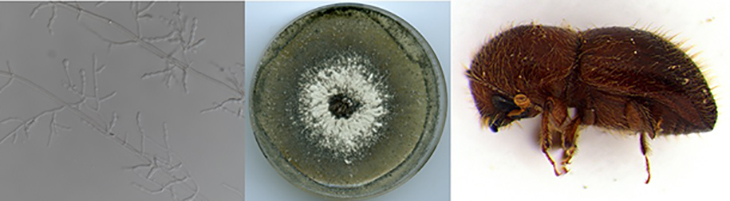
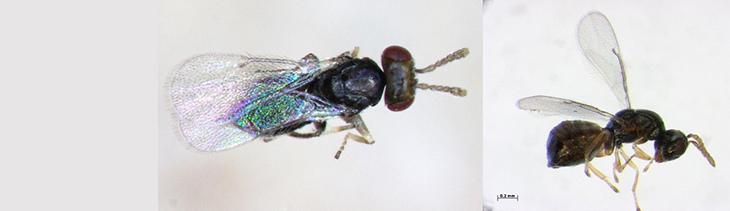

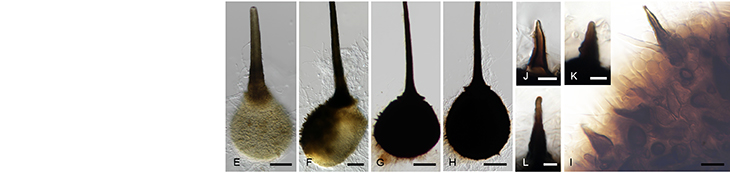
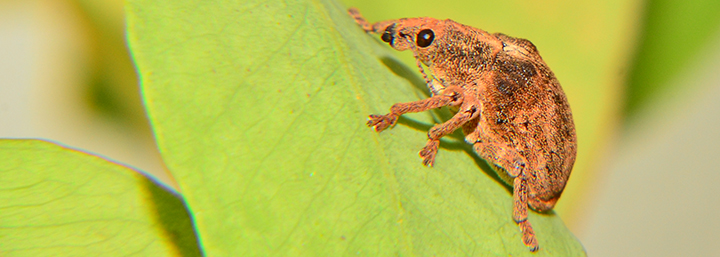

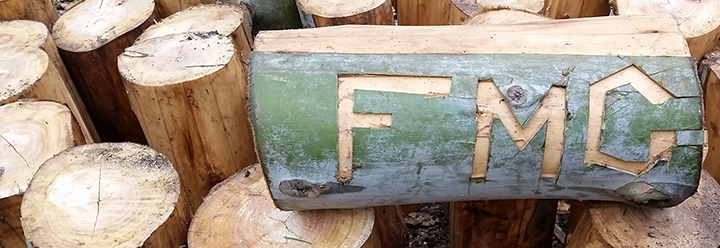
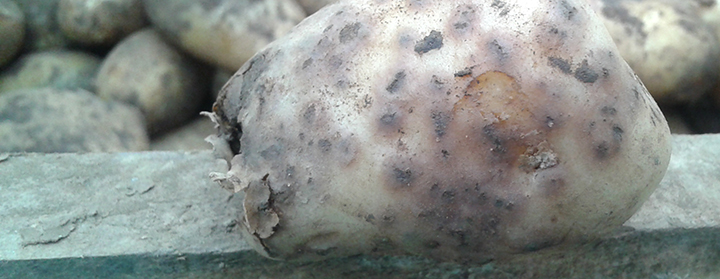
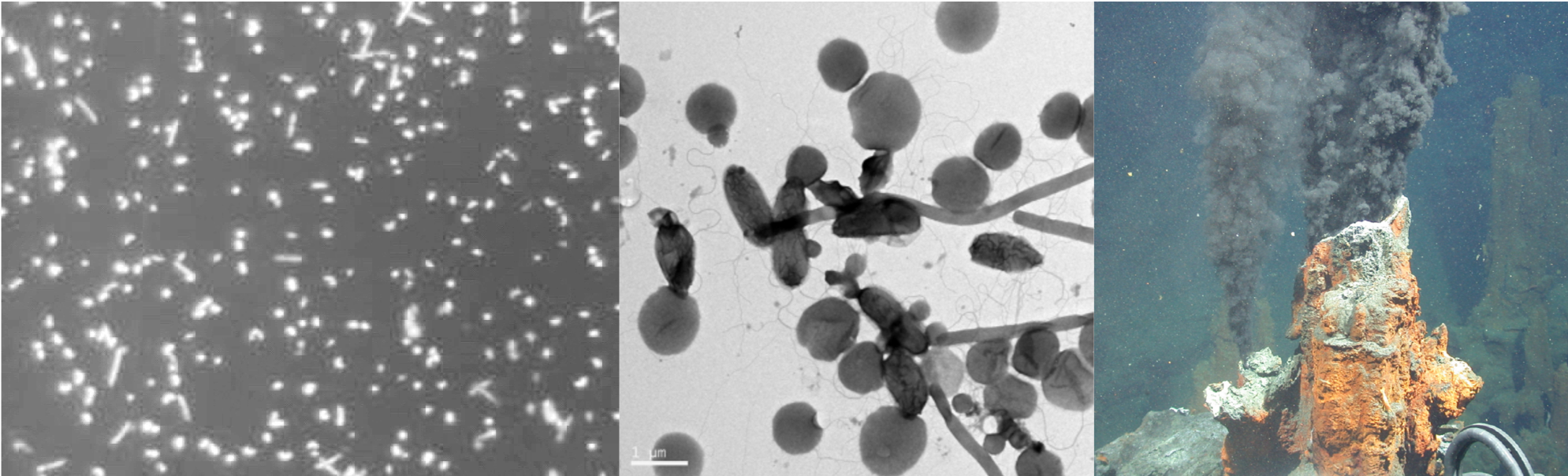
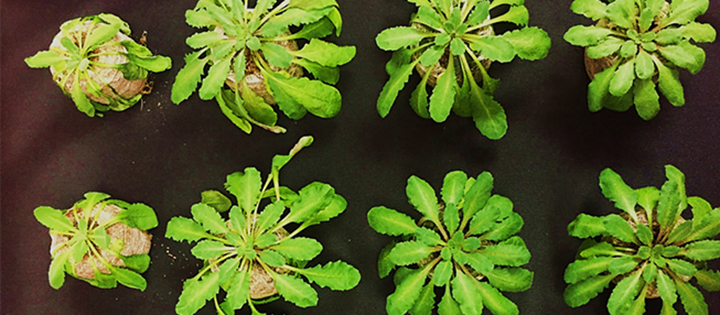
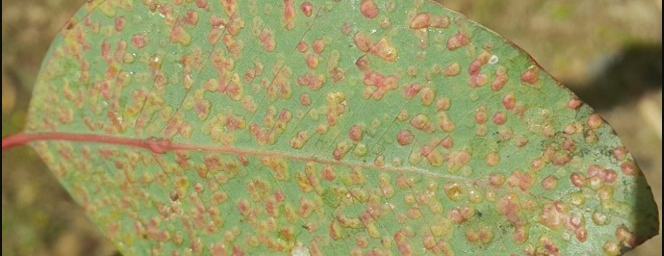





Currently, there is a rapid surge in the number of alien arthropod plant pests and pathogens in many countries. Unfortunately, many of these pests and pathogens are unknown to science or at least unknown to cause serious damage before they arrive and establish in a novel environment. Improved pest and pathogen surveillance and monitoring methods and early warning systems are therefore required. To this effect, recently there is a move towards sentinel plant research to identify new and emerging pest and pathogen risks before they arrive in novel environments. In 2016, a South African National Biodiversity Institute (SANBI) funded project was initiated under the framework of the International Plant Sentinel Network (IPSN). The project aims to improve surveillance and identification of new and emerging pest and pathogen risks, by monitoring plant health in botanical gardens and arboreta in South Africa. South Africa is privileged to have several botanical gardens and arboreta located across the country. These gardens and arboreta provide a unique opportunity for biosecurity research as they house diverse collections of exotic and native plant species. The project also promotes an increased awareness of plant health issues, and aims to build capacity within the gardens to detect and manage pest and pathogen problems.
This website provides access to resources generated from this project and previous biosecurity related research conducted in botanical gardens and arboreta in South Africa.
The project is funded and supported by:
Important Links:
- Botanical Gardens Conservation International (BGCI)
- International Plant Sentinel Network (IPSN)
- Invasive Species Programme
- Polyphagous Shot Hole Borer (PSHB)
Contact information:
Dr Felipe Balocchi
Forestry and Agricultural Biotechnology Institute (FABI)
University of Pretoria
Pretoria 0002
E-mail: This email address is being protected from spambots. You need JavaScript enabled to view it.
Telephone: +27 (12) 4203939