









FABI News

FABI Events

FABI in a nutshell

Research Features

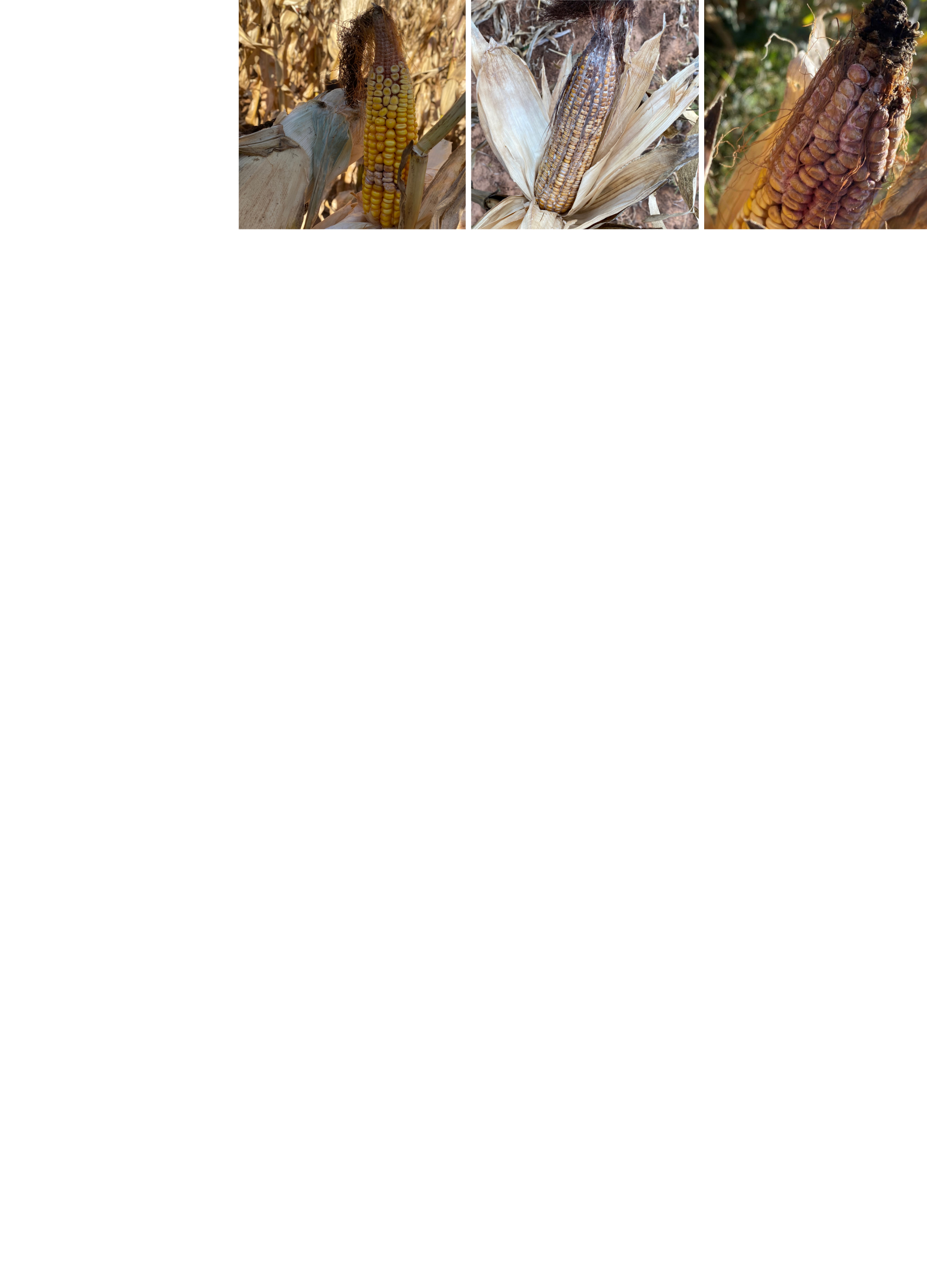
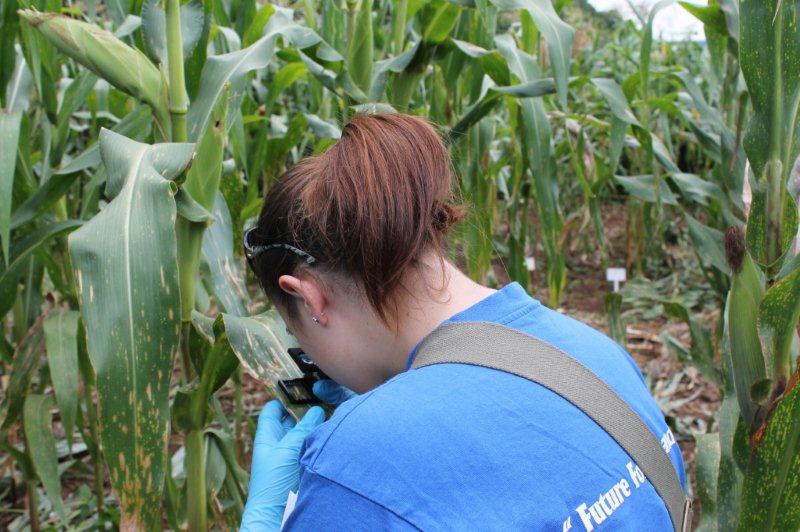
Pathosystems currently under study include grey leaf spot in maize (GLS) caused by Cercospora zeina, and northern corn leaf blight (NCLB) in maize and sorghum caused by Exserohilum turcicum.

Grey leaf spot in Africa is caused by the fungal pathogen Cercospora zeina. This widespread and destructive pathogen causes millions of rands worth of loss to maize yields every year. In collaboration with Professor Dave Berger (UP) and Professor Burt Bluhm (University of Arkansas), the research group is focussed on functional genomics of virulence factors of C. zeina. Previously characterised Dothideomycete as well as C. zeina specific effector genes, responsible for disease in maize, are identified in the recently assembled African C. zeina genome, and effector function is established through creating knock-out fungal mutants. Following maize infection, we monitor maize plants' response to these mutant strains compared to wild type C. zeina strains. In addition, we have constructed strains of C. zeina containing the green fluorescent protein in order to elucidate the exact mode of infection of this fungus using confocal microscopy, and determine whether it is similar to the closely related maize pathogen C. zeae-maydis.

Northern corn leaf blight (NCLB), caused by the fungus Exserohilum turcicum, is a devastating leaf foliar pathogen that occurs in most maize growing areas throughout the world. As part of a long term project to identify and isolate virulence factors from maize foliar fungal pathogens, CFPR is interested in characterising E. turcicum isolates from South Africa using simple sequence repeats (SSRs) as molecular markers. Setosphaeria turcica, the telomorph form of E. turcicum, has been sequenced as part of a Dothidiomycete sequencing project at the Joint Genome Initiative (http://www.jgi.doe.gov/genome-projects/). We used this sequence to identify single strand repeats, and design primers to conserved flanking regions for use in molecular characterisation of South African E. turcicum isolates. In addition, we are working together with Dr Maryke Craven from the ARC Grain Crops Institute in order to develop molecular markers to identify the various races of E. turcicum present in South African maize fields.

New Publications

Nadasen TR, Hein I, Berger DK. (2026) Structural phylogenetics identifies conserved effector families and cell death-inducing proteins from Cercospora zeina. Molecular Plant-Microbe Interactions First Look 10.1094/MPMI-05-26-0048-R
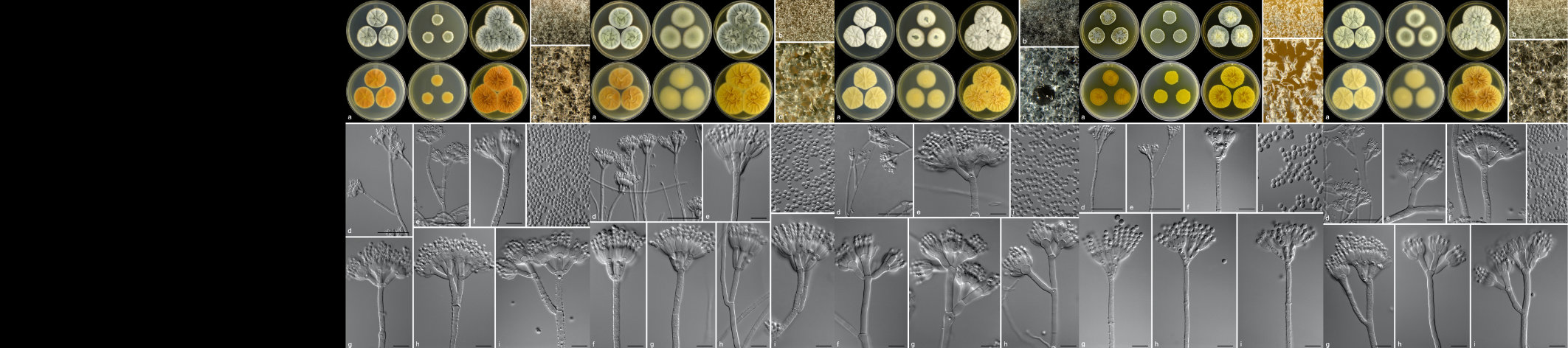
Mbamali SKS, Mohlomi N, Van Der Nest MA, Mchunu NP, Permaul K. (2026) Reciprocal Genome Projection Reveals Reference-Conditioned Functional Variation in Clinical Aspergillus Section Nigri Isolates. Pathogens 10.3390/pathogens15090941
Schertler A, Lenzner B, Dullinger S, Moser D, García-Rodríguez A, Krisai-Greilhuber I, Voglmayr H, Bufford JL, Santini A, Ghelardini L, Capinha C, Reino L, Wingfield MJ, Thines M, Talhinhas P, Dawson W, van Kleunen M, Kreft H, Pergl J, Pyšek P, Weigelt P, Winter M, Essl F. (2026) Are novel and co-xenic associations common in alien fungal and fungus-like plants pathogens?. New Phytologist 10.1111/nph.71455
Thango S, Nsibo DL, Berger DK, Visagie CM, Slippers B. (2026) Phenotypic variation in the in vitro and in planta aggressiveness traits among Exserohilum turcicum strains from South Africa. Plant Pathology 75(4):e70257. 10.1111/ppa.70257
Bradshaw MJ, Paul A, Villani S, Bensch K, Mitchell KJ, Pfister DH, Visagie CM, Garfinkel AR, Quesada-Ocampo L, Aime MC, Braun U. (2026) Modern taxonomy as the foundation for identifying and managing fungal and fungus like plant pathogens. Plant Disease 10.1094/PDIS-12-25-2537-FE
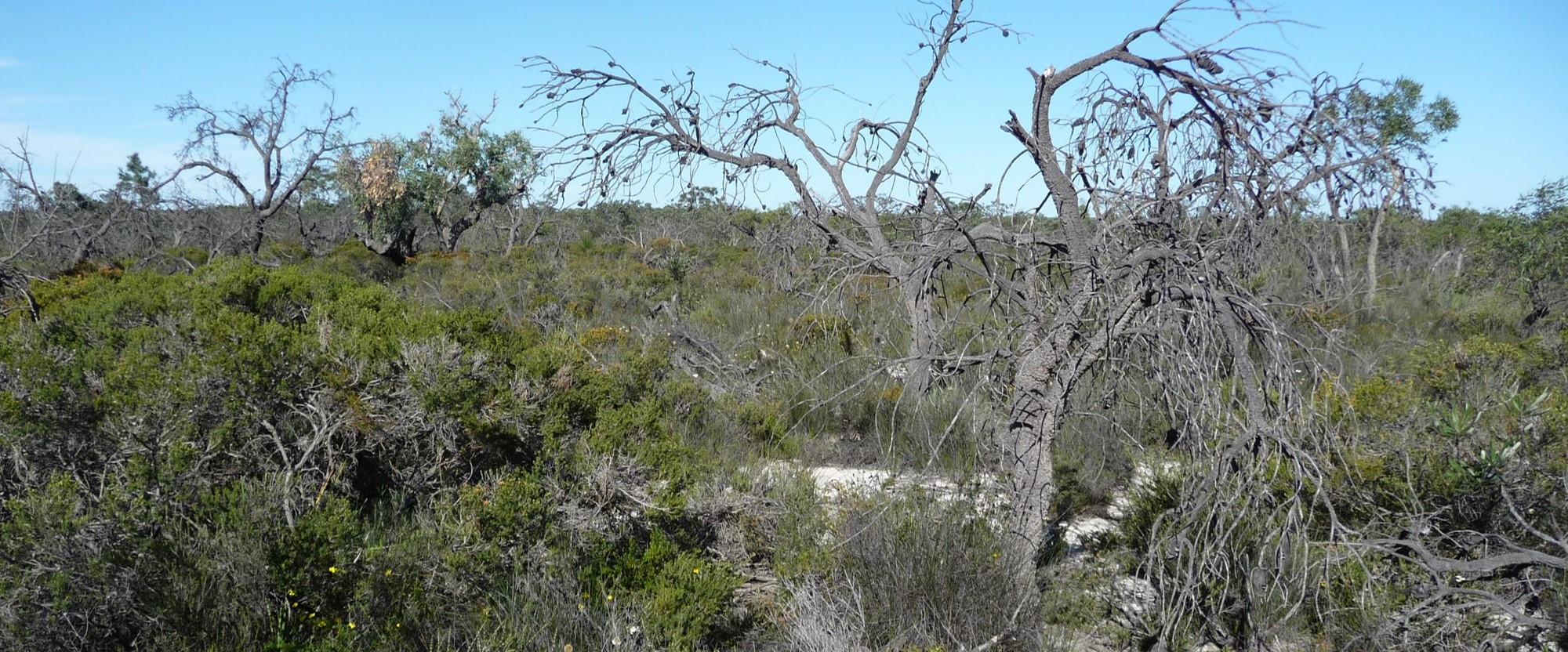
Balocchi F, Wingfield MJ, Paap T. (2026) Occurrence of Phytophthora cinnamomi in the rhizosphere of declining Leucadendron elimense subsp. salteri in South Africa. Forest Pathology 56(4):e70097. 10.1111/efp.70097 PDF
Pham NQ, Wingfield BD, Marincowitz S, Marpaung YMAN, Selebi AP, Tarigan M, Wingfield MJ. (2026) A novel Cryphonectria species (Cryphonectriaceae, Diaporthales) discovered on Eucalyptus, including insights into the mating biology of the genus. Fungal Biology 130:101831. 10.1016/j.funbio.2026.101831
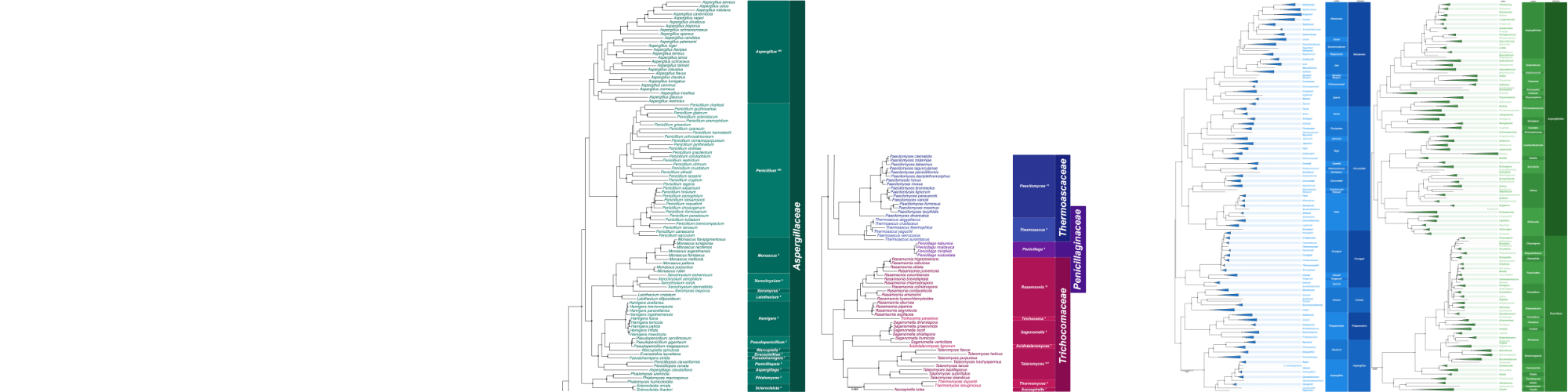
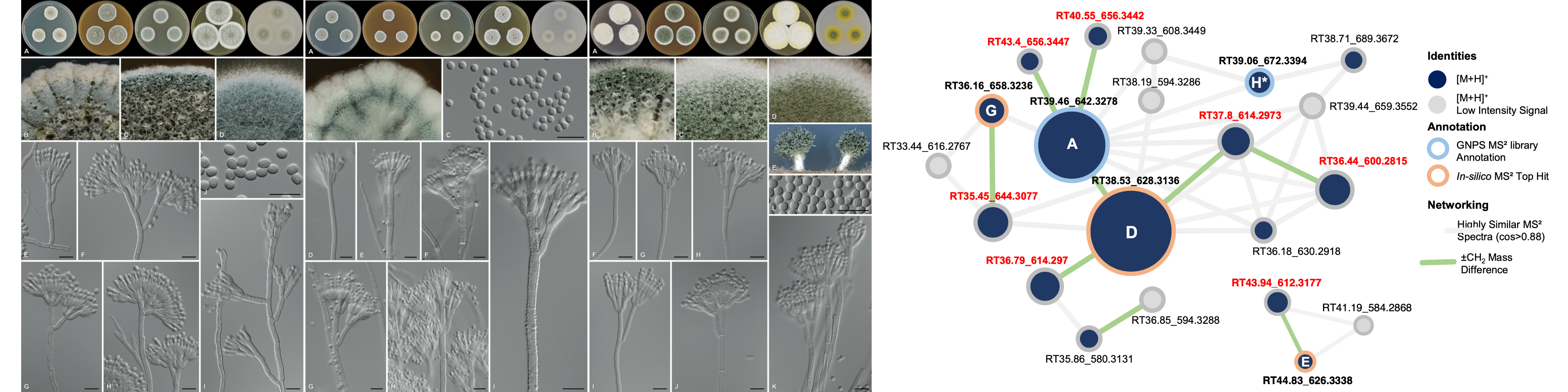
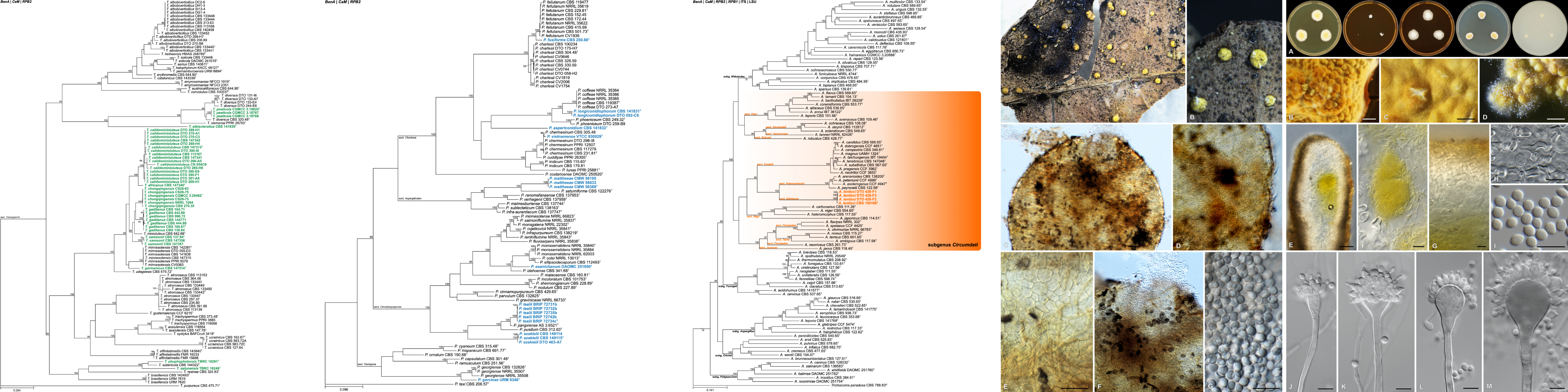
Kim JS, Lee W, Seo CW, Lee JW, Perera RH, Rho SM, Visagie CM, Houbraken J, Lim YW. (2026) A comprehensive assessment of Penicillium diversity in marine environments. Studies in Mycology 115:1–57. 10.3114/sim.2026.115.01
Jami F, Truter M, Pavlic M, Chen SF, Roux J. (2026) Identification of Botryosphaeriaceae species in the South African National Collection of fungi, including a novel species of Oblongocollomyces. African Biodiversity & Conservation 56(1):1-13. PDF
Vettraino AM, Bose T. (2026) Urban green spaces as emerging hotspots for Phytophthora diversity: a global synthesis of host associations, distribution and management gaps. Frontiers in Forests and Global Change 9:1872981. 10.3389/ffgc.2026.1872981
Burgess TI, Wingfield MJ. (2026) Unveiling a hidden menace: Invasive tree pathogens, less known but increasingly threatening Southern hemisphere forests. Annual Review of Phytopathology 64 10.1146/annurev-phyto-011325-100959
Motete T, Solís M, Hammerbacher A, Naidoo S. (2026) Gene expression profiling in Eucalyptus associates Phenylpropanoid resistance to Teratosphaeria destructans. Plant Pathology 10.1111/ppa.70207
Aylward J, Atkins S, Roets F, Danti R, Della Rocca G, Emiliani G, Fraser S, Garbelotto MM, Herron DA, Scali E, Wingfield BD, Wingfield MJ. (2026) High genetic diversity in the Cypress canker pathogen Seiridium cardinale in the Southern Hemisphere. Plant Pathology 75 10.1111/ppa.70212
van Heerden A, Pham NQ, Duong TA, Wingfield MJ, Wingfield BD. (2026) Draft genome sequence of Ganoderma philippii, a serious root rot pathogen of Eucalyptus in Southeast Asia. Australasian Plant Pathology 55:81. 10.1007/s13313-026-01159-1
Schoeman C, Roodt D, Mc Menamin A, Bezuidt O, Dithugoe C, Pinard D, Mizrachi E. (2026) Conserved symbiosis-associated genes in the cycad Encephalartos natalensis suggest co-option for cyanobacterial symbiosis. New Phytologist 10.1111/nph.71311
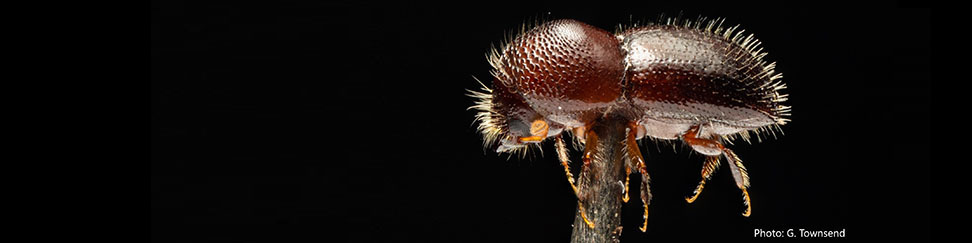
Townsend G, Hill M, Hurley BP, Roets F. (2026) Native Scolytinae and Platypodinae beetle assemblages in indigenous South African forests and their co-occurrence with the invasive PSHB beetle. Journal of Insect Conservation 30 10.1007/s10841-026-00779-8
Botha I, Maduna SN, Hagen SB, Lall N, Berger DK. (2026) 3RAD-guided SNP discovery for species identification and conservation of the medicinal southern African tree Genus Greyia Hook. & Harv.. Ecology and Evolution 16(5):e73412, 1-29. 10.1002/ece3.73412
Balocchi F, Duncan G, Yilmaz N, Wingfield MJ, Paap T. (2026) The critically endangered geophyte Gladiolus aureus threatened by a wilt disease associated with Fusarium libertatis. Journal of Plant Pathology 10.1007/s42161-026-02227-7 PDF
Bose T, Wingfield MJ. (2026) Plantations are invasive pathogen bridgeheads—response to Li et al.. Trends in Ecology & Evolution 10.1016/j.tree.2026.05.006
Jamieson B-A, Paap T, Pegg GS, Carnegie AJ, Wingfield MJ, Roux J, Hardy GEStJ, Drenth A, Hammerbacher A, Bose T. (2026) Quambalaria spp.: Emerging Tree Pathogens of Concern. Current Forestry Reports 12:13. 10.1007/s40725-026-00274-y