








FABI News

FABI Events

FABI in a nutshell

Research Features

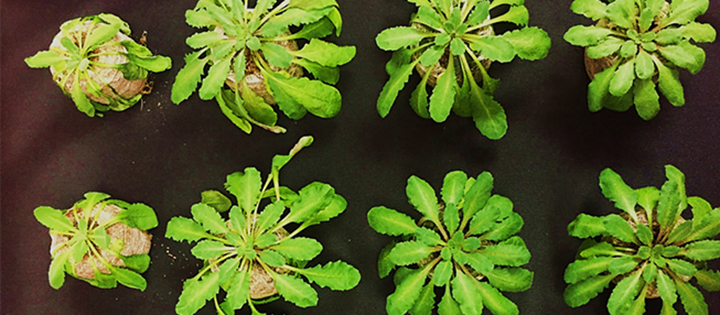
The overall aim of this project is to develop a joint training and cutting edge research program based on "state of the-art", technologies that will strengthen the research partnership between the University of Pretoria in South Africa, the Leeds University, UK and VIB Ghent, Belgium in legume improvement, which is of major agronomic importance both in the EU and in Africa. This aim will be achieved through short and longer-term periods of staff exchanges between the African and European partners and networking activities between the three institutions. The ultimate goal of this project is to achieve more rapid progress in advancing current knowledge and concepts through joint endeavour leading to joint-author high citation index publications and possibly also patents. In this way we will establish a long-term research cooperation between the three institutions based on active technology and scientific knowledge application and transfer.

In general, nodule development is a complex process that has been insensitively studied for many years. However, key questions remain concerning the orchestration of bacterial infection, nodule development and nodule senescence in relation to the senescence of the whole plant. As with other major crops, grain legume production can be severely restricted by environmental stresses. However, little information is available on the mechanisms that cause the breakdown of symbiosis particularly during stress. The mechanisms that trigger the end of symbiosis in development-dependent and stress-induced nodule senescence remain to be characterised.

This project is focused on nodule development from the point where the bacteria are taken up by the plant cells, develop into bacteroids within symbiosomes and start to fix atmospheric nitrogen to the point where symbiosis ends and the nodules loose the ability to fix atmospheric nitrogen. Although the initial steps of nodule development, mediated by the bacterial Nod factors have been intensively studied, relatively few traits that have the potential to contribute or enhance nitrogen fixation in agricultural practices have been characterised in terms of molecular and protein biology. This project will address this issue directly and contribute to current knowledge and concepts of nodule development and sustainability. The proposed joint research effort is based on the interfacing and interdisciplinary skills and knowhow of each of the partners.

New Publications

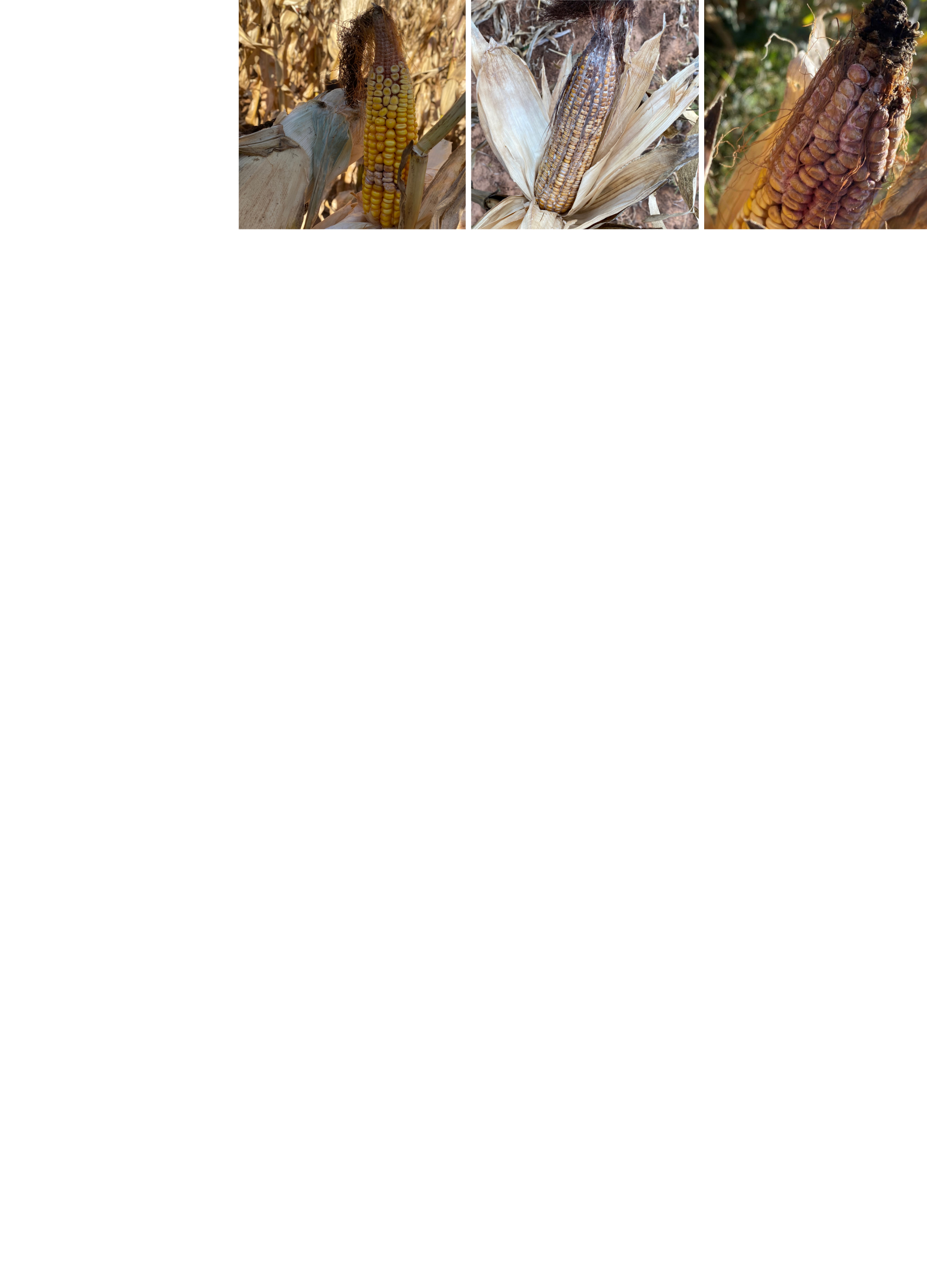
Nadasen TR, Hein I, Berger DK. (2026) Structural phylogenetics identifies conserved effector families and cell death-inducing proteins from Cercospora zeina. Molecular Plant-Microbe Interactions First Look 10.1094/MPMI-05-26-0048-R
Mbamali SKS, Mohlomi N, Van Der Nest MA, Mchunu NP, Permaul K. (2026) Reciprocal Genome Projection Reveals Reference-Conditioned Functional Variation in Clinical Aspergillus Section Nigri Isolates. Pathogens 10.3390/pathogens15090941
Schertler A, Lenzner B, Dullinger S, Moser D, García-Rodríguez A, Krisai-Greilhuber I, Voglmayr H, Bufford JL, Santini A, Ghelardini L, Capinha C, Reino L, Wingfield MJ, Thines M, Talhinhas P, Dawson W, van Kleunen M, Kreft H, Pergl J, Pyšek P, Weigelt P, Winter M, Essl F. (2026) Are novel and co-xenic associations common in alien fungal and fungus-like plants pathogens?. New Phytologist 10.1111/nph.71455
Thango S, Nsibo DL, Berger DK, Visagie CM, Slippers B. (2026) Phenotypic variation in the in vitro and in planta aggressiveness traits among Exserohilum turcicum strains from South Africa. Plant Pathology 75(4):e70257. 10.1111/ppa.70257
Bradshaw MJ, Paul A, Villani S, Bensch K, Mitchell KJ, Pfister DH, Visagie CM, Garfinkel AR, Quesada-Ocampo L, Aime MC, Braun U. (2026) Modern taxonomy as the foundation for identifying and managing fungal and fungus like plant pathogens. Plant Disease 10.1094/PDIS-12-25-2537-FE
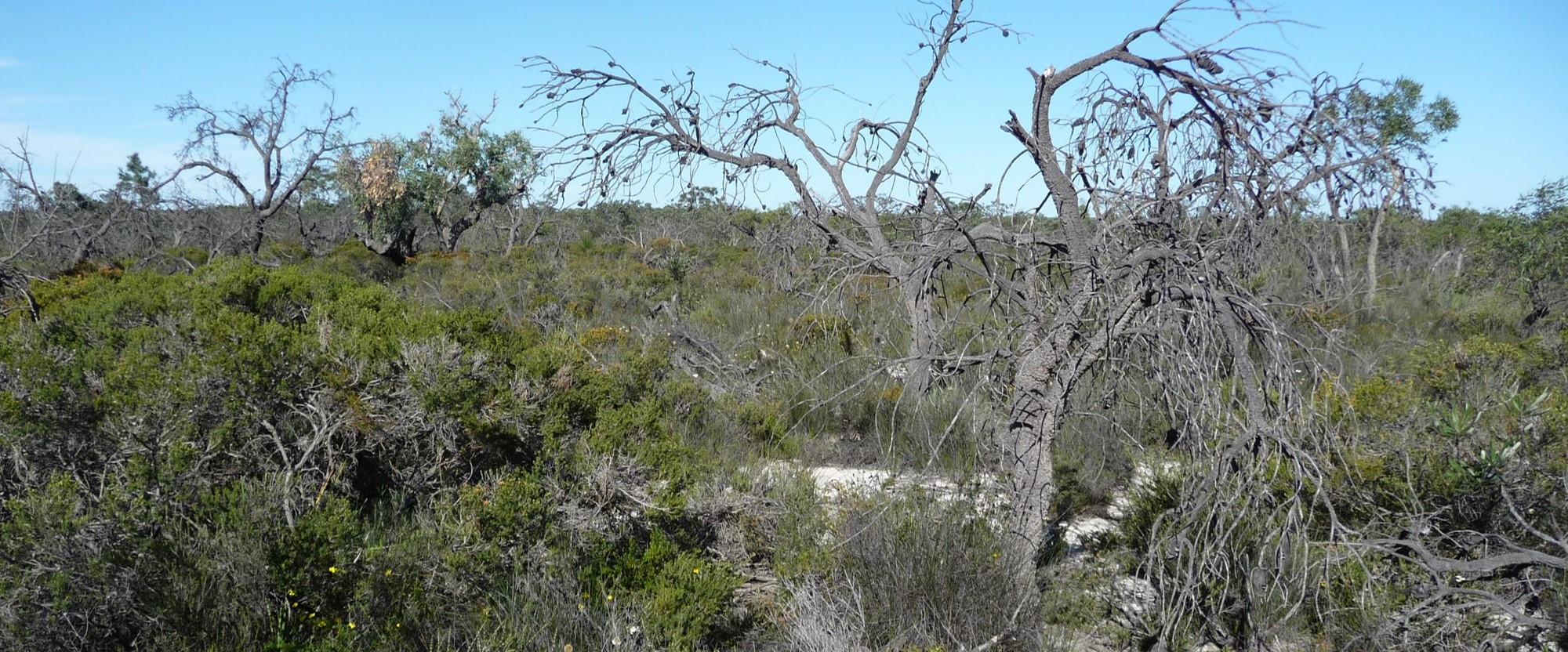
Balocchi F, Wingfield MJ, Paap T. (2026) Occurrence of Phytophthora cinnamomi in the rhizosphere of declining Leucadendron elimense subsp. salteri in South Africa. Forest Pathology 56(4):e70097. 10.1111/efp.70097 PDF
Pham NQ, Wingfield BD, Marincowitz S, Marpaung YMAN, Selebi AP, Tarigan M, Wingfield MJ. (2026) A novel Cryphonectria species (Cryphonectriaceae, Diaporthales) discovered on Eucalyptus, including insights into the mating biology of the genus. Fungal Biology 130:101831. 10.1016/j.funbio.2026.101831
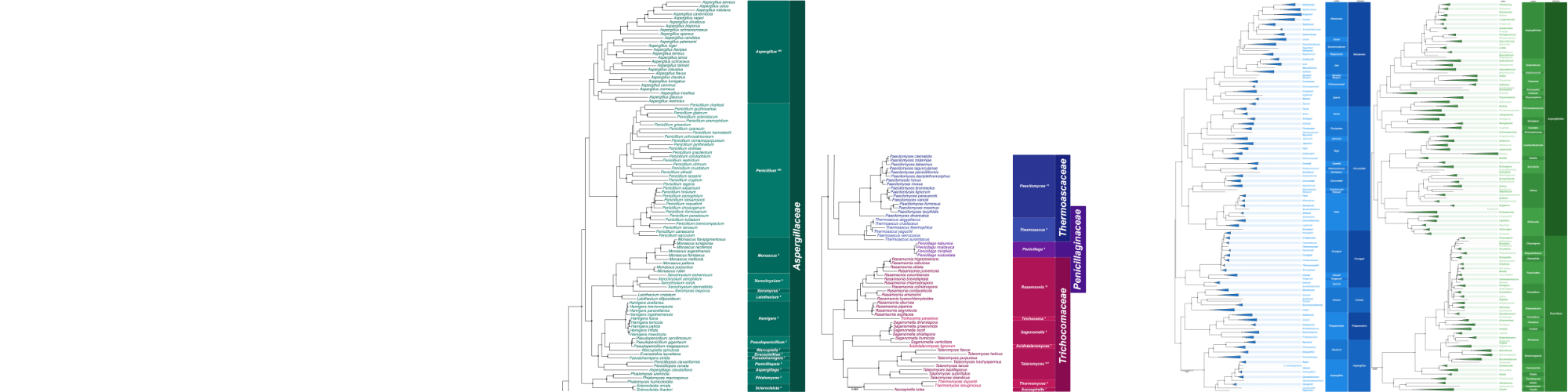
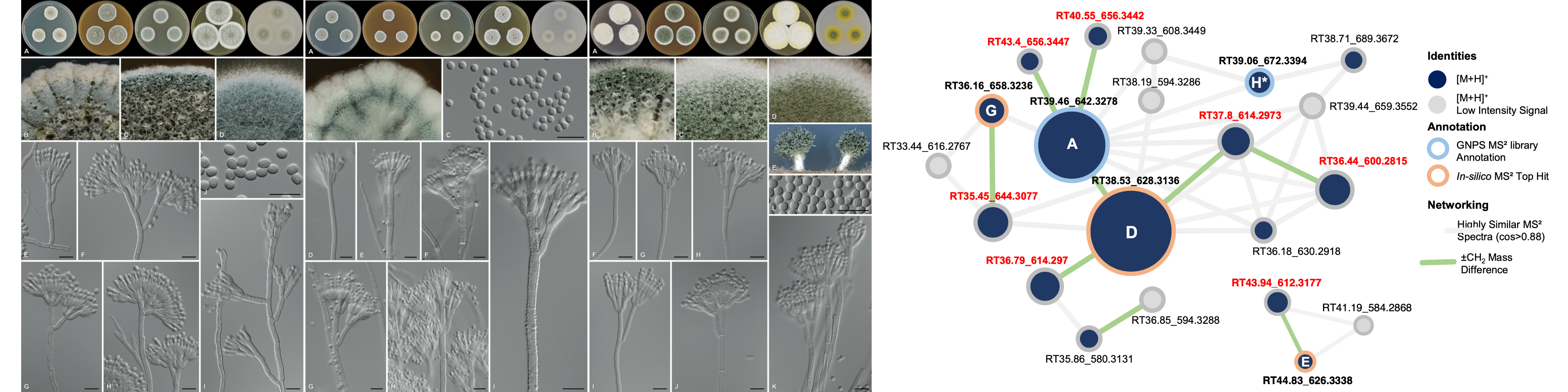
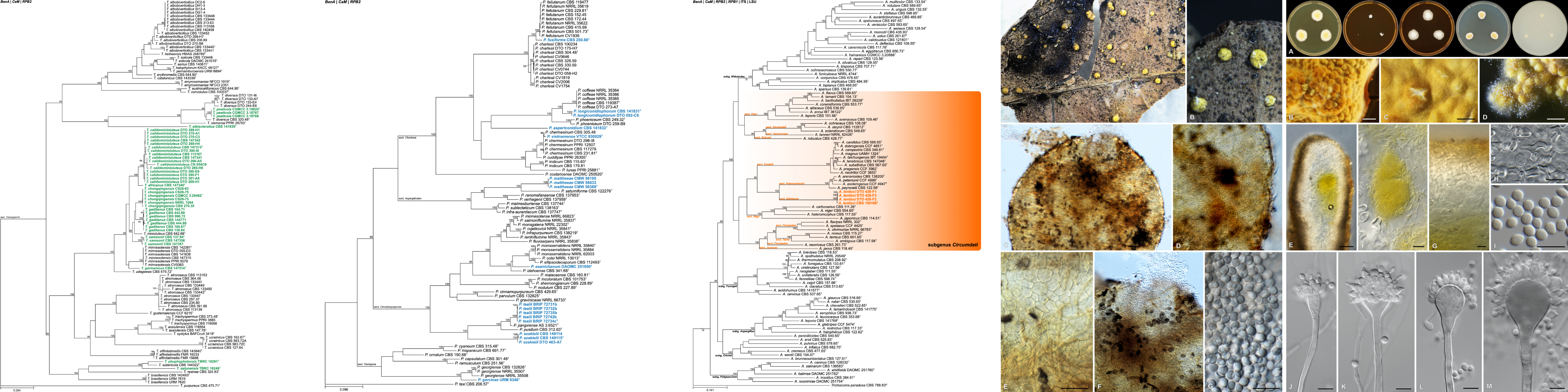
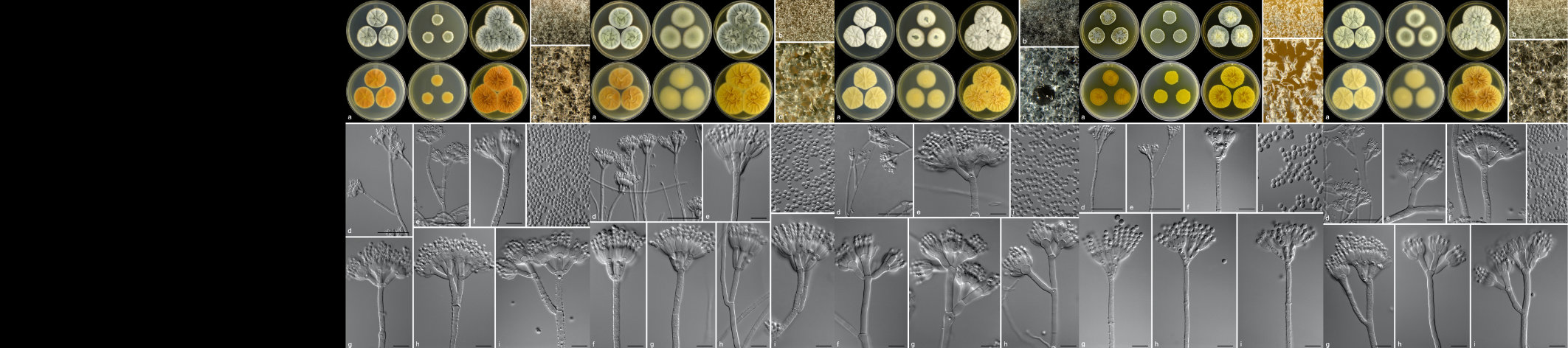
Kim JS, Lee W, Seo CW, Lee JW, Perera RH, Rho SM, Visagie CM, Houbraken J, Lim YW. (2026) A comprehensive assessment of Penicillium diversity in marine environments. Studies in Mycology 115:1–57. 10.3114/sim.2026.115.01
Jami F, Truter M, Pavlic M, Chen SF, Roux J. (2026) Identification of Botryosphaeriaceae species in the South African National Collection of fungi, including a novel species of Oblongocollomyces. African Biodiversity & Conservation 56(1):1-13. PDF
Vettraino AM, Bose T. (2026) Urban green spaces as emerging hotspots for Phytophthora diversity: a global synthesis of host associations, distribution and management gaps. Frontiers in Forests and Global Change 9:1872981. 10.3389/ffgc.2026.1872981