

Economics of biodiversity loss in South Africa: A “think tanking” exercise 2026-02-23
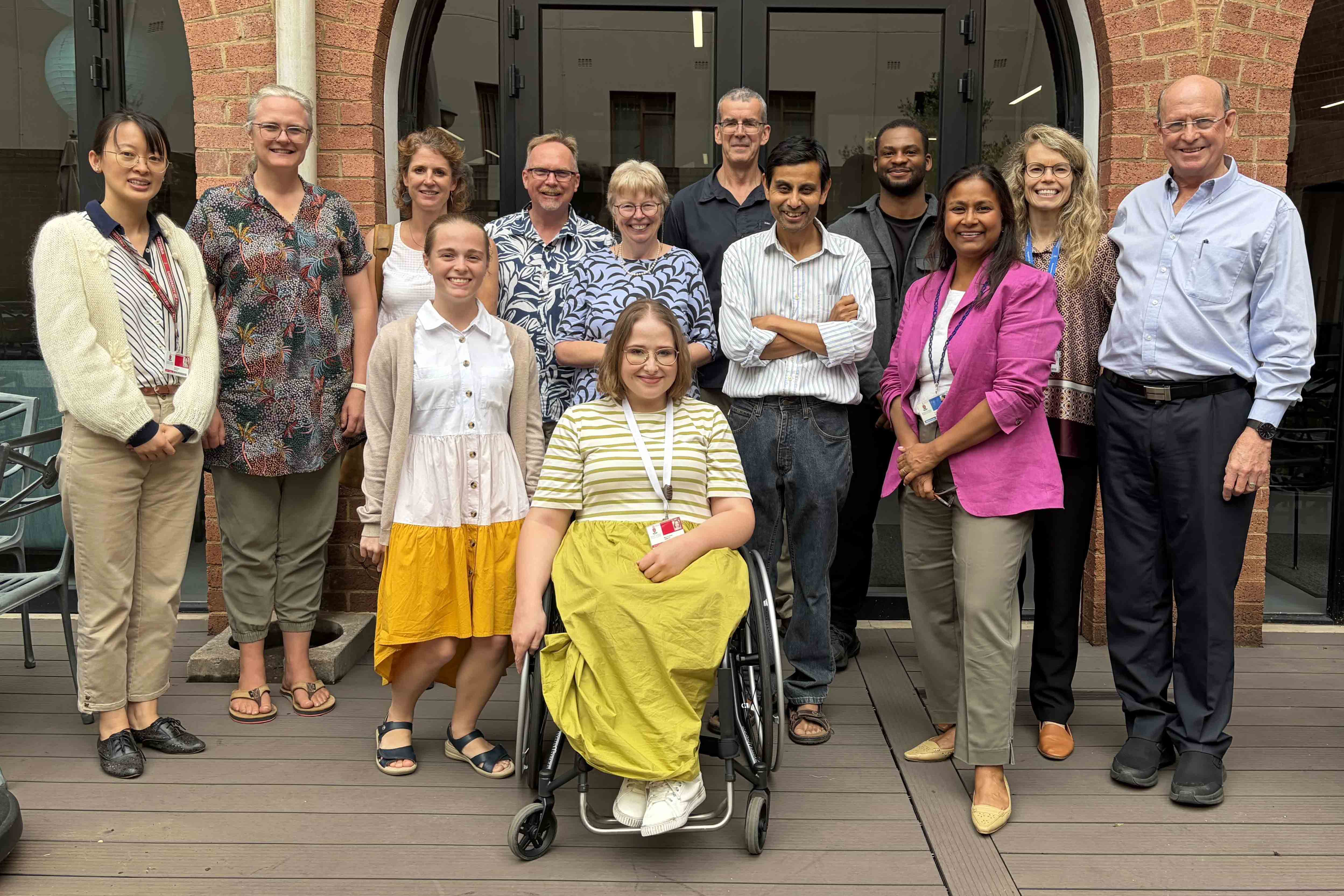
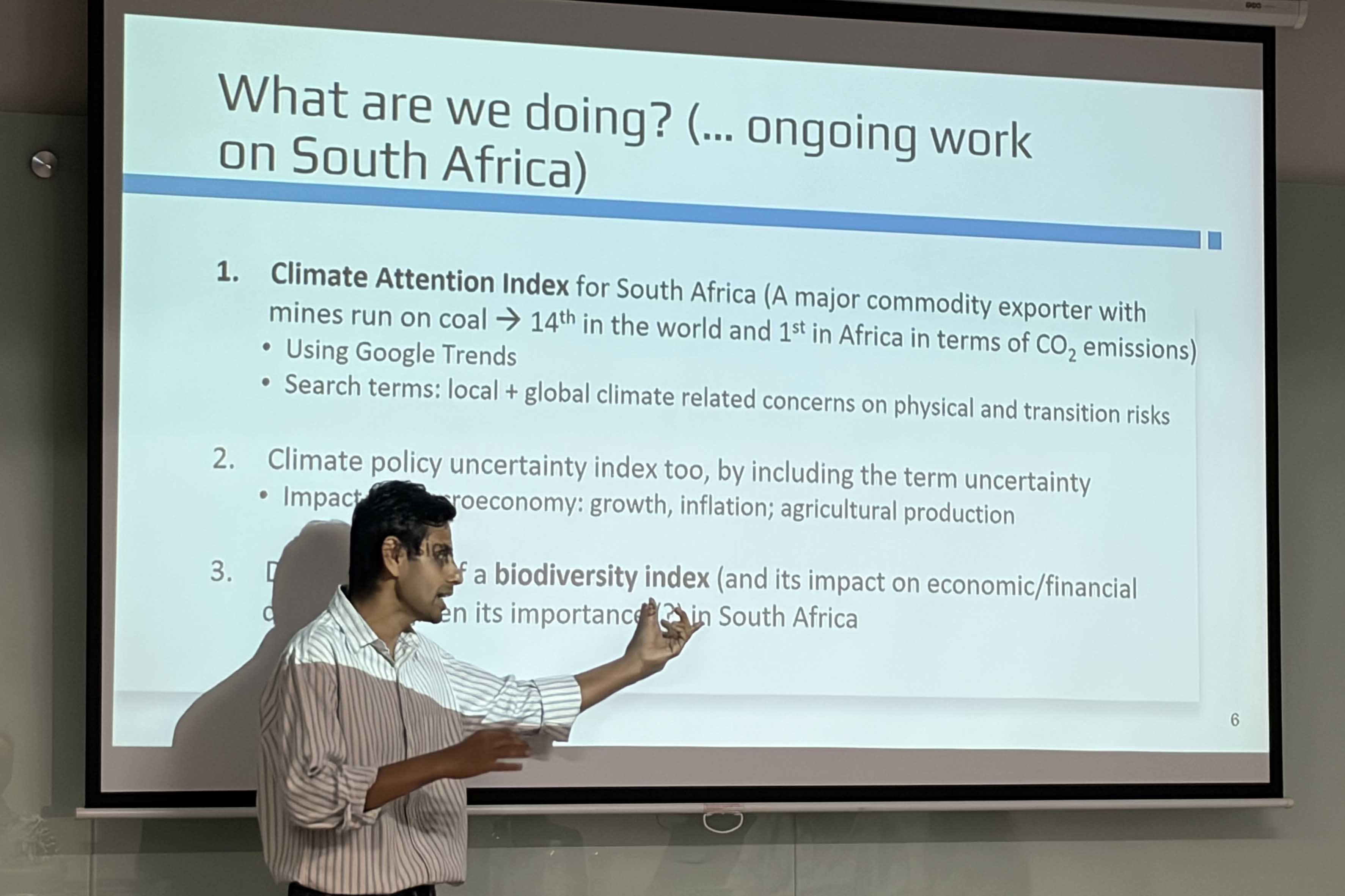
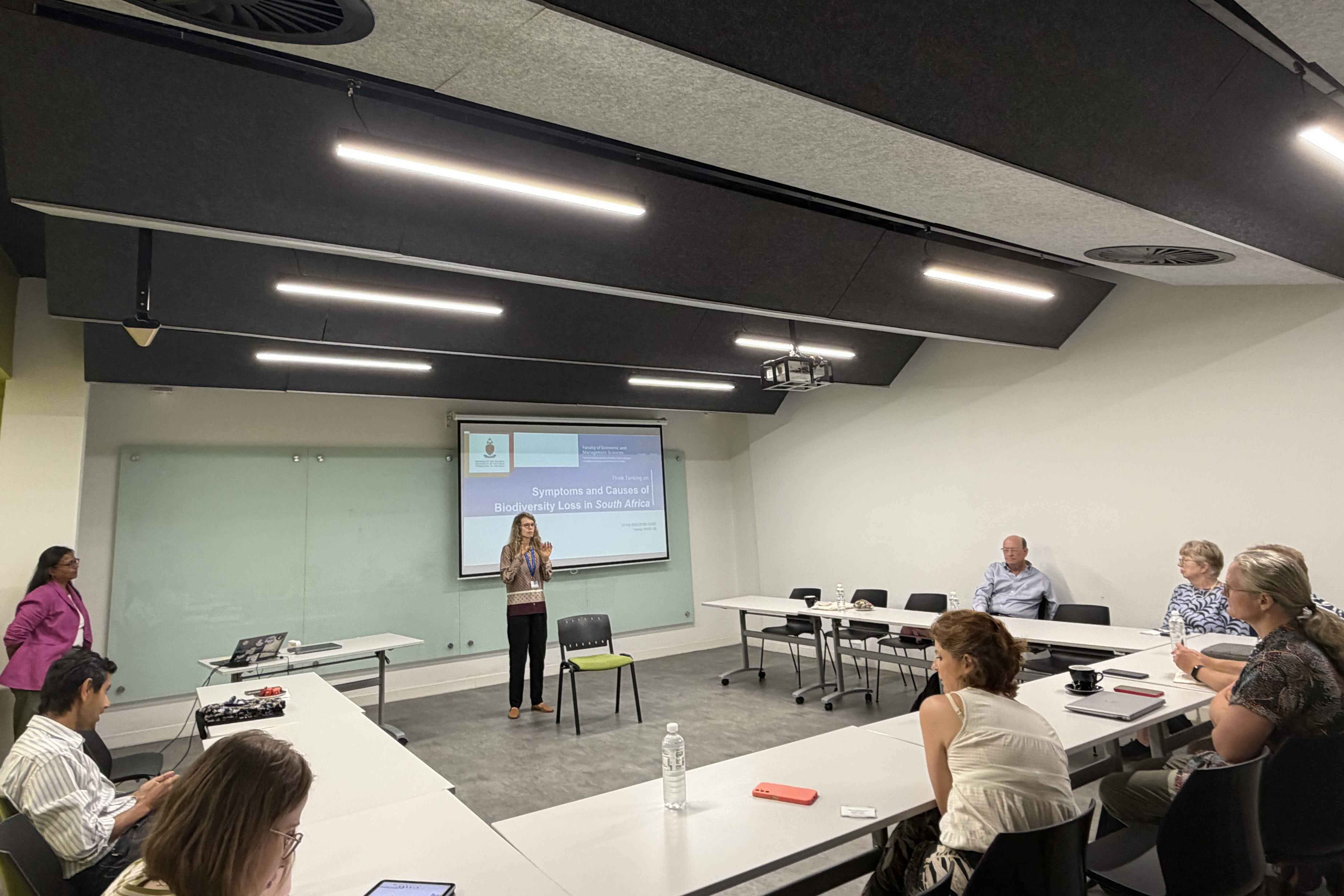
On 13 February, FABI researchers, Professors Brenda and Mike Wingfield joined Professors Adrian Schrader, Michelle Greve, Andrew McKechnie and Natalie Haussmann to share their perspectives on biodiversity loss in South Africa with colleagues from the Faculty of Economic and Management Sciences (EMS). The event formed part of a “think tanking” exercise organised by Professors Rangan Gupta and Sonali Das together with Beverley Wingfield.
The session focused on the theme “Symptoms and causes of biodiversity loss in South Africa”. Drawing on expertise across plant pathology, conservation biology, invasion ecology, evolutionary biology and climate impacts, the discussion moved beyond general concern to interrogate what biodiversity loss looks like in practice: the warning signs, the ecological tipping points, and the structural drivers reshaping South Africa’s natural systems.
Against this background, participants considered a deeper and more unsettling question: if biodiversity loss in South Africa is unfolding before our eyes, are our economic and financial systems recognising it… or are they sleepwalking past it?
The exercise forms part of a broader series of international studies exploring biodiversity risk and its economic and financial implications. Globally, researchers are increasingly examining whether biodiversity degradation constitutes a material risk to firms, industries and capital markets, and whether such risks are reflected in asset prices, corporate disclosures, lending decisions and investment strategies. Yet, in emerging markets such as South Africa, empirical evidence remains limited.
The “think tank” marked an important first step in bridging ecological science and economic analysis. Before biodiversity risk can be modelled, disclosed or priced, it must first be clearly understood. By bringing together leading natural scientists and economists, the initiative seeks to clarify the mechanisms, signals and transmission channels through which ecological degradation may translate into economic vulnerability. The session will inform ongoing research aimed at developing South African-specific measures of biodiversity attention and risk, and at investigating whether financial markets and institutions are adequately accounting for nature-related uncertainty. Further engagements, including dialogues with finance professionals and industry stakeholders, are planned for this interdisciplinary research programme. They also mark an important component of promoting transdisciplinary research at the University of Pretoria as well as further afield.