

FABI Director completes Humboldt research visit to Germany 2026-07-06
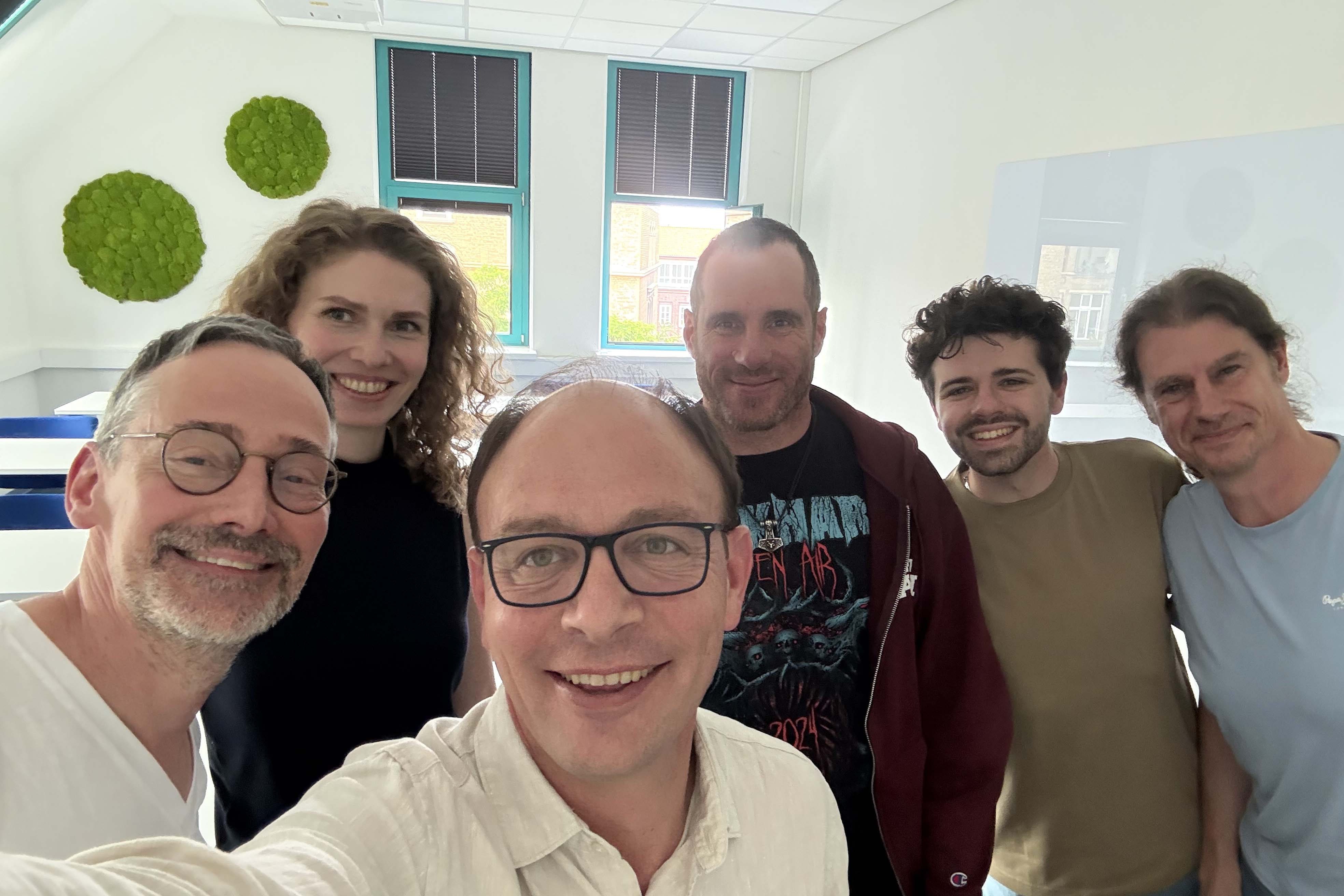
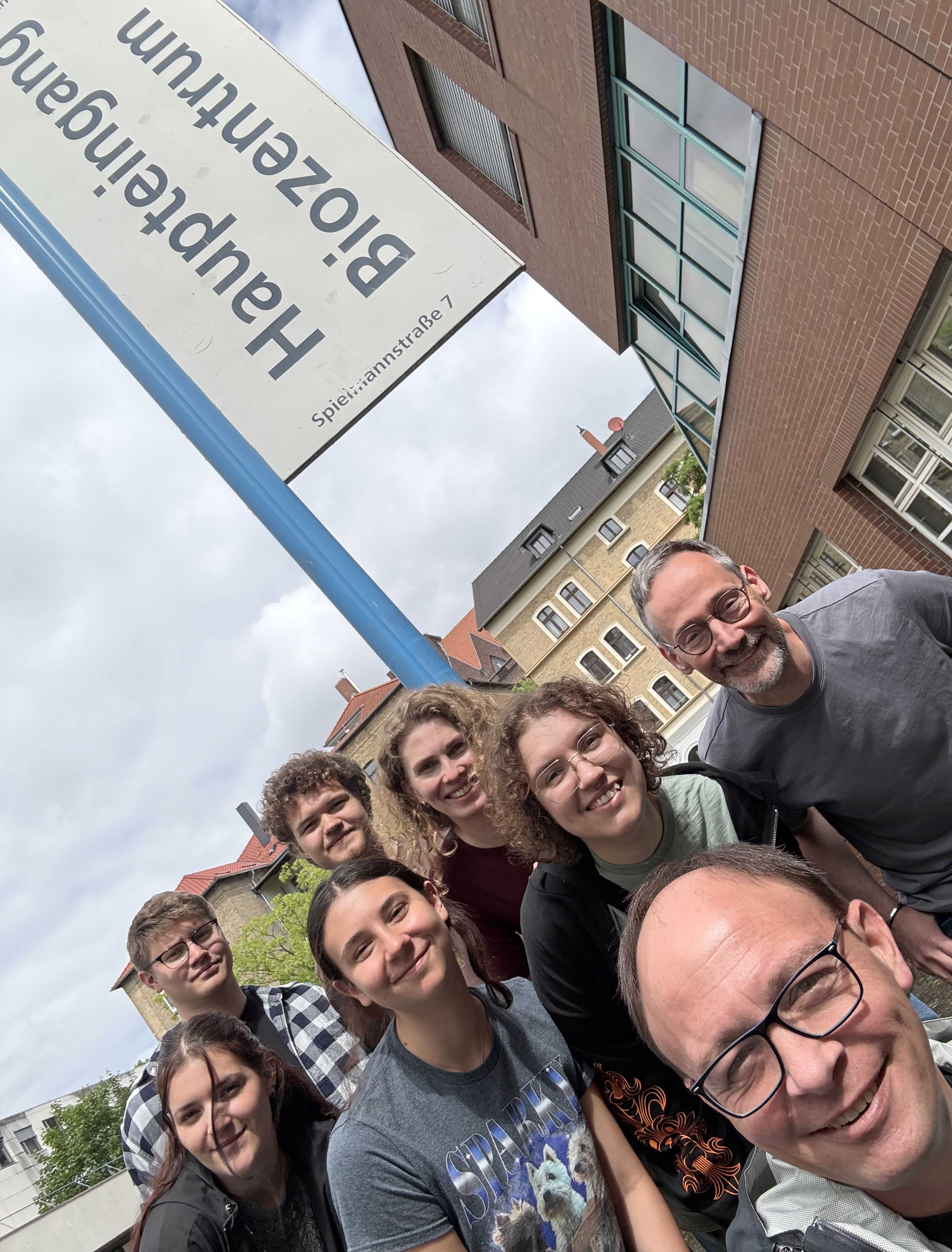
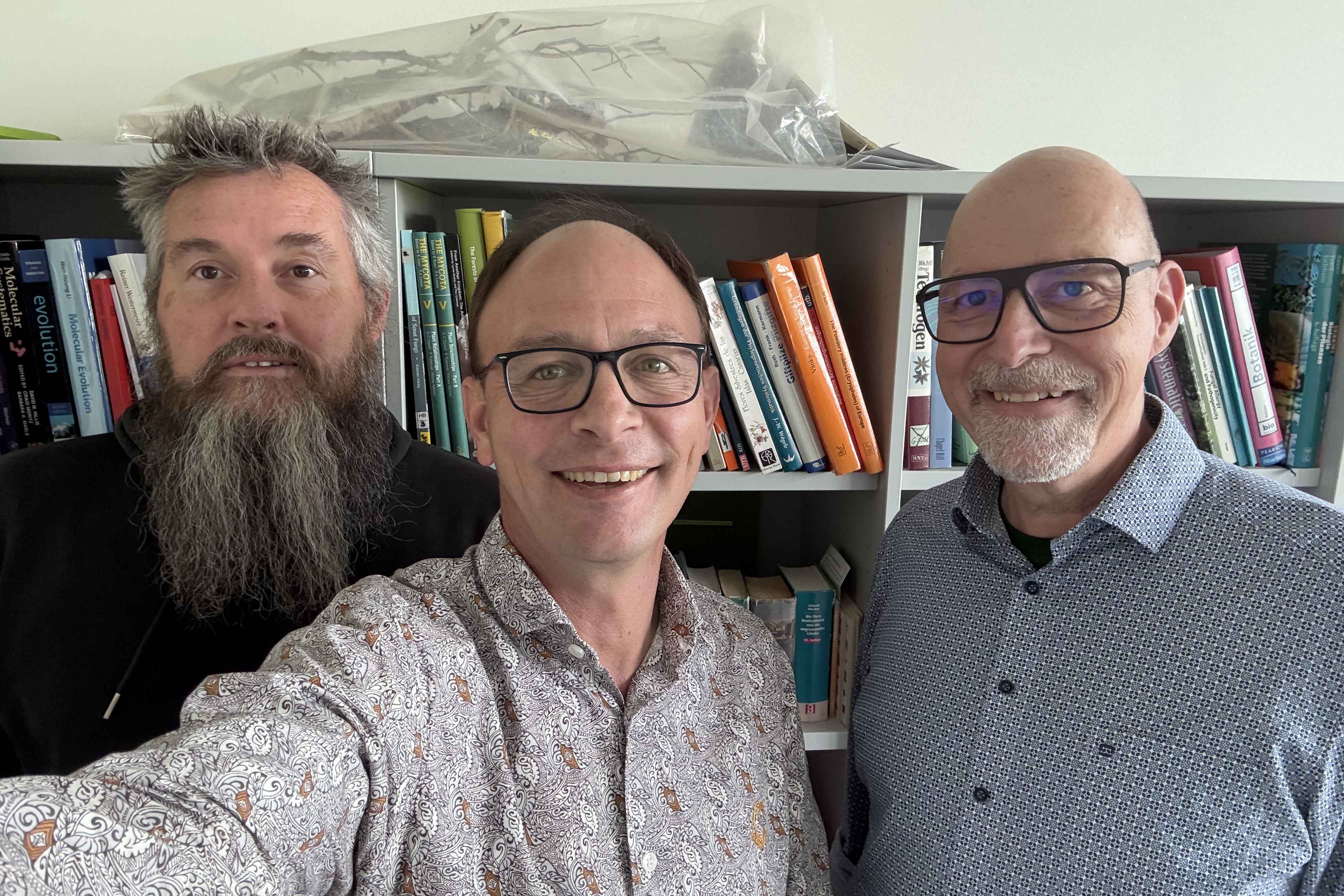
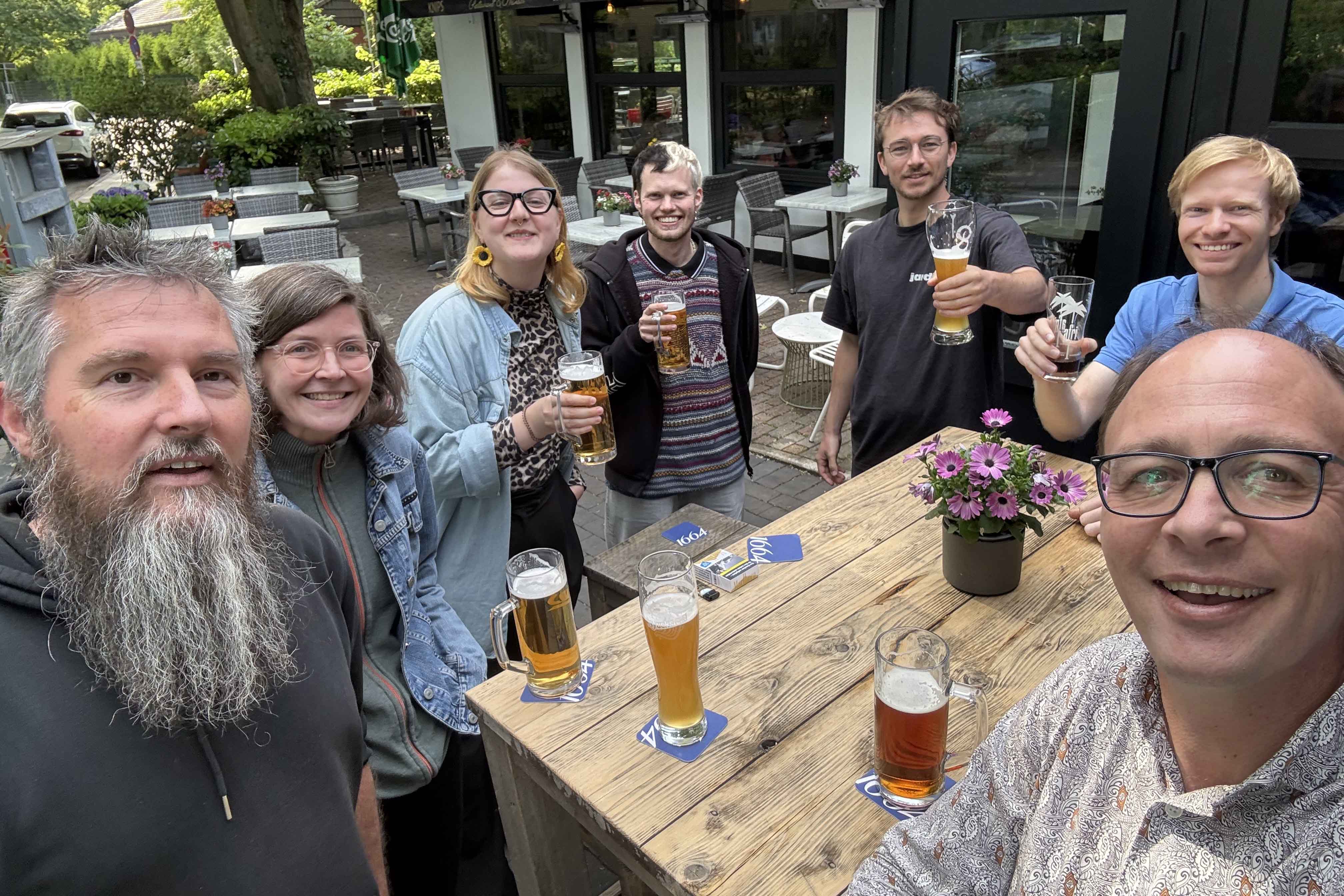

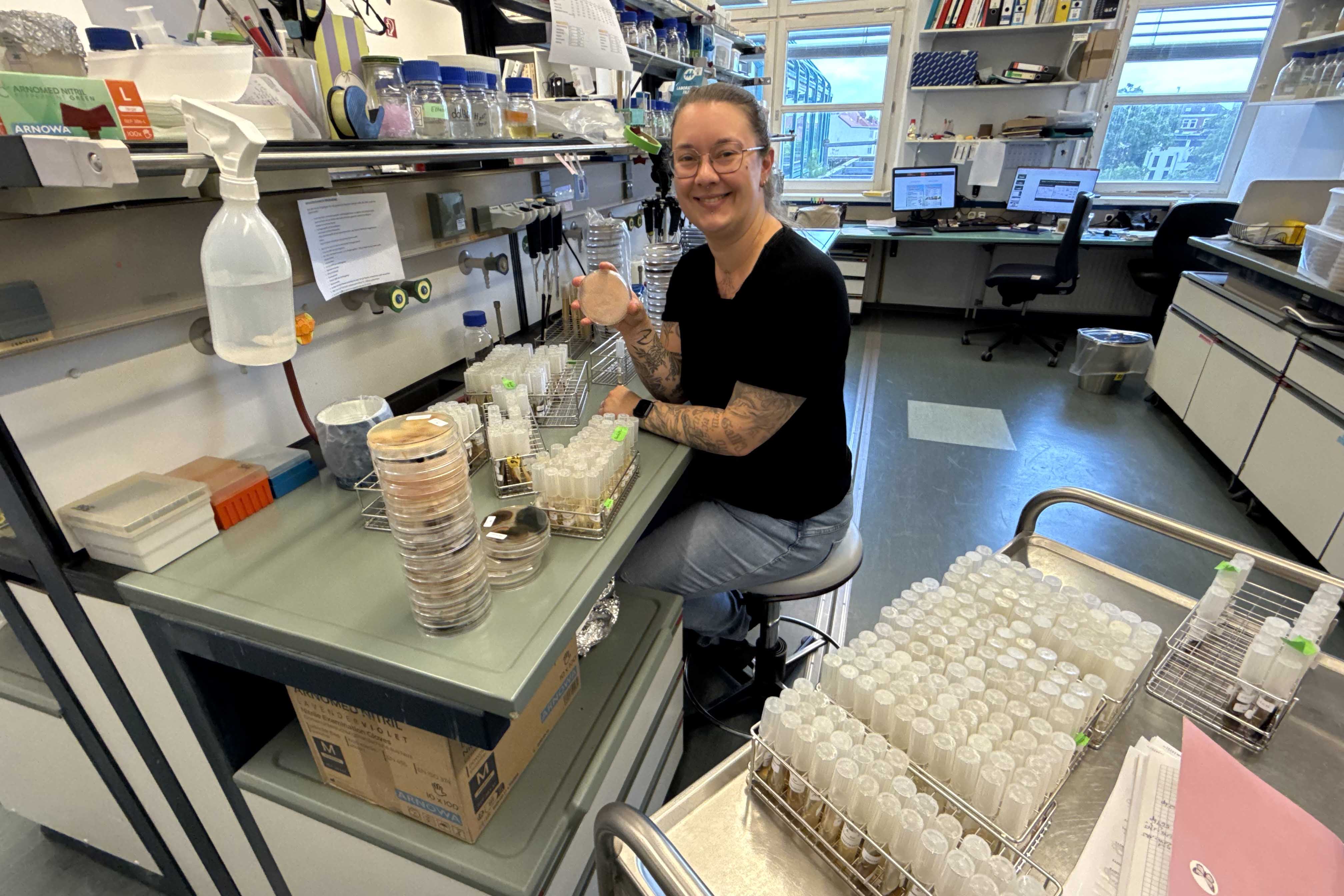
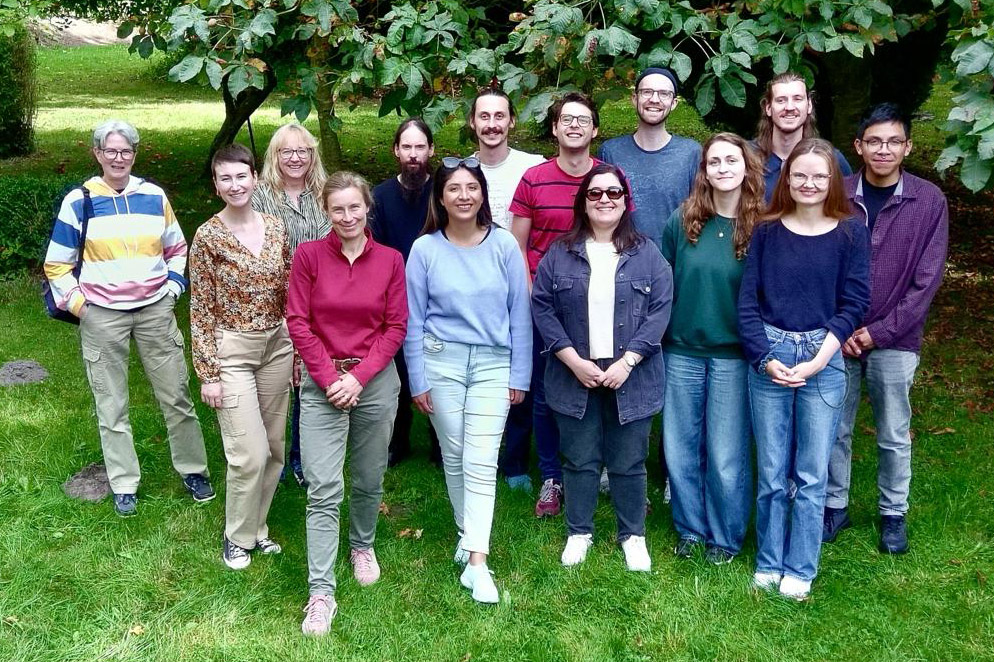
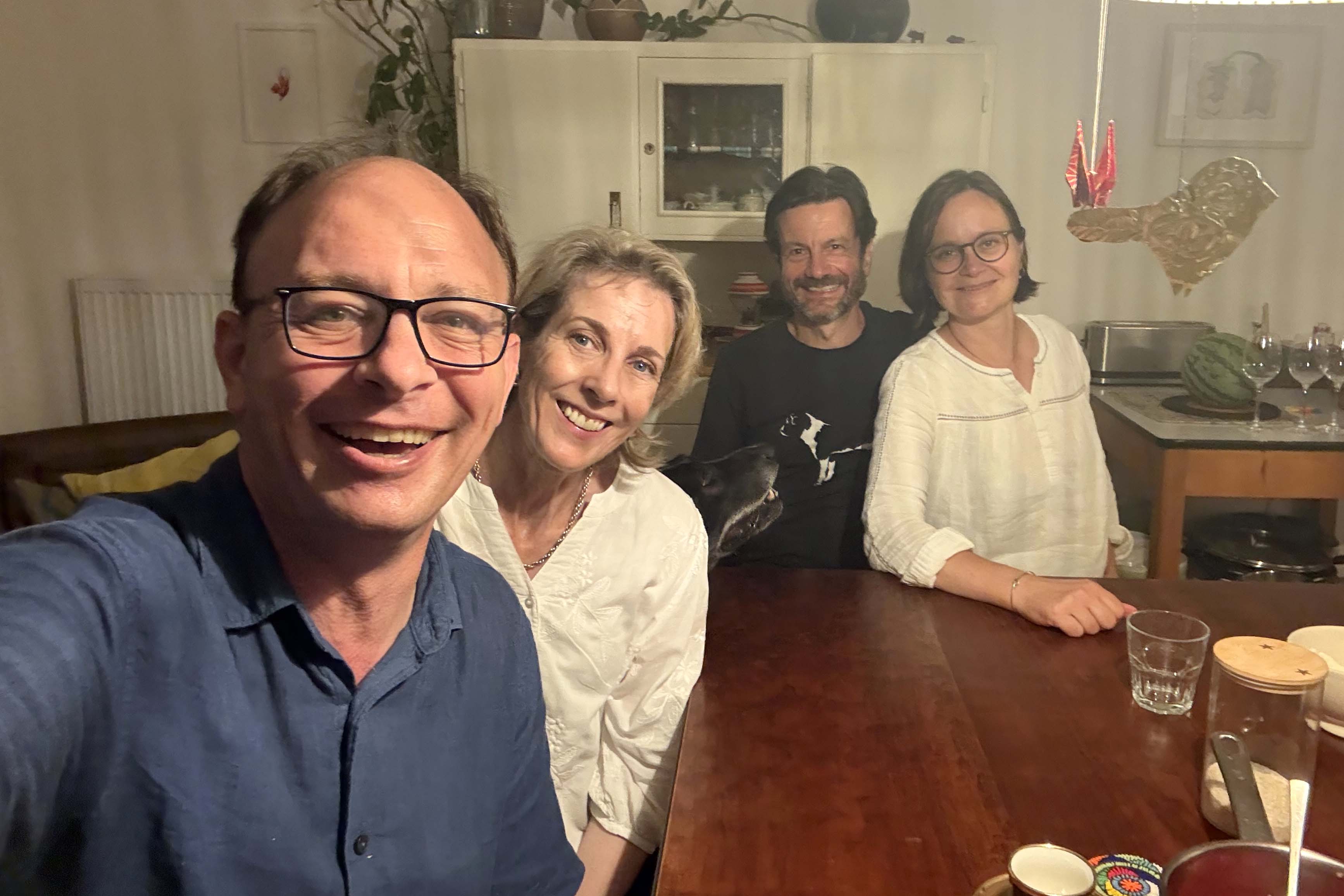
Professor Bernard Slippers, Director of the Forestry and Agricultural Biotechnology Institute (FABI) at the University of Pretoria, recently completed a research visit to Germany as part of his Alexander von Humboldt Foundation Research Award and the German Global Minds Initiative. The visit was hosted at Technische Universität Braunschweig, where Prof. Slippers worked with Prof. André Fleißner and colleagues on collaborative research focused on forest health, fungal pathogens and plant-associated microbiomes in a changing environment.
The visit formed part of a growing collaboration between FABI, the University of Pretoria, Technische Universität Braunschweig and a wider network of German research institutions. The research aims to better understand interactions at the microscale between forest trees, fungal pathogens and associated microbial communities, and how these interactions influence forest health under changing climatic and environmental conditions. A central goal is to develop model systems for fungal forest pathogens that connect molecular and cellular biology with landscape-scale ecology, helping forest pathology move from observation towards mechanism.
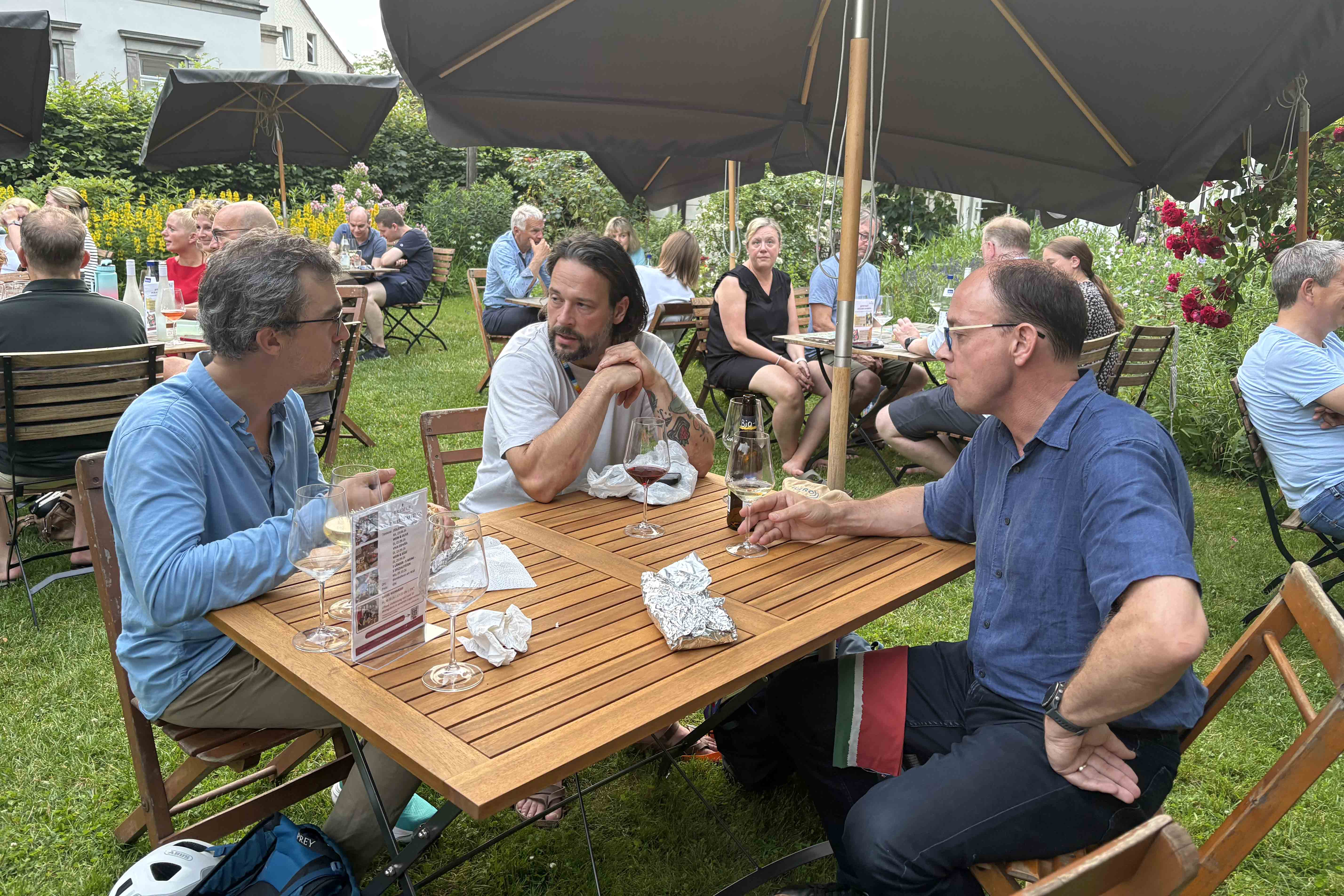
During the visit, Prof. Slippers also engaged with colleagues at several leading German institutions, including the Julius Kühn-Institut, the Helmholtz Centre for Infection Research, the University of Hamburg, Kiel University and the University of Göttingen. These visits included discussions with the research groups of Prof. Dominik Begerow and Dr Martin Kemler (ex-FABIan) at the University of Hamburg, Prof. Eva Stukenbrock (UP Extraordinary Professor) and Prof. Christian Henning at Kiel University, Dr Rasmus Enderle and Dr Wolfgang-Maier (ex-FABIan) at the Julius Kühn-Institut, and Prof. Marc Stadler at the Helmholtz Centre for Infection Research. The exchanges focused on shared interests in plant-associated fungi, plant pathology, microbiomes, fungal biology and plant–microbe interactions, as well as opportunities for future collaboration.
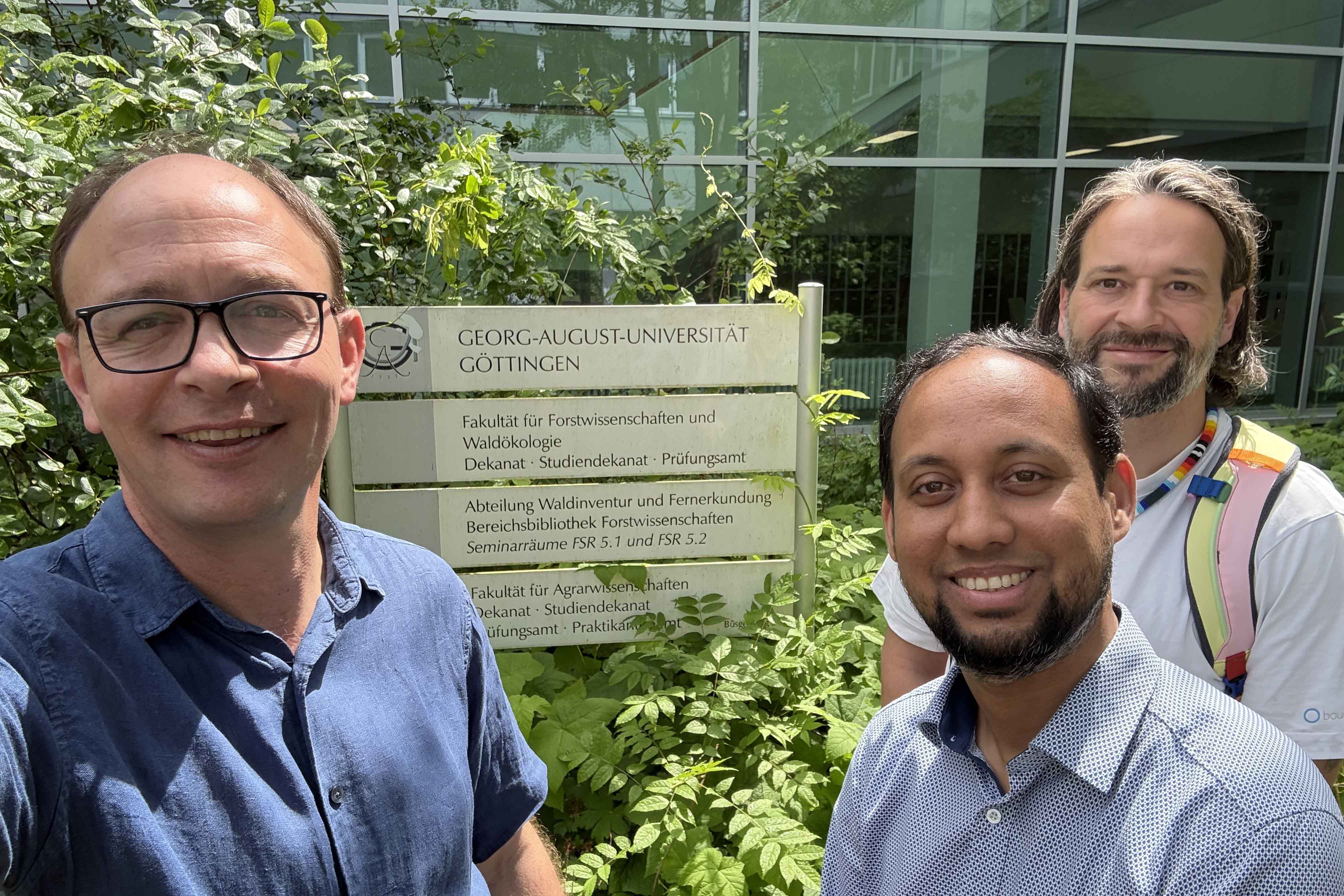
At the University of Göttingen, Prof. Slippers was hosted by colleagues in the Faculty of Forest Sciences and Forest Ecology, including Dr René Heim, Prof. Chhana Ullah and Prof. Alexey Mikaberidze. He presented a talk titled “How do latent pathogens reshape forest health in a changing climate?”, which brought together colleagues working in forest ecology, plant pathology, entomology, remote sensing, agricultural sciences and data science. The discussions highlighted the importance of interdisciplinary approaches to understanding and managing tree and plant health in a rapidly changing world.
The visit concluded with the Alexander von Humboldt Foundation Annual Meeting in Berlin, held under the motto “Connected for Impact”. The meeting brought together more than 600 Humboldtians from 70 countries and provided an opportunity to engage with the wider Humboldt Network, which includes more than 32,000 researchers globally. Prof. Slippers noted that the visit provided valuable time to strengthen long-standing partnerships, develop new connections and explore future consortium ideas between FABI, UP and German partners at the intersection of biotic and abiotic stress, host biology, microbial communities and social-ecological systems in forest health.