

Special Seminar by a leading plant pathologist, Prof. Dilantha Fernando 2026-07-10
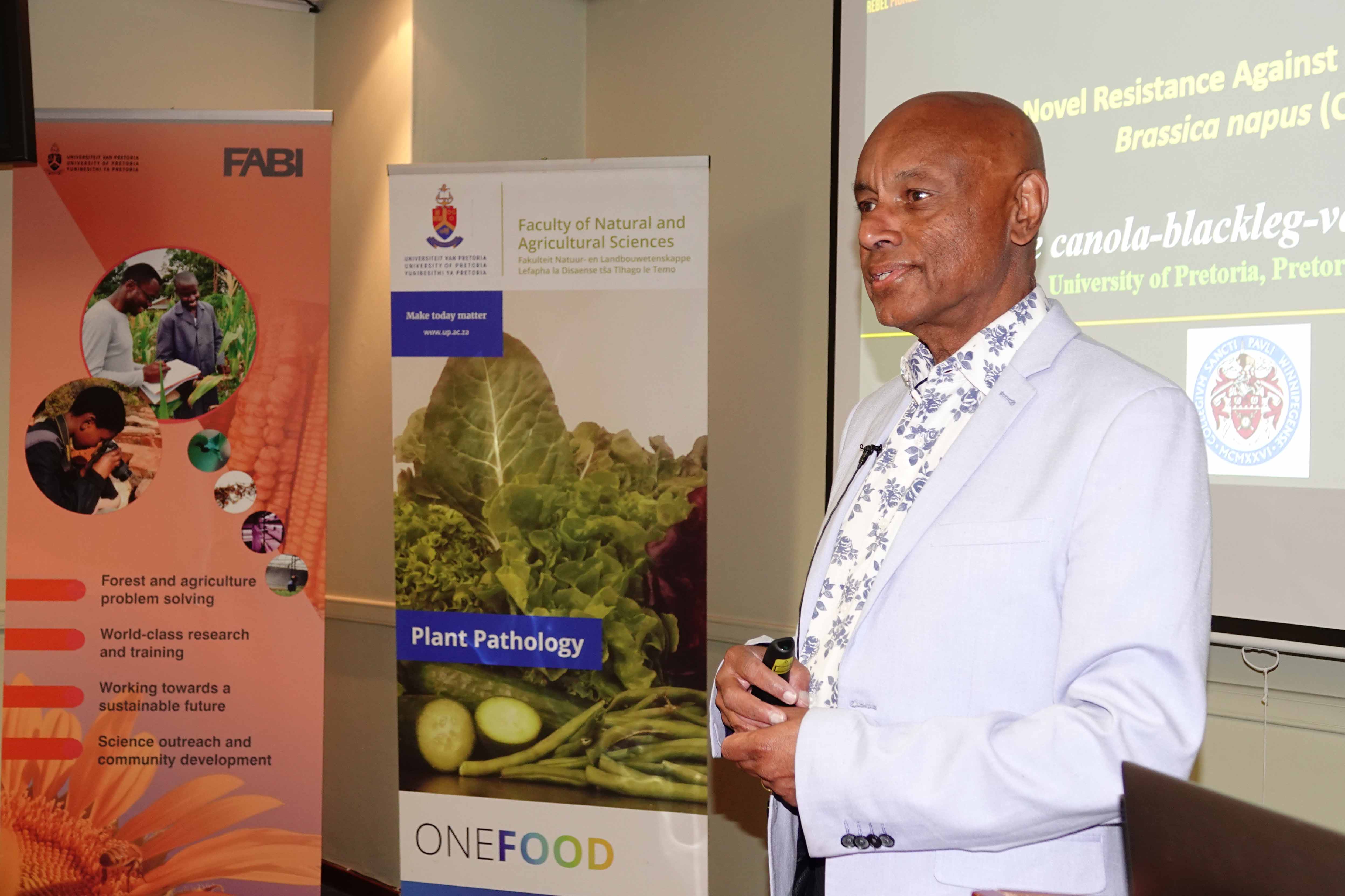
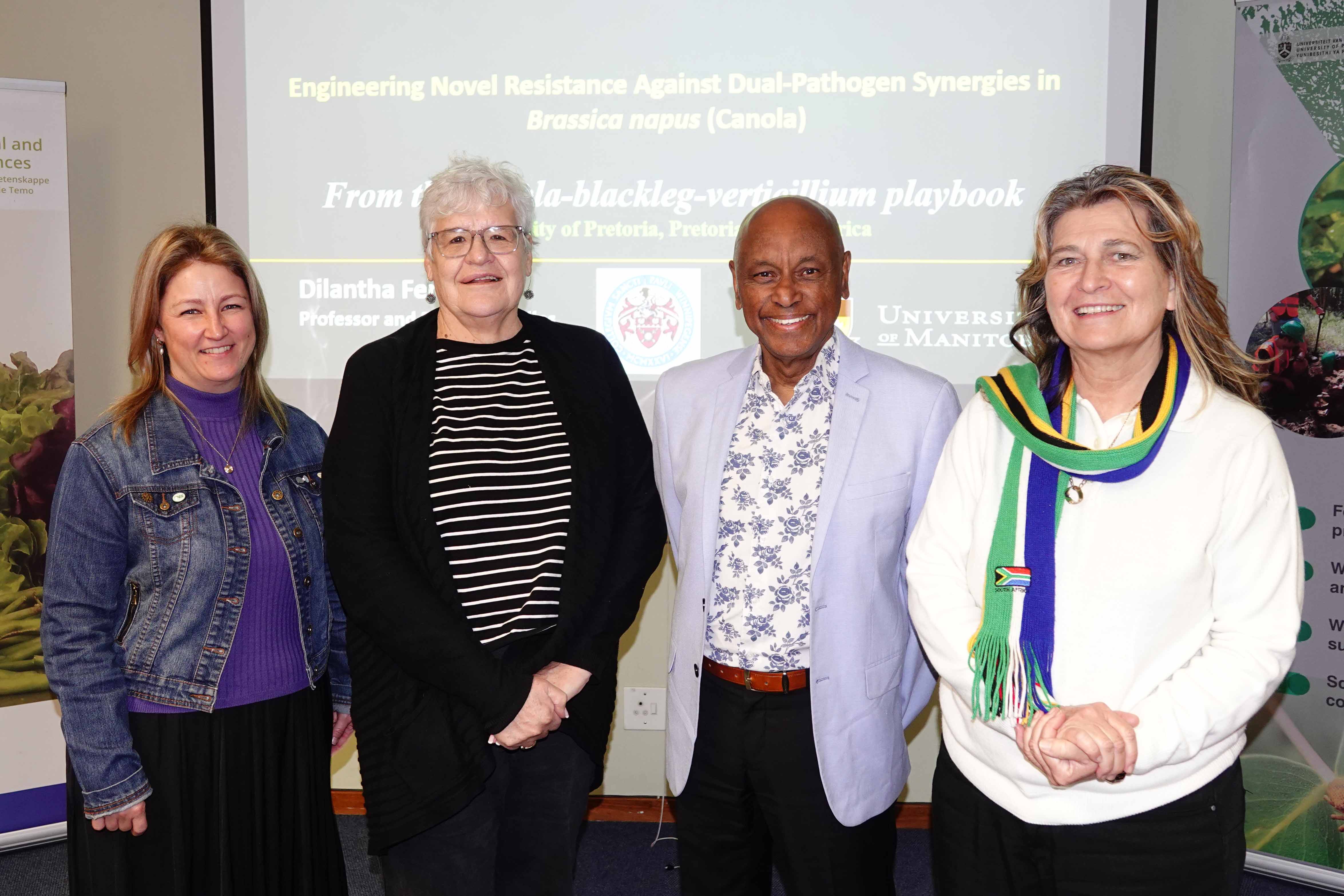
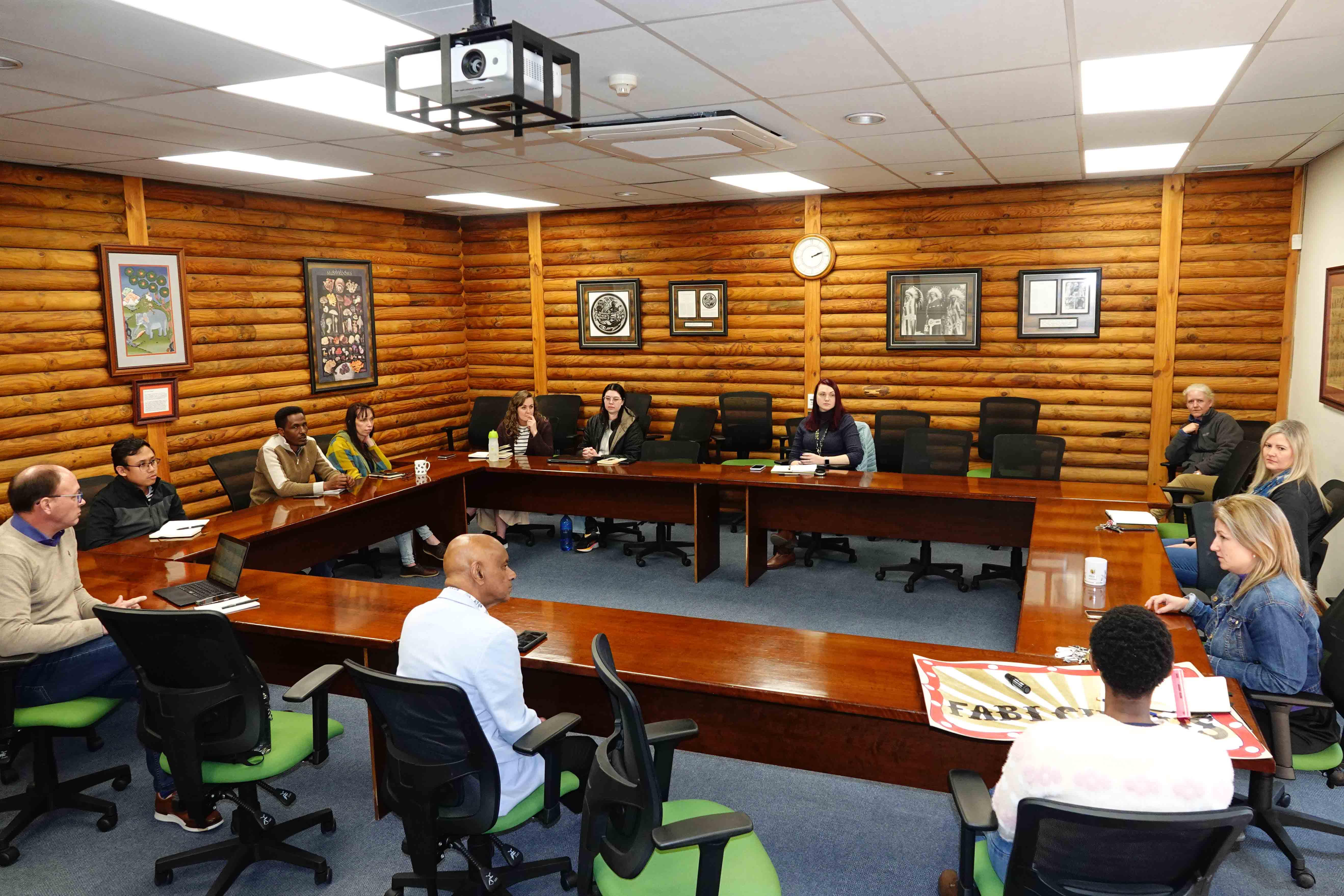
The Department of Plant and Soil Sciences and FABI hosted a joint special seminar “Engineering novel resistance against dual-pathogen synergies in Brassica napus (Canola)” by Prof. Dilantha Fernando on 8 July. He also hosted a round table discussion in FABI before being taken on a tour of the Institute. Prof. Fernando is Dean of Studies at St. Paul’s College at the University of Manitoba and a full professor and plant pathologist in the Department of Plant Science at the University of Manitoba and named in the top 2% of researchers worldwide for career impact by Stanford University rankings. He is also the current Editor-in-Chief of Plant Pathology, the flagship journal of the British Society of Plant Pathology (BSPP).
Prof. Fernando is an internationally renowned host-pathogen interaction researcher and has studied numerous pathogens impacting Canola, Barley and wheat, including canola-blackleg, canola-Verticillium, canola-Sclerotinia, wheat fusarium head blight, wheat-bacterial leaf streak (BLS), barley-FHB, and barley-BLS. He has also been associated with identifying R-genes in canola in Canada, introducing a new disease management strategy in Canada.
His seminar gave a broad overview of the research focussed on Canola health being done in his research laboratory. Canola is a special biotype of rapeseed (a member of the Brassicaceae family) with the word “canola” being derived from “Canadian oil, low acid”. Canola is an important oil seed crop in Canada with 23 million acres planted in the prairie regions of the country.