





My research group is using a number of bioinformatic, in vitro and reverse genetics tools to decipher transcriptional networks underlying wood formation and the biological functions of key transcription factors. The questions we are addressing include what genes are directly regulated by transcription factors linked to wood formation in Eucalyptus, the roles transcription factors play in regulating co-expression networks underlying wood formation, what effects their gain- or loss of function has on wood development and tree growth, and whether we can identify novel transcription factors, especially those preferentially retained in woody plants, that regulate wood formation.
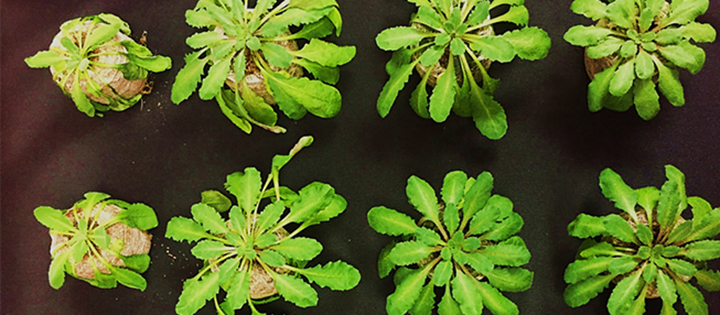
Transforming Arabidopsis plants and hybrid Populus trees with Eucalyptus transcription factor candidates and promoters has been an important reverse genetics platform for my group. We’ve also adopted and implemented emerging technologies such as DNA Affinity Purification sequencing (DAP-seq) to increase the throughput of transcription factor target gene identification, or the use of Eucalyptus hairy root transformation to overcome the recalcitrance of eucalypt transformation and obtain vascular phenotypic data for an increased number of transcription factor candidates. My group has also generated a number of epigenomic data (histone modifications, accessible chromatin) for developing xylem in Eucalyptus to provide genome-wide information on chromatin structure and transcriptional states.
We’ve invested heavily into building synthetic biology resources to help move forest biotechnology to a state of synthetic biology “readiness”, mainly by converting Eucalyptus genes and promoters into standardized biological parts that are compatible with popular DNA assembly methods. We’ve produced 286 such standardised parts in partnership with the US Department of Energy Joint Genome Institute. Such a repertoire of parts gives us considerable flexibility in building complex multigene constructs and promoter-controlled expression of transgenes.