

















Pest/Pathogen of the Month: November
Scientific name: Berkeleyomyces basciola and B. rouxiae
Common names: Black root rot
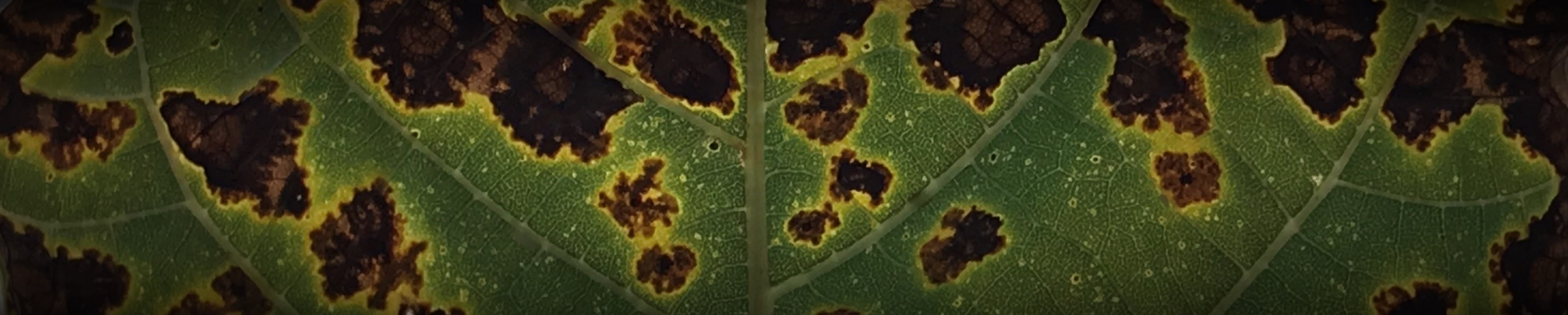
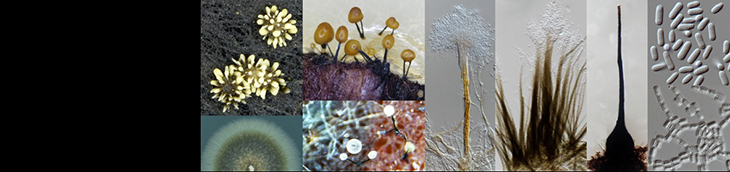
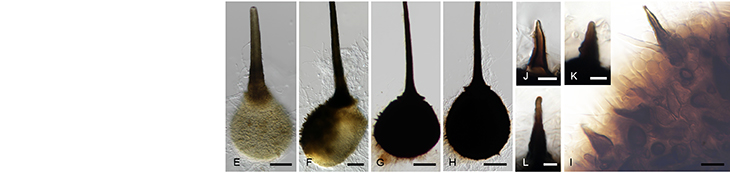
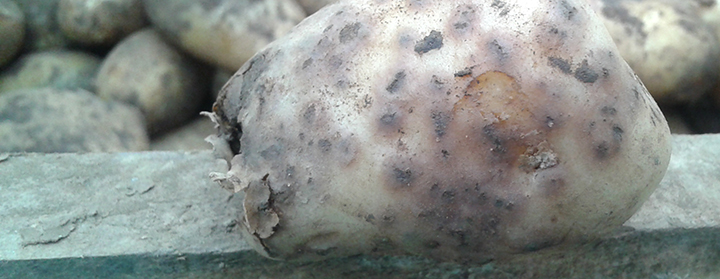
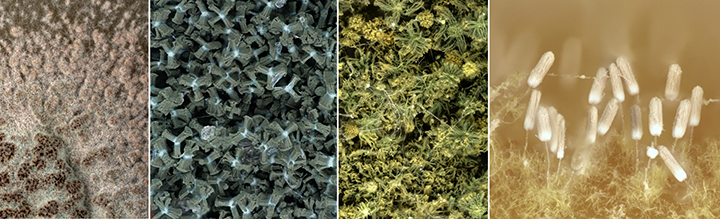
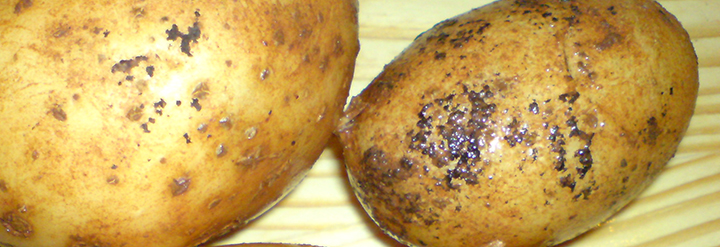
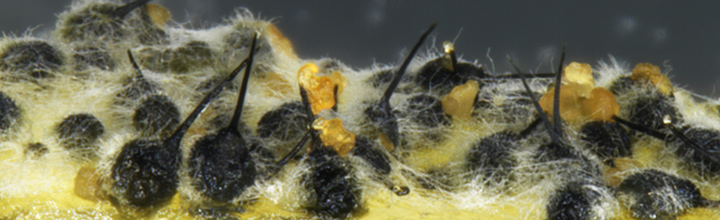
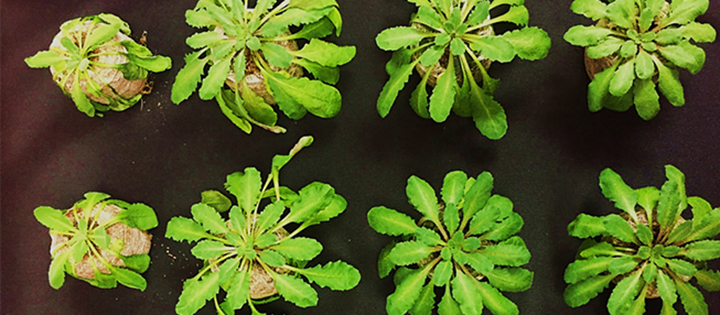
Black root rot is a fungal disease caused by two species from the genus Berkeleyomyces. These species are hemibiotrophic pathogens that penetrate living root tissue before killing them to obtain nutrients. Coalescing necrotic lesions lead to black discolouration of the roots, the character to which the disease attributes its name. Thus far, black root rot has been reported on more than 170 agricultural and ornamental plant species.
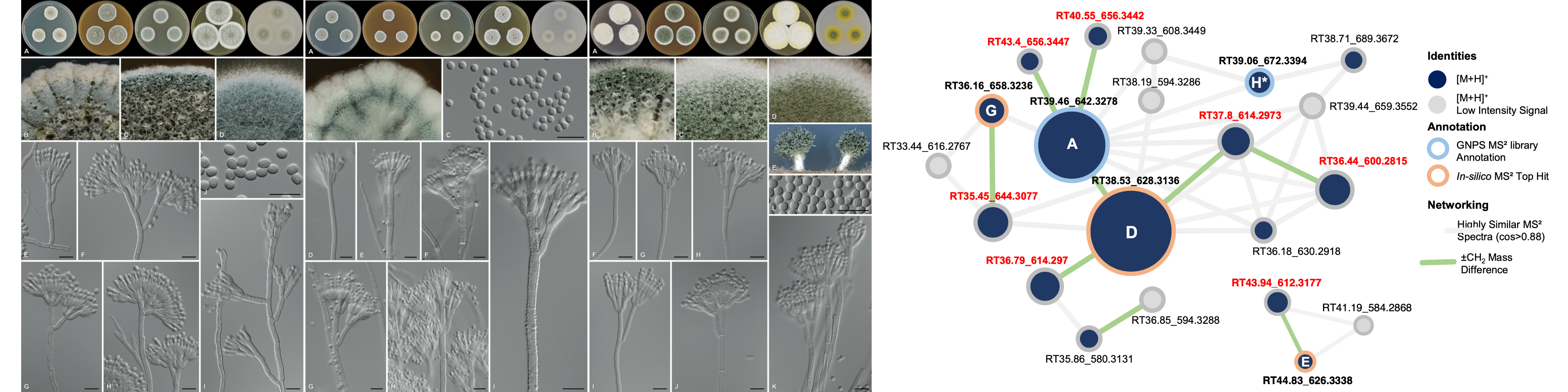
For nearly 100 years, the disease was thought to be caused by a single fungal species, Thielaviopsis basicola. However, in 2018 researchers at FABI showed that black root rot is caused by two cryptic sister species in a distinct generic lineage of the Ceratocystidaceae. Unfortunately, for most of the reported cases, the species responsible for the disease is unclear as identification relied on morphology rather than DNA evidence. With so little known regarding the true host range and distribution of these two species, concerns arise regarding their quarantine status and regulations surrounding their movement.