









FABI News

FABI Events

FABI in a nutshell

Research Features

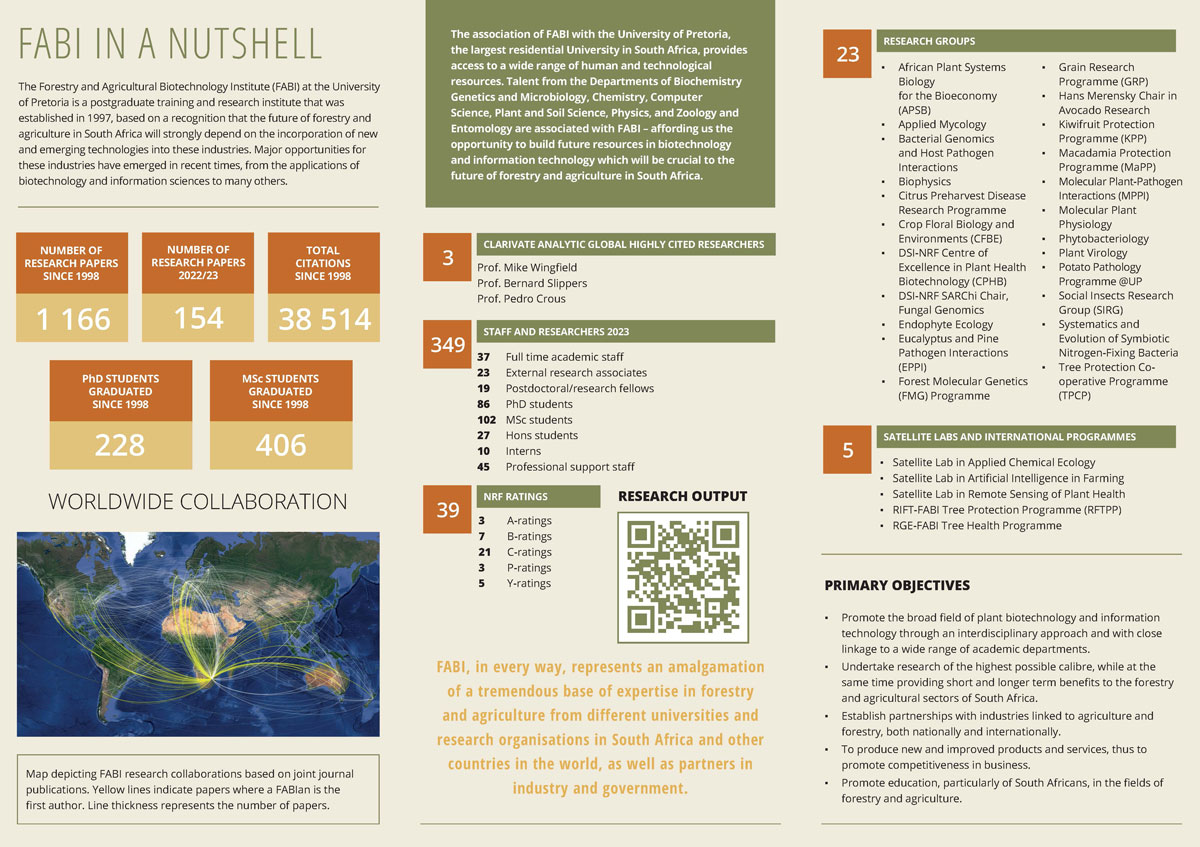
FABI, the Forestry and Agricultural Biotechnology Institute, at the University of Pretoria, is a post-graduate research institute that was established in 1997, based on a recognition that the future of forestry and agriculture in South Africa will strongly depend on the incorporation of new and emerging technologies into these industries. Major opportunities for these industries have emerged in recent times, from the applications of biotechnology and bioinformatics, amongst many others. FABI scientists undertake goal-directed research, in partnership with major players in the forestry and agricultural sectors in South Africa and in so doing, promote both human capital and industrial development in the country.
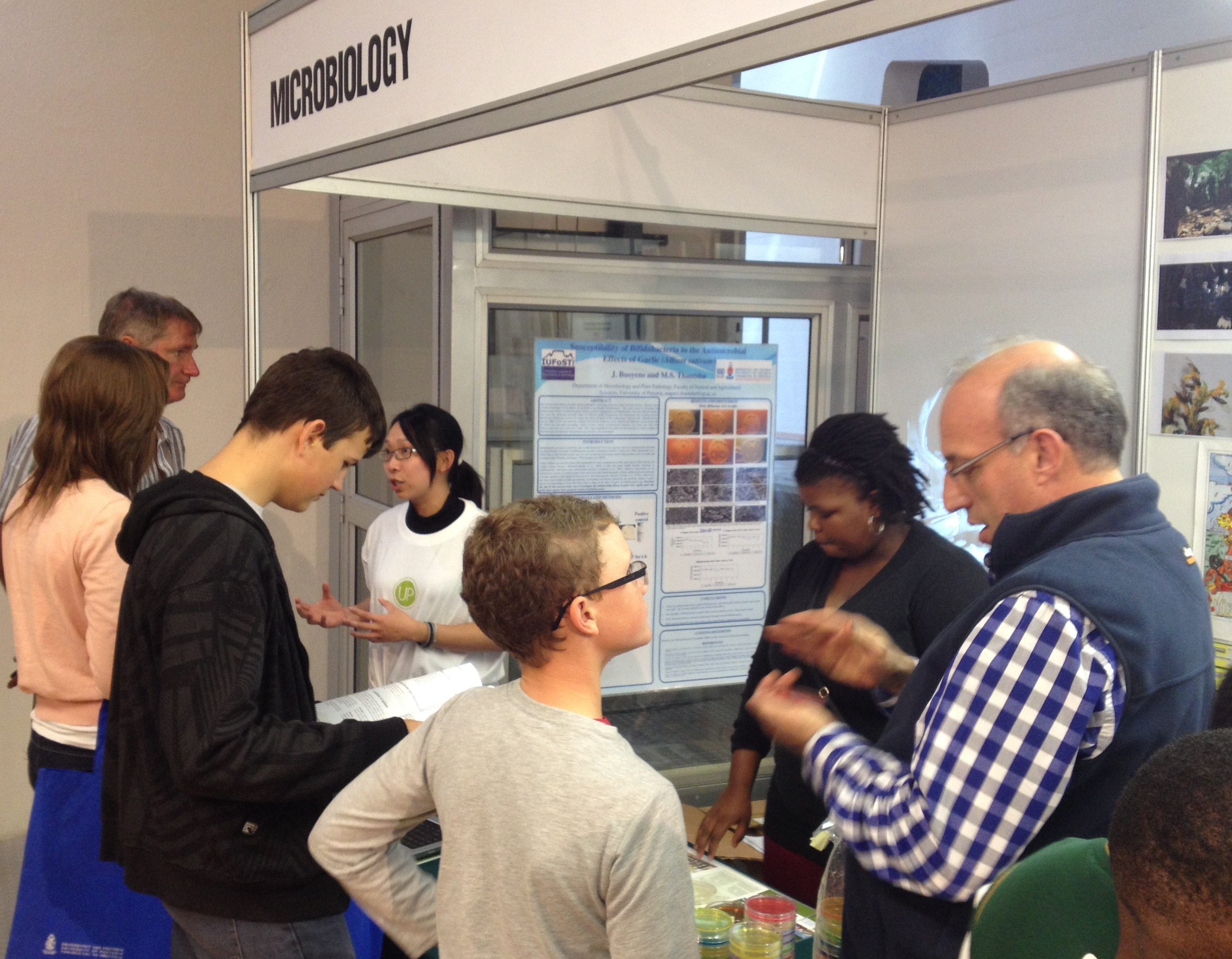
01-IMG_0459A.jpg
28s.jpg

FABI, the Forestry and Agricultural Biotechnology Institute, at the University of Pretoria, is a post-graduate research institute that was established in 1997, based on a recognition that the future of forestry and agriculture in South Africa will strongly depend on the incorporation of new and emerging technologies into these industries. Major opportunities for these industries have emerged in recent times, from the applications of biotechnology and bioinformatics, amongst many others. FABI scientists undertake goal-directed research, in partnership with major players in the forestry and agricultural sectors in South Africa and in so doing, promote both human capital and industrial development in the country.

Being based at the University of Pretoria provides FABI with the capacity to build future human resources in biotechnology, that are crucial to the future of forestry and agriculture in South Africa. It also enables collaboration and linkage with the majority of statutory bodies undertaking research in the plant and animal sciences. Additional value comes from training grants, participation of students in research programmes, and an enormous human and technological resource associated with this University.

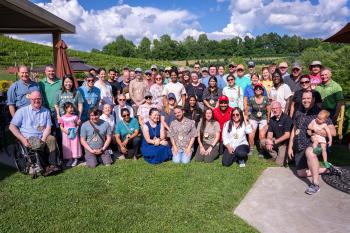
Staff at the University of Pretoria linked to FABI, have also had long-term associations with the fruit tree industry as well as with many other programmes linked to agricultural and forestry crops. Since its establishment, FABI has grown rapidly. FABI is made up of about 240 people including, more than 20 academic staff, 150+ postgraduate (Hons, MSc, PhD) students, postdoctoral fellows, research visitors, and a small core of technical and support staff. Approximately 30 languages are spoken by members of the FABI Team, illustrating a remarkably multinational and multicultural group.


New Publications

Liu QL, Wingfield MJ, Duong TA, Wingfield BD, Crous PW. (2026) Taxonomy, distribution and dispersal of Calonectria species: Important pathogens of forestry, agricultural and horticultural crops. Current Forestry Reports 12(4) 10.1007/s40725-025-00262-8
Nethononda PD, Hurley BP, Slippers B, Makhura MN. (2026) Smallholder farmers’ knowledge, perception and management of Spodoptera frugiperda (Lepidoptera: Noctuidae) on Zea mays at irrigation schemes in Limpopo province, South Africa. Crop Protection :107457. 10.1016/j.cropro.2025.107457
Botha I, De Canha MN, Oberlander K, Botes J, Lall N, Berger DK. (2025) DNA barcoding and anti-tyrosinase activities of three species-representative populations of the genus Greyia Hook & Harv. South African Journal of Botany 189:55-67. 10.1016/j.sajb.2025.11.035
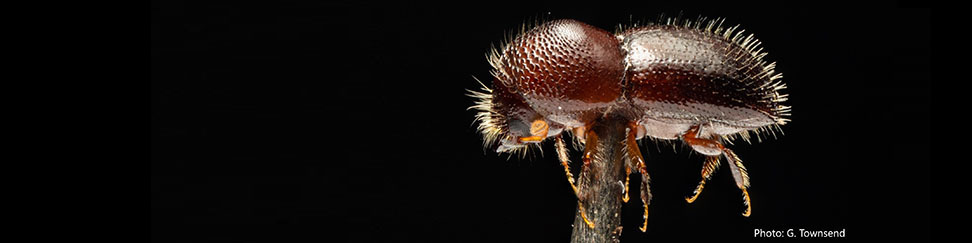
Townsend G, Hill M, Hurley BP, Nel WJ, Crous C, Roets F. (2025) First report of the ambrosia beetle, Amasa parviseta (Curculiondae: Scolytinae), in South Africa. African Entomology 10.17159/2254-8854/2025/a24167 PDF
Roux J, del M Angel L, Barnes I. (2025) First report of the eucalypt stem canker pathogen Teratosphaeria gauchensis in South Africa. New Disease Reports 52(2):e70091. 10.1002/ndr2.70091
Nel WJ, Barnes I, Jali S, Impson F, Oberprieler RG, Hurley BP. (2025) First report of Melanterius inconspicuus (Coleoptera: Curculionidae: Cleogonini) from KwaZulu-Natal, South Africa, with observations of its development in black wattle. Southern Forests 10.2989/20702620.2025.2537823 PDF
Regasa K, Beze W, Anjulo A, Wondafrash M, Hurley BP, Lawson SA, Healey M, Germishuizen I. (2025) Evaluating fungicides for the management of rust (Uromycladium acaciae) on black wattle nursery seedlings in Awi zone, Amhara regional state, Ethiopia. International Journal of Forestry Research 10.1155/ijfr/5547814
Ramantswana TM, Malatji DP, Pierneef RE, Soma P, Van Der Nest MA, Muchadeyi FC. (2025) Differential gene expression analysis of Dohne Merino sheep naturally infected with Haemonchus contortus. Scientific Reports 15:41843. 10.1038/s41598-025-25782-y
Nadasen T, Buitendag C, Visser R, Welgemoed T, Hein I, Berger DK. (2025) A latent invader: transcriptomics reveals Cercospora zeina’s stealth infection strategy of maize and immune-activating effectors. Frontiers in Plant Science 16:1-23. 10.3389/fpls.2025.1703682
Wilson AM, Wingfield MJ, Duong TA, Wingfield BD. (2025) Thermotolerance and post-fire growth in Rhizina undulata is associated with the expansion of heat stress-related protein families. BMC Genomics 26:1041. 10.1186/s12864-025-11902-5
Fuchs T, Vismer HF, Visagie CM, Wingfield BD, Wingfield MJ. (2025) Low genotypic diversity and first reports of clinical Sporothrix from retrospective samples in South Africa. Medical Mycology 10.1093/mmy/myaf102
Yilmaz N, Verheecke-Vaessen C. (2025) Mycotoxins: An ongoing challenge to food safety and security. PLOS Pathogens 21(11) 10.1371/journal.ppat.1013672
Coelho MA, David-Palma M, Kachalkin AV, Kolařík M, Turchetti B, Sampaio JP, Wingfield MJ, Fisher MC, Yurkov AM, Heitman J. (2025) Genomic and phenotypic insights into the expanding phylogenetic landscape of the Cryptococcus genus. PLOS Genetics 21(11) 10.1371/journal.pgen.1011945 PDF
Ramatsitsi NM, Manyevere A, Motloba T. (2025) Myco-ecological warfare with Meloidogyne species. Archives of Agronomy and Soil Science 71(1):1-15. 10.1080/03650340.2025.2579892 PDF
Shaw PL, Slippers B, Wingfield BD, Laurent B, Penaud B, Wingfield MJ, Crous PW, Bihon W, Duong TA. (2025) Chromosome-level genome assemblies for the latent pine pathogen, Diplodia sapinea, reveal two accessory chromosomes with distinct genomic features and evolutionary dynamics. G3 Genes|Genomes|Genetics :jkaf239. 10.1093/g3journal/jkaf239 PDF
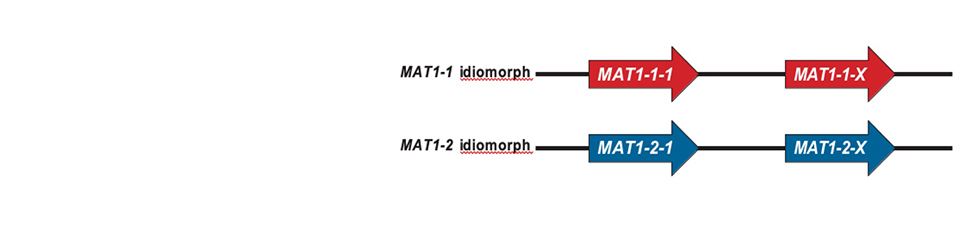
Coelho MA, David-Palma M, Marincowitz S, Aylward J, Pham NQ, Yurkov AM, Wingfield BD, Wingfield MJ, Sheng S, Heitman J. (2025) The complex evolution and genomic dynamics of mating-type loci in Cryptococcus and Kwoniella. PLoS Biology 23:e3003417. 10.1371/journal.pbio.3003417
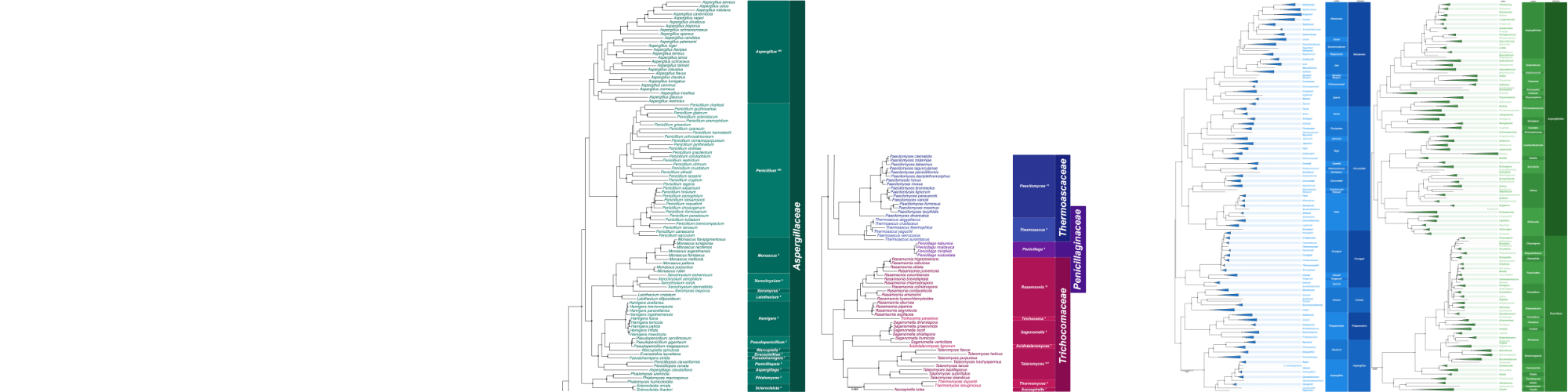
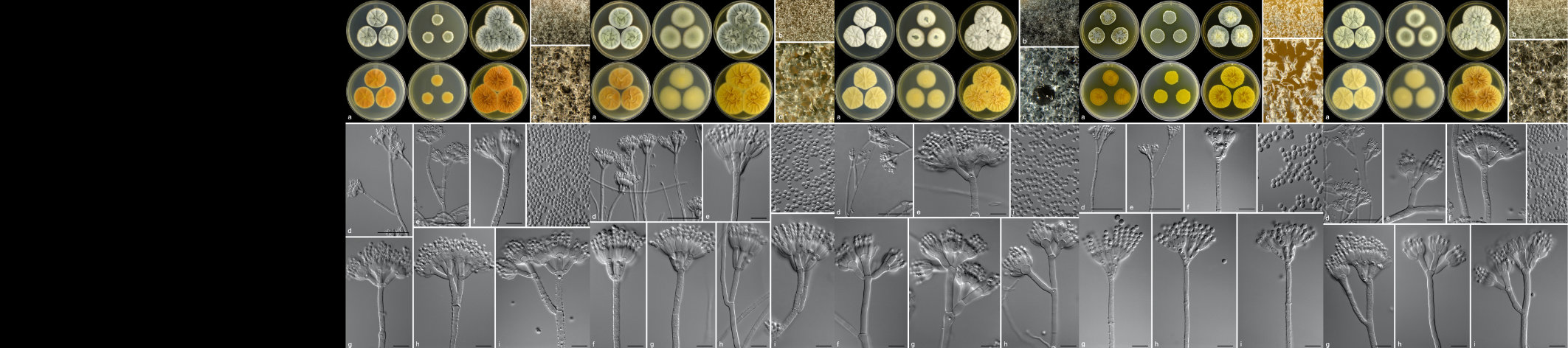
Visagie CM, Houbraken J, Overy DP, Sklenář F, Bensch K, Frisvad JC, Mack J, Perrone G, Samson RA, van Vuuren NI, Yilmaz N, Hubka V. (2025) From chaos to tranquillity: a modern approach to the identification, nomenclature and phylogeny of Aspergillus, Penicillium and other Eurotiales, including an updated accepted species list. Studies in Mycology 112:117–260. 10.3114/sim.2025.112.04
Vincent C, Singh A, Michalczyk GZ, Lane SL, Kaur R, Gill AR, Dziedzic N, De Silva K, Cho A, Cardoso AA, Alade DO, Tejera-Nieves M, Sharkey TD, Schmiege SC, Pelech E, Locke AM, Leisner CP, Teshome DT. (2025) Importance of measuring and reporting environmental conditions across plant science subdisciplines. Plant Physiology 199(2) 10.1093/plphys/kiaf405
Maake MM, Beukes CW, van der Nest MA, Avontuur JR, Muema EK, Stepkowski T, Venter SN, Steenkamp ET. (2025) Argyrolobium legumes from an African centre of endemism associate with novel Bradyrhizobium species harbouring unique sets of symbiosis genes. Molecular Phylogenetics and Evolution 214:108471. 10.1016/j.ympev.2025.108471
Joubert M, van den Berg N, Theron J, Swart V. (2025) Small RNAs derived from avocado sunblotch viroid and their association with bleaching symptoms: implications for pathogenesis in avocado sunblotch disease. Archives of Virology 170(10):205. 10.1007/s00705-025-06360-z PDF
Mavima L, Steenkamp ET, Beukes CW, Palmer M, De Meyer SE, James EK, Venter SN, Coetzee MPA. (2025) Estimated timeline for the evolution of symbiotic nitrogen fixing Paraburkholderia. Molecular Phylogenetics and Evolution 213:108447. 10.1016/j.ympev.2025.108447
Prabhu AS, Naicker P, Duong TA, Govender IS, Engelbrecht J, Backer R, Stoychev SH, van den Berg N. (2025) Phosphite inhibits Phytophthora cinnamomi by downregulating oxidoreductases and disrupting energy metabolism. Frontiers in Microbiology 16:1632726. 10.3389/fmicb.2025.1632726
Pham NQ, Liu FF, Duong TA, Wingfield BD, Chen SF, Wingfield MJ. (2025) Genetic diversity of Calonectria reteaudii isolates from infected Eucalyptus leaves and associated soils indicates a phyllosphere origin of the pathogen. Forest Pathology 55:e70037. 10.1111/efp.70037
Schröder ML, Hurley BP, Wingfield MJ, Slippers B, Garnas JR. (2025) Thermal limitations to the biological control of Gonipterus sp. n. 2 (Coleoptera: Curculionidae) in South African Eucalyptus plantations. Agricultural and Forest Entomology 10.1111/afe.70002
Lynn KMT, Wingfield MJ, Tarigan M, Durán A, Santos SA, Nel WJ, Barnes I. (2025) Investigating bark, ambrosia and nitidulid beetle (Coleoptera: Scolytinae and Nitidulidae) communities and their potential role in the movement of Ceratocystis manginecans in commercial forestry plantations in Riau, Indonesia. Agricultural and Forest Entomology 10.1111/afe.12698
Solís M, Hammerbacher A, Wingfield MJ, Naidoo S. (2025) Transcriptional responses of Eucalyptus to infection by an aggressive leaf blight pathogen reveal the role of host secondary metabolites during pathogen germination. Plant Molecular Biology 115 10.1007/s11103-025-01625-2
Coertze S, Coetzee B, Basson E, de Villiers D, Makhura T, Moster D, Slippers B, Rose LJ, Visagie CM, Read D. (2025) First Report of Clavibacter nebraskensis Causing Goss’s Bacterial Leaf Blight on Maize (Zea mays) in South Africa. Plant Disease 109:1580. 10.1094/PDIS-01-25-0164-PDN
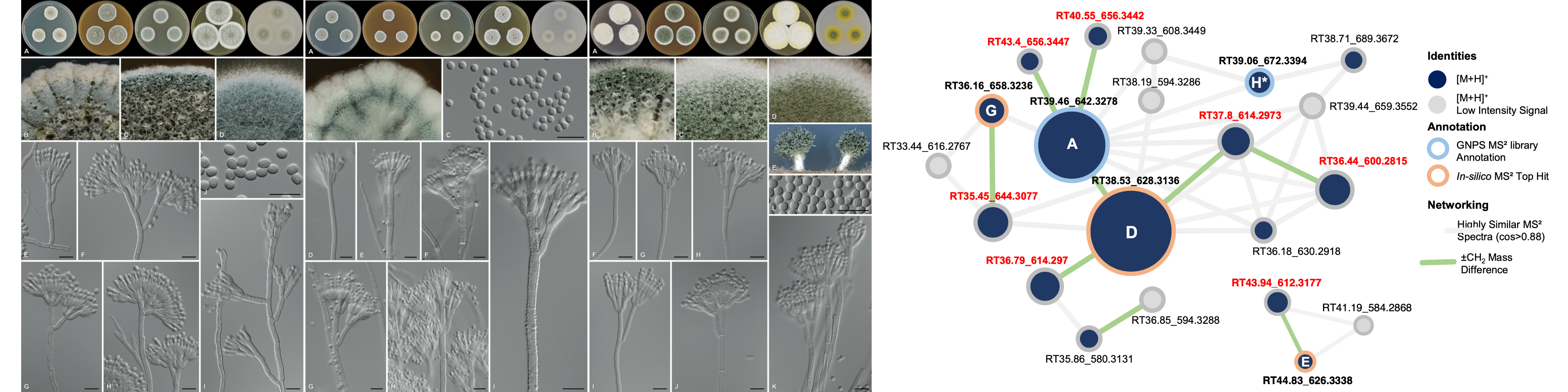
Overy DP, Frisvad JC, Witte TE, Hicks CL, Hermans A, Sproule A, Louis-Seize G, Seifert KA, Yilmaz N, Price J, van Vuuren NI, Visagie CM. (2025) Chemodiversity of Penicillium isolated from alpine and arctic environments, including ten new species. Studies in Mycology 112:75–116. 10.3114/sim.2025.112.03
Mailula DM, Wingfiled BD, Van Der Nest MA, Hammerbacher A. (2025) Production of fusel alcohols and fusel acetates by pathogenic fungi in the Ceratocystidaceae. Fungal Ecology 76:101427. 10.1016/j.funeco.2025.101427
Seale T, Brözel VS, Potgieter SC, Rupp O, Blom J, Steenkamp ET, Venter SN. (2025) Diversity of Environmental Escherichia coli in Subtropical Freshwater Systems of South Africa. Current Microbiology 82:414. 10.1007/s00284-025-04402-y