




FABI News

FABI Events

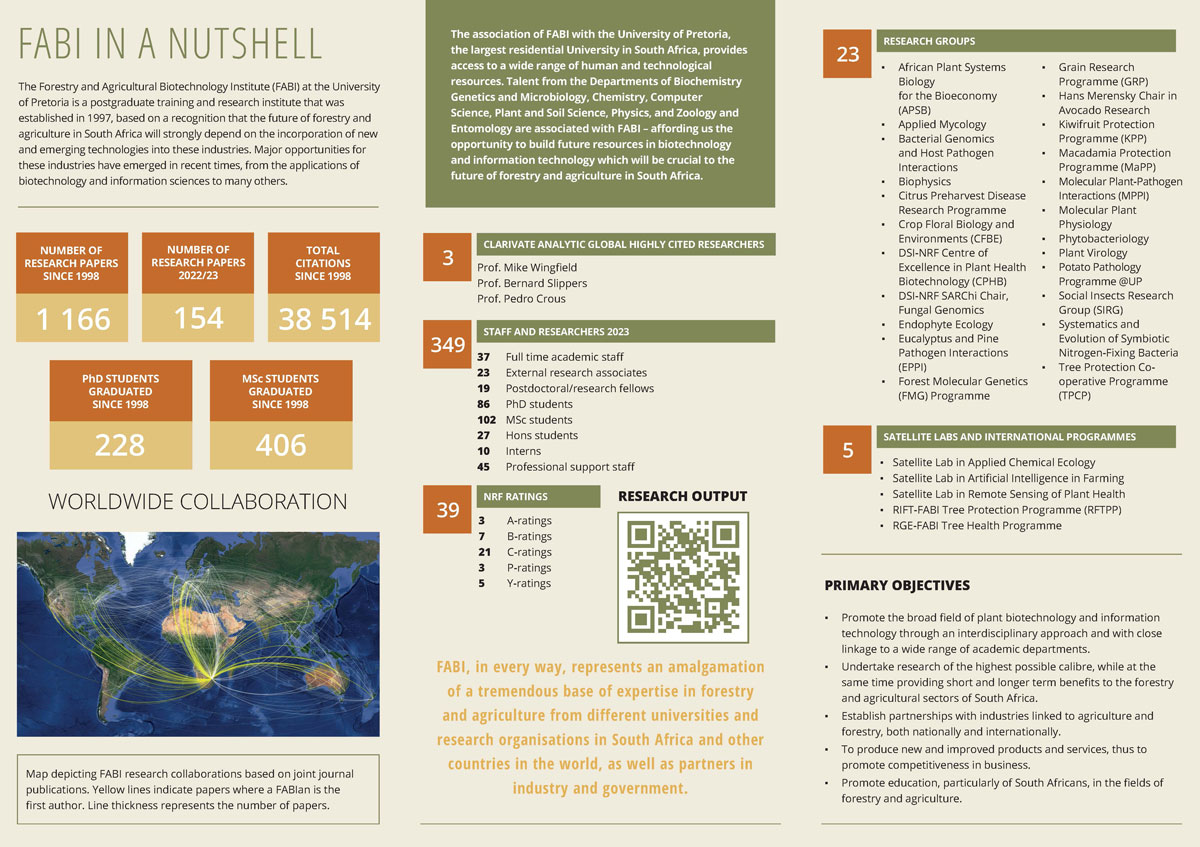
FABI in a nutshell

Research Features

About International Year of Plant Health 2020

Plants are more central to our daily existence than most people realise. They are the foundation of our ecosystems and its biological diversity and functioning. Plants affect everything from our water and air quality, to the food we eat and clothes we wear, and our physical and mental health. Unfortunately, the health of plants are increasingly threatened, globally, by pests, pathogens and climate change, to a point where whole ecosystems and plant production systems could collapse. For this reason, the United Nations has declared 2020 the International Year of Plant Health (IYPH), in recognition of the urgent need for greater global collaboration to protect plant health.
 
FABI and the University of Pretoria are leading global centres of excellence in scientific research, training and innovation in plant health. We partner closely with industry, government and other academic partners worldwide on this topic. During the IYPH, FABI will be abuzz with plant health related activities and outputs, including research, training, plant health services, seminar series, conferences, workshops and outreach events. Follow this webpage for highlights!
 

International Year of Plant Health in FABI languages


Afrikaans

Plante is belangriker in ons daaglikse bestaan as wat meeste mense besef. Dit is die basis van ons ekosisteme, hul biologiese diversiteit en funksionering. Plante beïnvloed alles van water- en lugkwaliteit, die kos wat ons eet en klere wat ons dra, tot ons fisiese en sielkundige welstand. Ongelukkig word die gesondheid van plante al meer bedreig op ‘n globale vlak deur peste, plae en klimaatsverandering, soveel so dat totale ekosisteme en plantproduksiesisteme kan ineenstort. Om hierdie rede het die Verenigde Nasies 2020 verklaar as die Internasionale Jaar van Plantgesondheid (IYPH). Dit is ook ‘n erkenning van die dringende behoefte aan groter internasionale samewerking om plante se gesondheid te beskerm.

FABI en die Universiteit van Pretoria is internasionale leiers en ‘n sentrum vir uitnemendheid in navorsing, opleiding en innovasie in plant gesondheid, in noue samewerking met industrieë, regerings en akademiese sentra regoor die wêreld. Tydends die IYPH gaan FABI gons van aktiwiteite en uitsette wat verband hou met plantgesondheid, insluitende navorsing, opleiding, plantgesondheidsdienste, seminare, konferensies, werkswinkels en publieke uitreikgeleenthede. Hou hierdie bladsy dop vir hoogtepunte!

isiXhosa

Izityalo zibaluleke kwimpilo yethu yemihla-ngemihla ngaphezulu kokuba uninizi lwabantu luqonda. Izityalo zisisiseko samadlelo, unxulumelwano nentsebenziswano kwako konke okuphilayo emhlabeni. Izityalo zinenxaxheba eziyithathayo kokusingqongileyo, ukususela emanzini esiwasebenzisayo, ukusulungeka komoya wokuphefumla, ukutya esikutyayo, impahla esiyinxibayo nentlalontle yethu. Ngelishwa impilo yezityalo iya ibasemngciphekweni umhlaba wonke ngenxa yezinambuzane ezithile, iintsholongwane ezenza izifo ezityalweni nokutshintsha kwemozulu – into leyo eyenza unxulumelwano lwamadlelo kunye nemveliso yezityalo zifune ukubhanga. Kungesisizathu uMbutho Wezizwe Ezimanyeneyo iwubeke umnyaka ka 2020 njengonyaka wokujongana nempilo yezityalo, ukubonisa ukungxamiseka kokuhoywa kwalomba wokhuselo lwezityalo ungaphumezeka ngcono ngentsebenziswano phakathi kwamazwe ehlabathi.

iFABI neDyunivesithi yasePitoli zinobuchwepheshe obunkqenkqeza phambili kwihlabathi liphela kuphando lwezobunzululwazi, uqeqesho, nokuvelisa iindlela ezintsha zokunonophela izityalo kwaye bekwasebenzisana namashishini, urhulumente, namanye amaziko emfundo ephakamileyo enza uphando oluyeleleneyo kwihlabathi liphela. iFABI izakube imaxhaphetshu yimisebenzi equka uphando, iinkqubo zokufundisana, uqeqesho, imisitho yokwazisa ulwazi eluntwini ngomnyaka u2020. Ukulandela okwenzekayo kwezinkqutyana hlala utyhile kwelikhasi!

Setswana

Dijalo di botlhokwa thata mo botshelong jwa rona jwa letsatsi le letsatsi go feta kamo batho ba le bantsi ba lemogang ka teng. Ke motheo wa tikologo ya lefatshe, tlholego ka mefutafuta le tiro ya yone. Dijalo di amana le sengwe le sengwe go tloga ka metsi, boleng jwa mowa, go fitlha kwa dijong tse re di jang le diaparo tse re di aparang, le boitekanelo jwa rona jwa mmele le ba tlhaloganyo. Ka maswabi, boitekanelo jwa dijalo bo ntse bo tshosediwa go feta mo lefatsheng ka bophara, ka go tlhaselwa ke ditshenyikegi, megare le phetogo ya maemo a bosa, go fitlhalela gore ditikologo tsa lefatshe le ntshokuno ya dijalo di ka phutlhamana. Ka lebaka leno, lekgotlha la merafe e e kopaneng le itsisitse gwaga wa 2020 e le ngwaga wa ditshabatshaba ya boitekanelo jwa dijalo (IYPH), ka go lemoga tlhokego e e potlakileng ya tirisanommogo ya lefatshe ka bophara go sireletsa boitekanelo jwa dijalo.

FABI le Yunibesithi ya Pretoria ke ditheo tse di eteletseng pele tsa maemo a a kwa godimo a dipatlisiso tsa boitsanape, katiso le boitshemolelo bo bontsha ka tsa boitekanelong jwa dijalo. Re dirisana mmogo le madirelo, puso le baithuti ba ditheo
tse dikgolo ka setlhogo se. Ka nako ya IYPH, FABI e tlabe e tlhanasela ka ditiro le dikungo tsa ditiragalo tse di amanang le tsa boitekanelo jwa dijalo, go akeretsa le dipatlisiso, katiso, ditirelo tsa boitekanelo jwa dijalo, metseletsele ya diseminara, dikokoano, dithutokatiso le ditiragalo tsa go fitlhelela baagi. Latelela mafaratlhatlha le lefelo mafaratlhatlha a, go fitlhelela dintlha tse dibotlhokwa.


Vietnamese

Cây cối có vai trò quan trọng trong cuộc sống hàng ngày hơn chúng ta vẫn thường nghĩ. Thực vật là nền tàng của sự đa dạng và cấu thành nên hoạt động của hệ sinh thái. Thực vật có mối liên hệ chặt chẽ đến mọi mặt bao gồm nguồn nước, chất lượng không khí, cho đến thức ăn và quần áo mặc hàng ngày, cũng như sức khoẻ và tinh thần của mỗi chúng ta. Tuy nhiên, sức khoẻ của thực vật đang ngày càng bị đẻ doạ trên toàn cầu do sâu và dịch bệnh gây hại cũng như biển đổi khí hậu. Sự anh hưởng này đang dẫn đến nguy cơ hệ sinh thái và các quá trình sản xuất có liên quan đến thực vật bị ảnh hưởng ở mức nghiêm trọng. Vì lý do đó, và để để cao nhận thức về tính cấp thiết về hợp tác quốc tế về bảo vệ thực vật, tổ chức Liên Hiệp Quốc đã tuyên bố năm 2020 là Năm Quốc Tế về Bảo Vệ Thực Vật (International Year of Plant - IYPH)

FABI và Đại học Pretoria là những trung tâm quốc tế hàng đầu về nghiên cứu khoa học, đào tạo và sáng tạo trong lĩnh vực bảo vệ thực vật. Chúng tôi hợp tác chắt chẽ với các ngành công nghiệp, nhà nước, và các tổ chức giáo dục và đào tạo trên toàn cầu trong lĩnh vực này. Để hưởng ứng năm quốc tế bảo vệ thực vật 2020, FABI sẽ tổ chức một loạt các hoạt động liên quan đến bảo vệ thưc vật bao gồm nghiên cứu khoa học, đào tạo, cung cấp dịch vụ bảo về thực vật, thuyết trình khoa học, hội thảo, và các hoạt động ngoại khoá. Theo dõi trang web của chúng tôi để biết thêm thông tin chi tiết về những hoạt động này.

Chinese

植物作为生态系统及其生物多样性和功能的基础,对我们的日常生活尤为重要。植物影响着我们的一切,从我们的饮用水和空气质量,到我们吃的食物和衣服,以及我们的身心健康。不幸的是,在全球范围内,病虫害和气候变化正日益威胁着植物的健康,以致可能导致整个生态系统和植物生产系统的崩溃。因此,为迫切加强全球合作以保护植物健康,联合国宣布2020年为国际植物健康年(IYPH)。

FABI和比勒陀利亚大学是全球领先的植物健康研究所,引领和培训植物健康研究。我们与各林业公司,政府和全球其他学术合作伙伴紧密合作。在IYPH期间,FABI将密切关注与植物健康有关的活动和产出,包括研究,培训,植物健康服务,研讨会系列,会议,讲习班和宣传活动。具体内容请见该网页!

Luganda

Ebimera byankizo nnyo kulw’okubeerawo kwaffe okwabulijjo okusinga abangi nga bwebalowooza. Bino bikola ng’omusingi entababutonde kwetambulira n’engeri gyeyesisaamu. Ebimera by’efuusa amazzi gaffe, engeri y’omukka, emere gyetulya, engoye zetwambala, awamu n’obulamu bwaffe bwona. Eky’ennaku, obulamu bw’ebimera bweyongera kubeera mumatigga buli lukedde munsi yonna olw’obuwuka obubilya, endwadde zabyo, n’enkyuukakyuuka y’obudde enkambwe, ebiyinza okusanyaawo entababutonde. Nolw’ensonga eyo, ekibiina ky’amawanga amagatte ekya United Nations kyatongoza omwaka gwa 2020 okubeera omwaka gw’ebyobulamu bw’ebimera mu nsi yonna (International Year of Plant Health, IYPH). Kino kyagendererwa okulaga obwetaavu bw’okukuuma obulamu bw’ebimera munsi yonna okuyita mukukolera awamu.

Ekitongole kya Forestry and Agricultural Biotechnology Institute (FABI) n’ettendekero ekkulu elya Pretoria (University of Pretoria) by’ebimu ku bitongole ebisinga obukugu mu bya science naddala mukubangula n’okuyiiya bwekituuka ku by’obulamu bw’ebimera munsi yonna. Tukolaganira wamu n’amakolero, gavumenti era n’amatendekero g’ebyenjigiriza munsi yonna kunsonga eno. Ngatujaguza IYPH, FABI egenda kubeera nsaale nnyo nnyini ddala era yakwenyigira mu mirimu egy’enjawulo omuli okubangula, okunonyereza n’okusomesa kunsonga y’obulamu bw’ebimera. Tugoberere kumukutu gwaffe ogwa internet (website) okufuna ebisingawo.

Persian

گیاهان بیشتر از آنچه که اکثریت مردم فکر میکنند، نقش حیاتی در زندگی ما دارند. گیاهان زیربنای اکوسیستم ها ، تنوع زیستی و عملکردشان هستند و همینطور بر روی هر چیزی از جمله کیفیت آب و هوا تا غذایی که مصرف میکنیم، لباسی که میپوشیم و سلامت جسمی و روحی تأثیر گذار هستند. متأسفانه سلامت گیاهان به طور فزاینده ای به وسیله ی آفات ، بیماری‌ها و تغییرات اقلیمی مورد تهدید قرار گرفته تا جائیکه تمام اکوسیستم ها و تولیدات گیاهی میتوانند از بین بروند.

سازمان ملل به دلیل نیاز مبرم در جهت تعامل بیشتر جهانی به منظور سلامت گیاهان، سال 2020 را سال بین المللی سلامت گیاه ( IYPH )نامگذاری کرده است. موسسه ی فابی(FABI) و دانشگاه پرتوریا، مراکز جهانی پیشرو در مطالعات علمی، آموزش و نوآوری در سلامت گیاه میباشند. ما از نزدیک با صنعت، دولت و دیگر شرکای دانشگاهی بر روی این موضوع (سلامت گیاه ) همکاری داریم. در طول این سال FABI بر روی فعالیت‌های مرتبط با سلامت گیاه و دستآوردهای ناشی از آن شامل تحقیقات، آموزش، خدمات مرتبط با سلامت گیاه، برگذاری سمینارها، کنفرانس ها، کارگاه های آموزشی و رویدادهای بیشتر متمرکز خواهد بود. برای مشاهده نکات برجسته این وبسایت را دنبال کنید.

Spanish

Las plantas son de suma importancia para nuestro diario vivir, más de lo que la gente piensa. Estas no solo son la base de nuestros ecosistemas, sino también representan su diversidad biológica y funcionalidad. Las plantas afectan todo lo que nos rodea, como la calidad del agua y aire, los alimentos que consumimos, la ropa que usamos y nuestra salud física y mental. Desafortunadamente, la salud de nuestras plantas se ve cada vez más amenazada por plagas, patógenos y cambio climático. A nivel mundial estás amenazas pueden constituir el colapso no solo de ecosistemas completos sino también de sistemas de producción de plantas. Por esta razón, Las Naciones Unidas ha declarado el 2020 como el Año Internacional de Sanidad Vegetal (siglas en ingles IYPH), en reconocimiento a la urgente necesidad por establecer proyectos de cooperación internacional para proteger la salud de nuestras plantas.

FABI y la Universidad de Pretoria son centros de excelencia y lideres mundiales en investigación, capacitación e innovación científica en sanidad vegetal. Estamos asociados directamente con la industria, gobierno y académicos en todo el mundo, expertos en el tema. Durante el IYPH, FABI activamente compartirá actividades y emitirá noticias, que incluyen temas relacionados con investigación, capacitación, servicios en sanidad vegetal, seminarios, conferencias, talleres y eventos de divulgación. ¡Sigue esta página web para más información!

French

Le rôle des plantes dans notre quotidien est bien plus important que ce que la plupart des gens réalisent. Elles sont la base de nos écosystèmes, de leur diversité et de leur fonctionnement. Les végétaux ont un impact sur tout ce qui nous entoure : la qualité de l’eau et de l’air, la nourriture que nous mangeons, les vêtements que nous portons, ainsi que notre santé physique et mentale. Malheureusement, la santé des végétaux est de plus en plus menacée par des maladies, des insectes ravageurs et le changement climatique, à tel point que des écosystèmes complets et des systèmes de production végétale pourraient s’effondrer. Pour cette raison, les Nations Unies ont déclaré 2020 l’Année International de la Santé des Végétaux (AISV), en reconnaissance de l’urgent besoin de meilleures collaborations internationales pour protéger la santé des végétaux.

FABI et l’Université de Pretoria sont des centres de pointe dans la recherche scientifique, la formation et l’innovation dans le domaine de la santé des plantes. Nous cultivons des partenariats étroits avec l’industrie, le gouvernement ainsi que d’autres institutions académiques dans le monde entier sur ce sujet. Pendant l’AISV, FABI bourdonnera d’activités liées à la santé des végétaux telles que la recherche, la formation, des services liés à la santé des végétaux, des séminaires, des conférences, des ateliers et des activités de sensibilisation. Suivez-nous sur la page web pour accéder aux points forts du projet!

Hindi

ज्यादातर लोगों का मानना है कि पौधे हमारे दैनिक अस्तित्व के लिए अधिक महत्वपूर्ण हैं। वे हमारे पारिस्थितिक तंत्र और इसकी जैविक विविधता और कार्यप्रणाली की नींव हैं। पौधे हमारे पानी और वायु की गुणवत्ता से लेकर हमारे द्वारा खाए जाने वाले भोजन, पहनने वाले कपड़ों और हमारे शारीरिक और मानसिक स्वास्थ्य तक सब कुछ प्रभावित करते हैं। दुर्भाग्य से, पौधों के स्वास्थ्य में विश्व स्तर पर कीटों, रोगजनकों और जलवायु परिवर्तन से खतरा है, एक हद तक जहां पूरे पारिस्थितिक तंत्र और संयंत्र उत्पादन प्रणाली ध्वस्त हो सकते हैं। इस कारण से, संयुक्त राष्ट्र ने पादप स्वास्थ्य की रक्षा के लिए वैश्विक सहयोग की तत्काल आवश्यकता को मान्यता देते हुए 2020 को पादप स्वास्थ्य का अंतर्राष्ट्रीय वर्ष (IYPH) घोषित किया है।

FABI और प्रिटोरिया विश्वविद्यालय वैज्ञानिक अनुसंधान, प्रशिक्षण और संयंत्र स्वास्थ्य में नवाचार में उत्कृष्टता के वैश्विक केंद्र हैं। हम इस विषय पर दुनिया भर में उद्योग, सरकार और अन्य शैक्षिक साझेदारों के साथ मिलकर काम करते हैं।

IYPH के दौरान, FABI संयंत्र स्वास्थ्य संबंधित गतिविधियों और उत्पादन पर ध्यान केंद्रित करेगा, जिसमें अनुसंधान, प्रशिक्षण, संयंत्र स्वास्थ्य सेवाएं, संगोष्ठी श्रृंखला, सम्मेलन, कार्यशालाएं शामिल हैं

Korean

우리의 주변에서 항상 보는 식물은 우리가 인지하는 이상으로 우리의 일상에 없어서는 안 될 중요한 위치를 차지합니다. 식물은 지구생태계에는 생물 다양성과 기능을 지지하는 기반을, 인간에게는 청정한 물과 공기, 음식, 의류와 육체적, 정신적 건강을 유지할 수 있는 환경을 제공합니다. 하지만지구촌화로 가속된 병해충 증가와 지구 온난화로 인한 기후 변화가 식물의 생산력과 생태계을 붕괴될 수위에 까지 이르게 했습니다. 그래서, 식물 건강 보호의 시급함을 인정한 UN은 2020년을 “세계 식물 건강의 해 (IYPH)” 로 지정하였습니다.

FABI 와 프레토리아 대학은 식물의 건강과 관련된 혁신적인 연구와 교육을 주도하는 세계 굴지의 연구기관으로, 전 세계의 식물 건강 관련 연구를 하는 연구진들, 정책을 수행하는 정부 기관들, 일반 기업들과 오랜 기간 동안 다각적인 협력을 해 오고 있습니다. FABI는2020년 “세계 식물 건강의 해” 을 맞이하여 갖은 연구, 교육, 세미나, 학회, 워크샵, 봉사활동 프로그램등 식물 건강과 관련된 행사들을 가질 예정이며, 이 들을 웹사이트를 통해 활발 하게 알릴 예정이니, 앞으로 이 웹사이트의 하이라이트를 눈여겨 봐 주기 바랍니다.

Amharic

እፅዋት አብዛኞቻችን ከምንገምተው በላይ ለሰው ልጅ የእለት ከእለት ኑሮ እጅግ አስፈላጊ ናቸው፡፡ ለምንኖርበት ሥርዓተ-ምህዳር ብዝሃ-ሕይወትና ከብዝሃ ሕይወት ለሚገኙ ጥቅሞችም ዋንኛ መሠረት ናቸው፡፡ከምንጠጣው ውሃና ከምንተነፍሰው አየር ጥራት እስከ ምንበላው ምግብና የምንለብሰው ልብስ እንዲሁም የአካልና የአእምሮ ጤንነታችን ጨምሮ አብዛኛው ለሰው ልጅ አስፈላጊ የሆኑ ነገሮች በእፅዋት ይወሰናሉ፡፡ ነገር ግን በአለም አቀፍ ደረጃ በእፅዋት ጤንነት ላይ ከጊዜ ወደ ጊዜ በተለያዩ ነብሳት ተባዮች፡ በሽታዎችና የአየር ንብረት ለውጥ መጠነ-ሰፊ ጥፋት እየደረሰ ይገኛል፡፡ ይህ የእፅዋት ጤና ችግር በዚሁ ከቀጠለ የሥርዓተ-ምህዳርና የእፅዋት አመራረት ሥነ-ሥርዓት ላይ ውድመት ያደርሳል ተብሎ ይገመታል፡፡ የተባበሩት መንግስታት ድርጅት የእፅዋት ጤናን ለመጠበቅ የሚያስፈልገውን አስቸኳይ አለም አቀፍ ትብብር በመረዳት የፈረንጆቹን 2020 ዓ/ም “አለም አቀፍ የእፅዋት ጤና ዓመት” በማለት አውጇል፡፡

በደቡብ አፍሪካ የሚገኘው የደንና ግብርና ባዮቴክኖሎጂ ተቋም (FABI) እና የፕሪቶሪያ ዩኒቨርሲቲ (University of Pretoria) በአለም የታወቁ የምርምር፡ የሥልጠናና የቴክኖሎጂ ፈጠራ ልህቅት ማዕከላት ናቸው፡፡ የደንና ግብርና ባዮቴክኖሎጂ ተቋም የምርምርና ሥልጠና ሥራዎቹን ከተለያዩ ባለድርሻ አካላት፡ ኢንዱስትሪዎች፤ ከመንግስትና ሌሎች አለም አቀፍ የከፍተኛ ትምህርት ተቋማት ጋር በመተባበር ይሰራል፡፡ ተቋማችን በ2020 የሚከበረውን አለም አቀፍ የእፅዋት ጤና ጥበቃ ዓመት በማስመልከት በእፅዋት ጤና ዙሪያ መጠነ-ሰፊ ምርምር፡ ሥልጠና፡ የእፅዋት ጤና አገልግሎት፡ ትምህርታዊ ጉባኤያት፡ የምርምር ጉባኤያት፡ አውደ ጥናቶች፡ የምርምር ስርጸትና የማህበራዊ አግልግሎት ሥራዎችን ይሰራል/ያስተባብራል፡፡

German

Pflanzen sind wictiger für unser tägliches Lebenzals die meisten Menschen glauben. Sie sind die Grundlage unserer Ökosysteme und dessen biologischer Vielfalt und Funktionsweise. Pflanzen beeinflussen alles von unserer Wasser- und Luftqualität über die Nahrung und Kleidung bis hin zu unserer körperlichen und geistigen Gesundheit. Leider ist die Gesundheit von Pflanzen weltweit zunehmend durch Schädlinge, Krankheitserreger und den Klimawandel bedroht, so dass ganze Ökosysteme und Pflanzenproduktionssysteme zusammenbrechen könnten. Aus diesem Grund haben die Vereinten Nationen das Jahr 2020 zum Internationalen Jahr der Pflanzengesundheit (IYPH) erklärt, in Anerkennung der dringenden Notwendigkeit einer umfassenderen Zusammenarbeit zum Schutz der Pflanzengesundheit.

FABI und die University of Pretoria sind weltweit führende Kompetenzzentren für wissenschaftliche Forschung, Ausbildung und Innovation im Bereich Pflanzengesundheit. Wir arbeiten weltweit mit der Industrie, der Regierung und anderen akademischen Partnern zusammen. Während des IYPH wird FABI mit pflanzengesundheitsbezogenen Aktivitäten und Veroeffentlichungen wie Forschung, Schulung, Pflanzengesundheitsdiensten, Seminarreihen, Konferenzen, Workshops und Informationsveranstaltungen beschäftigt sein. Folgen Sie dieser Webseite für Highlights!


Hebrew

צמחים הם מרכזיים לחיינו – יותר מהמצופה.

הם יסוד העולם הטבעי שלנו ואיך הוא פועל.

הצמחים משפיעים על הכל – על איכות המים והאוויר, למזון והבגדים שלנו והבריאות הפיזי והנפשי שלנו.

למרבה הצער, בריאות הצמחים מאוימת בכל העולם – ע"י מזיקים, רעלים ושינויים באקלים – וכל מערכת הטבע עלולה להתפורר.

לכן הודיעו באו"ם ש2020 יהיה "שנת בריאות הצמחים הבין לאומית" על מנת לכבד את הצורך הדחוף להגנה על בריאות הצמחים.

FABI ואוניברסיטת פרטוריה הם מרכזים גלובאלים למחקר, אימון וחידוש בבריאות הצמח.

אנו עובדים ביחד עם תעשייה, ממשלה והעולם האקדמי בכל העולם.

במשך ה IYPH, FABI יהיה עסוק מאוד עם פעילויות שונות , מחקר, אימון, שרותי בריאות ,, סדנאות, וכנסים.

עקבו אחרי האתר לפרטים!

Zulu

Izitshalo zibalulekile kakhulu ezimpileni zethu. Izitshalo zithinta konke ukuphila. Kusuka emanzini, kuze emoyeni nasekudleni nasezimpahleni zokukhandwa, ithinta ngisho nempilo imbala, kanye nokucabanga kwengqondo nohlumelelisa izicubu zomzimba. Ziyisekelo yemvelo nendlela ehlukene ngayo, nomsebenzi wayo. Impilo yezitshalo iyathikamezeka umhlaba wonke ngexa yezinambuzane, amagciwane nokushitsha kwesimo sezulu, kungangcina kulimaze yonke indlela izitshalo zisebenza ngayo nomsebenzi wazo emvelo. Ikhona iUnited Nations ibone ukuthi kubalulekile ukubanonyaka wempilo wezitshalo (International Year of Plant Health), khona kuzobanoku sebenzisana emhlabeni wokejikelele ukunakekela impilo yezitshalo.

IFABI neUniversity of Pretoria iyazihola ezinye izikhungo zomhlaba ocwaningweni lwezitshalo nokufika nezindlela ezintsha zokukhulisa nokuphathwa kwempilo yezitshalo. Thina siwumbumbano, neziboni noHolumeni nongoti bomhlaba wonke kulesisihloko sezilimo. Ngonyaka wezitshali eFABI kuzobamihlangano nezipendulo ehlangene neimpilo yezitshalo, kuzabane-training, plant health services, seminar series, conferences, workshops nakusembezisana nomphakathi. Silandele kule-webpage kubona senzani.

kwisahili

Mimea ni muhimu zaidi kwa uwepo wetu wa kila siku kuliko watu wengi wanavyotambua. Mimea ni kina cha mazingira yetu na uuwiano wa kuishi pamoja baina ya mazingira haya na viumbe vyote kama wanyama balibali, wadudu na vijidudu. Hivyo mimea huathiri kila kitu kwa mwanadamu katika kila hali kutoka kwa maji na ubora wa hewa, kwa chakula tunachokula na nguo tunazovaa, na hata ustawishaji wa afya ya mwili na akili. Kinachohuzunisha ni kwamba, afya ya mimea inazidi kutishiwa kote ulimwenguni. Hii inasababishwa na uongezefu wa wadudu na vimelea vinavyosababisha magojwa kwa mimea. Pamoja na hayo, mabadiliko ya hali ya hewa inahadhiri pakubwa na kubadilisha misimu ya mvua na joto kwa kiwango kwamba mazingira na mfumo wa uzalishaji wa mimea yaweza poromoka. Kwa hivyo, umoja wa mataifa (UN) umetenga mwaka huu wa elfu mbili na ishirini (2020) kuwa Mwaka wa Afya ya Mimea Mataifani (IYPH), ili kutambua hitaji la dharura la ushirikiano mkubwa wa mataifa yote ulimwenguni wa kulinda afya ya mimea.

Taasisi ya Teknolojia ya Misitu na Kilimo vyuo pamoja na chuo kikuu cha Pretoria Afrika Kusini wako katika nafasi ya mbele katika vituo vya ulimwengu vya ubora katika utafiti wa kisayansi, mafunzo na uvumbuzi katika afya ya mmea. Tunashirikiana kwa karibu na viwanda vya sekta ya misitu, serikali na washirika wengine wa vyuo ulimwenguni juu ya mada hii. Katika huu mwaka wa afya ya mimea kote ulimwenguni (IYPH), Taasisi ya Teknolojia ya Misitu na Kilimo (FABI) itashungulikia nyanja tofauti zinazohusiana na afya na mazao ya mimea. Hivyo basi, matokeo pamoja na utafiti, mafunzo na huduma za afya ya mimea, mikutano na majadiliano, kongamano za kisayansi, na hata uenezaji kwenye jamii kuhusu afya ya mimea zitafanyika. Kwa habari zaidi, tafadhali fuata ukurasa huu.


Dutch

Planten zijn belangrijker voor ons dagelijks bestaan dan de meeste mensen zich realiseren. Zevormen de basis van onze ecosystemen zowel als van de biologische diversiteit en het functionerenervan. Planten beïnvloeden van alles, van onze water- en luchtkwaliteit tot het voedsel dat we eten,de kleren die we dragen en onze lichamelijke en geestelijke gezondheid. Helaas wordt de gezondheid van planten wereldwijd steeds meer bedreigd door plagen, ziekteverwekkers en klimaatverandering,tot op een punt waar hele eco- en plantproductiesystemen kunnen instorten. Daarom hebben de Verenigde Naties het jaar 2020 uitgeroepen tot het Internationale Jaar van de Plantgezondheid(IYPH), ook vanwege de dringende behoefte aan betere internationale samenwerking om degezondheid van planten te beschermen.

FABI en de Universiteit van Pretoria zijn internationaal toonaangevende expertisecentra op het gebied van wetenschappelijk onderzoek, training en innovatie met betrekking tot plantgezondheid.Op dit onderwerp werken we nauw samen met de industrie, de overheid en andere academische partners wereldwijd. Tijdens het IYPH zal FABI bruisen van activiteiten gerelateerd aan plantgezondheid,inclusief onderzoek, training, dienstverlening rondom plantgezondheid,seminarseries, conferenties, workshops en outreach-evenementen. Volg deze webpagina voor dehoogtepunten!
 

New Publications

Yan Z, Zhao Y, Meng X, Gao M, Si H, Zhao G, Bose T, Chang R. (2026) New manganese-oxidizing Acremonium-like fungi from halophytic rhizospheres in the Yellow River Delta, China. Mycologia :1-13. 10.1080/00275514.2026.2627133
Eshetu FB, Barnes I, Nahrung HF, Fitza KNE, Slippers B. (2026) A Century of invasion: How biosecurity influenced populations of Sirex noctilio and Its fungal symbiont in Australasia. Molecular Ecology 35(6):0962 - 1083. 10.1111/mec.70311
Ribeiro MF, Cavallini G, Solce GN, Favoreto AL, De Souza Passos J-R, Barbosa LR, Hurley BP, Wilcken CF. (2026) Cold storage of Gonipterus platensis (Coleoptera: Curculionidae) eggs for Anaphes nitens (Hymenoptera: Mymaridae) rearing. PeerJ :1-14. 10.7717/peerj.20903 PDF
Pham NQ, Marincowitz S, Marpaung YMAN, Tarigan M, Wingfield BD, Wingfield MJ. (2026) Two Cryphonectriaceae species from Eucalyptus leaves in North Sumatra and their stem inoculation outcomes. Fungal Systematics and Evolution 17:69–79. 10.15761/fuse.2026.17.05 PDF
Nickles GR, Stokes CK, Narh DL, Lynn KMT, Fuqua SR, Bryan C, Allen BM, Bivins CP, Bok JW, Brewer JS, Buthelezi ST, Clark JPRM, Coon KL, Corby LR, Coetzee MPA, Dewing C, Duong TA, Harris MA, Keller NP, Kopotsa K, Lane FA, Nichols HL, Nieuwoudt A, Nuñez MA, Medina Munoz ME, Park SC, Pham NQ, Ryan KT, Solís M, Vilgalys R, Wallace JM, Wang YW, Wingfield BD, Wingfield MJ, Worley TK, Zallek TA, Zamanian M, Hoeksma JD, Drott M, Pringle A. (2026) Equipped for success: Genomes and metabolites of the European Amanita muscaria are conserved in its novel South African range. New Phytologist 10.1111/nph.71064
Pham NQ, Wingfield MJ, Duong TA, Wingfield BD. (2026) Draft genome sequence of Elsinoe masingae: the causal agent of Eucalyptus scab in South Africa. Australasian Plant Pathology 55:37. 10.1007/s13313-026-01082-5
Pham NQ, Marincowitz S, Wingfield BD, Crous PW, Santos SA, Durán A, Tarigan M, Wingfield MJ . (2026) Pseudoteratosphaeria supramediana sp. nov. (Teratosphaeriaceae, Mycosphaerellales), a new foliar pathogen on Eucalyptus in Indonesia. Australasian Plant Pathology 55:28. 10.1007/s13313-026-01092-3
Nel WJ, Jali S, Barnes I, Wondafrash M, Hurley BP. (2026) Outbreaks of a native jewel beetle, Agrilus grandis (Coleoptera: Buprestidae), on commercial black wattle, Acacia mearnsii, plantations in South Africa. African Entomology 34(1):1-5. 10.17159/2254-8854/2026/a24625
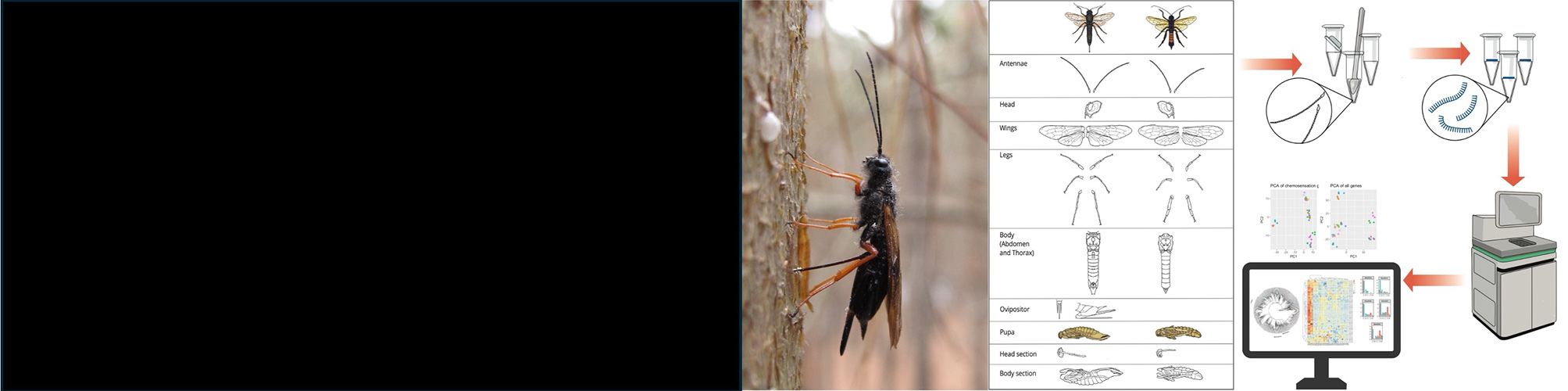
Postma A, Klynsmith L, Duong TA, Allison JD, Smidt W, Waterhouse RM, Lesny P, Oeyen JP, Petersen M, Martin S, Liu S, Zhou X, Ziesmann T, Donath A, Mayer C, Misof B, Niehuis O, Peters RS, Podsiadlowski L, Coetzee MPA, Joubert F, Slippers B. (2026) Genome and transcriptome-based identification and expression profiling of chemosensory gene families across developmental stages and tissues in Sirex noctilio (Hymenoptera: Siricidae). Insect Molecular Biology :1-14. 10.1111/imb.70029
Aylward J, Visagie CM, Roets F, Wingfield BD, Wingfield MJ. (2026) Genome analyses reveal two novel species of Seiridium from Acacia mearnsii. Mycological Progress 25:8. 10.1007/s11557-026-02121-7
Liu QL, Wingfield MJ, Duong TA, Wingfield BD, Crous PW. (2026) Taxonomy, distribution and dispersal of Calonectria species: Important pathogens of forestry, agricultural and horticultural crops. Current Forestry Reports 12(4) 10.1007/s40725-025-00262-8
Nethononda PD, Hurley BP, Slippers B, Makhura MN. (2026) Smallholder farmers’ knowledge, perception and management of Spodoptera frugiperda (Lepidoptera: Noctuidae) on Zea mays at irrigation schemes in Limpopo province, South Africa. Crop Protection :107457. 10.1016/j.cropro.2025.107457
Swanepoel S, Naidoo S. (2026) A weighted gene co-expression network analysis characterises the common defence responses of Eucalyptus to diverse biotic challenges. Scientific Reports 16:5387. 10.1038/s41598-025-32699-z
Botha I, De Canha MN, Oberlander K, Botes J, Lall N, Berger DK. (2025) DNA barcoding and anti-tyrosinase activities of three species-representative populations of the genus Greyia Hook & Harv. South African Journal of Botany 189:55-67. 10.1016/j.sajb.2025.11.035
Thomas C, Wilken PM, Coetzee MPA, Visagie CM. (2025) Advancing the taxonomy of Sclerotinia (Helotiales, Sclerotiniaceae): a review and recommendations for an important plant-pathogenic genus. IMA Fungus 17:e175737. 10.3897/imafungus.17.175737
Townsend G, Hill M, Hurley BP, Nel WJ, Crous C, Roets F. (2025) First report of the ambrosia beetle, Amasa parviseta (Curculiondae: Scolytinae), in South Africa. African Entomology 10.17159/2254-8854/2025/a24167 PDF
Roux J, del M Angel L, Barnes I. (2025) First report of the eucalypt stem canker pathogen Teratosphaeria gauchensis in South Africa. New Disease Reports 52(2):e70091. 10.1002/ndr2.70091
Nel WJ, Barnes I, Jali S, Impson F, Oberprieler RG, Hurley BP. (2025) First report of Melanterius inconspicuus (Coleoptera: Curculionidae: Cleogonini) from KwaZulu-Natal, South Africa, with observations of its development in black wattle. Southern Forests 10.2989/20702620.2025.2537823 PDF
Regasa K, Beze W, Anjulo A, Wondafrash M, Hurley BP, Lawson SA, Healey M, Germishuizen I. (2025) Evaluating fungicides for the management of rust (Uromycladium acaciae) on black wattle nursery seedlings in Awi zone, Amhara regional state, Ethiopia. International Journal of Forestry Research 10.1155/ijfr/5547814
Ramantswana TM, Malatji DP, Pierneef RE, Soma P, Van Der Nest MA, Muchadeyi FC. (2025) Differential gene expression analysis of Dohne Merino sheep naturally infected with Haemonchus contortus. Scientific Reports 15:41843. 10.1038/s41598-025-25782-y
Nadasen T, Buitendag C, Visser R, Welgemoed T, Hein I, Berger DK. (2025) A latent invader: transcriptomics reveals Cercospora zeina’s stealth infection strategy of maize and immune-activating effectors. Frontiers in Plant Science 16:1-23. 10.3389/fpls.2025.1703682
Wilson AM, Wingfield MJ, Duong TA, Wingfield BD. (2025) Thermotolerance and post-fire growth in Rhizina undulata is associated with the expansion of heat stress-related protein families. BMC Genomics 26:1041. 10.1186/s12864-025-11902-5
Fuchs T, Vismer HF, Visagie CM, Wingfield BD, Wingfield MJ. (2025) Low genotypic diversity and first reports of clinical Sporothrix from retrospective samples in South Africa. Medical Mycology 10.1093/mmy/myaf102
Yilmaz N, Verheecke-Vaessen C. (2025) Mycotoxins: An ongoing challenge to food safety and security. PLOS Pathogens 21(11) 10.1371/journal.ppat.1013672
Coelho MA, David-Palma M, Kachalkin AV, Kolařík M, Turchetti B, Sampaio JP, Wingfield MJ, Fisher MC, Yurkov AM, Heitman J. (2025) Genomic and phenotypic insights into the expanding phylogenetic landscape of the Cryptococcus genus. PLOS Genetics 21(11) 10.1371/journal.pgen.1011945 PDF
Ramatsitsi NM, Manyevere A, Motloba T. (2025) Myco-ecological warfare with Meloidogyne species. Archives of Agronomy and Soil Science 71(1):1-15. 10.1080/03650340.2025.2579892 PDF
Shaw PL, Slippers B, Wingfield BD, Laurent B, Penaud B, Wingfield MJ, Crous PW, Bihon W, Duong TA. (2025) Chromosome-level genome assemblies for the latent pine pathogen, Diplodia sapinea, reveal two accessory chromosomes with distinct genomic features and evolutionary dynamics. G3 Genes|Genomes|Genetics :jkaf239. 10.1093/g3journal/jkaf239 PDF
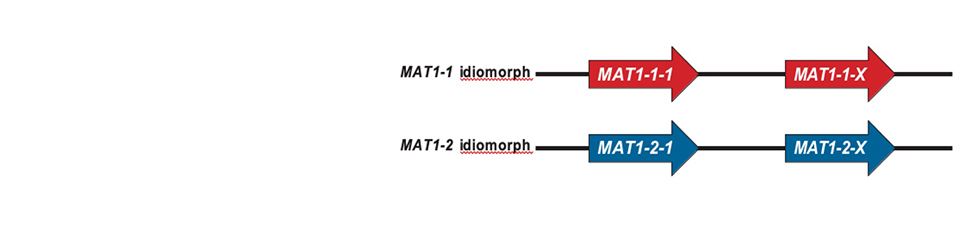
Coelho MA, David-Palma M, Marincowitz S, Aylward J, Pham NQ, Yurkov AM, Wingfield BD, Wingfield MJ, Sheng S, Heitman J. (2025) The complex evolution and genomic dynamics of mating-type loci in Cryptococcus and Kwoniella. PLoS Biology 23:e3003417. 10.1371/journal.pbio.3003417
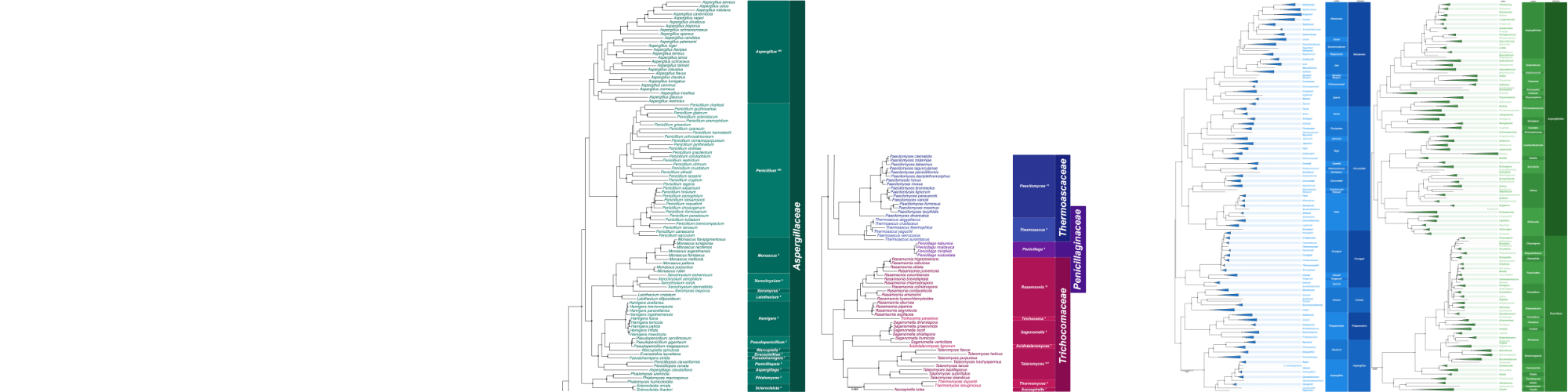
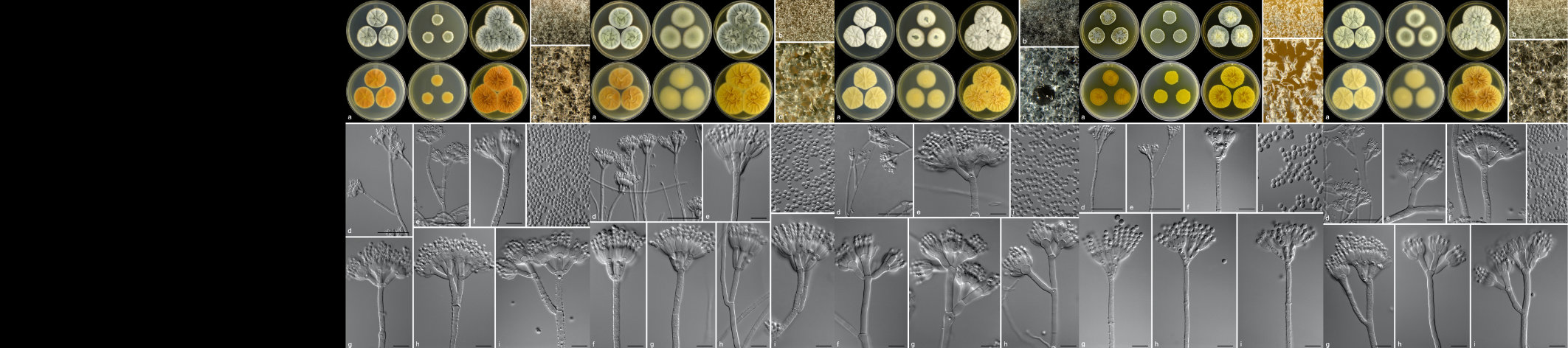
Visagie CM, Houbraken J, Overy DP, Sklenář F, Bensch K, Frisvad JC, Mack J, Perrone G, Samson RA, van Vuuren NI, Yilmaz N, Hubka V. (2025) From chaos to tranquillity: a modern approach to the identification, nomenclature and phylogeny of Aspergillus, Penicillium and other Eurotiales, including an updated accepted species list. Studies in Mycology 112:117–260. 10.3114/sim.2025.112.04
Vincent C, Singh A, Michalczyk GZ, Lane SL, Kaur R, Gill AR, Dziedzic N, De Silva K, Cho A, Cardoso AA, Alade DO, Tejera-Nieves M, Sharkey TD, Schmiege SC, Pelech E, Locke AM, Leisner CP, Teshome DT. (2025) Importance of measuring and reporting environmental conditions across plant science subdisciplines. Plant Physiology 199(2) 10.1093/plphys/kiaf405
Maake MM, Beukes CW, van der Nest MA, Avontuur JR, Muema EK, Stepkowski T, Venter SN, Steenkamp ET. (2025) Argyrolobium legumes from an African centre of endemism associate with novel Bradyrhizobium species harbouring unique sets of symbiosis genes. Molecular Phylogenetics and Evolution 214:108471. 10.1016/j.ympev.2025.108471
Joubert M, van den Berg N, Theron J, Swart V. (2025) Small RNAs derived from avocado sunblotch viroid and their association with bleaching symptoms: implications for pathogenesis in avocado sunblotch disease. Archives of Virology 170(10):205. 10.1007/s00705-025-06360-z PDF
Mavima L, Steenkamp ET, Beukes CW, Palmer M, De Meyer SE, James EK, Venter SN, Coetzee MPA. (2025) Estimated timeline for the evolution of symbiotic nitrogen fixing Paraburkholderia. Molecular Phylogenetics and Evolution 213:108447. 10.1016/j.ympev.2025.108447
Prabhu AS, Naicker P, Duong TA, Govender IS, Engelbrecht J, Backer R, Stoychev SH, van den Berg N. (2025) Phosphite inhibits Phytophthora cinnamomi by downregulating oxidoreductases and disrupting energy metabolism. Frontiers in Microbiology 16:1632726. 10.3389/fmicb.2025.1632726
Pham NQ, Liu FF, Duong TA, Wingfield BD, Chen SF, Wingfield MJ. (2025) Genetic diversity of Calonectria reteaudii isolates from infected Eucalyptus leaves and associated soils indicates a phyllosphere origin of the pathogen. Forest Pathology 55:e70037. 10.1111/efp.70037
Schröder ML, Hurley BP, Wingfield MJ, Slippers B, Garnas JR. (2025) Thermal limitations to the biological control of Gonipterus sp. n. 2 (Coleoptera: Curculionidae) in South African Eucalyptus plantations. Agricultural and Forest Entomology 10.1111/afe.70002
Lynn KMT, Wingfield MJ, Tarigan M, Durán A, Santos SA, Nel WJ, Barnes I. (2025) Investigating bark, ambrosia and nitidulid beetle (Coleoptera: Scolytinae and Nitidulidae) communities and their potential role in the movement of Ceratocystis manginecans in commercial forestry plantations in Riau, Indonesia. Agricultural and Forest Entomology 10.1111/afe.12698
Solís M, Hammerbacher A, Wingfield MJ, Naidoo S. (2025) Transcriptional responses of Eucalyptus to infection by an aggressive leaf blight pathogen reveal the role of host secondary metabolites during pathogen germination. Plant Molecular Biology 115 10.1007/s11103-025-01625-2
Coertze S, Coetzee B, Basson E, de Villiers D, Makhura T, Moster D, Slippers B, Rose LJ, Visagie CM, Read D. (2025) First Report of Clavibacter nebraskensis Causing Goss’s Bacterial Leaf Blight on Maize (Zea mays) in South Africa. Plant Disease 109:1580. 10.1094/PDIS-01-25-0164-PDN
Overy DP, Frisvad JC, Witte TE, Hicks CL, Hermans A, Sproule A, Louis-Seize G, Seifert KA, Yilmaz N, Price J, van Vuuren NI, Visagie CM. (2025) Chemodiversity of Penicillium isolated from alpine and arctic environments, including ten new species. Studies in Mycology 112:75–116. 10.3114/sim.2025.112.03
Mailula DM, Wingfiled BD, Van Der Nest MA, Hammerbacher A. (2025) Production of fusel alcohols and fusel acetates by pathogenic fungi in the Ceratocystidaceae. Fungal Ecology 76:101427. 10.1016/j.funeco.2025.101427
Seale T, Brözel VS, Potgieter SC, Rupp O, Blom J, Steenkamp ET, Venter SN. (2025) Diversity of Environmental Escherichia coli in Subtropical Freshwater Systems of South Africa. Current Microbiology 82:414. 10.1007/s00284-025-04402-y
Harris MA, Kemler M, Slippers B, Hassel N, Tsamba J, Arthan W, Kellogg EA, AuBuchon-Elder T, Vorontsova MS, Archibald S, Hempson GP, Lehmann CER, Besnard G, Bergerow D, Brachmann A, Solofondranohatra CL, Greve M. (2025) Productivity drives leaf mycobiome diversity patterns at global and continetal scales. Global Ecology and Biogeography 34:e70094. 10.1111/geb.70094
Gao M, Yan Z, Liu Z, Jiang Y, Liu T, Miao X, Dai M, Bose T, Chang R. (2025) A novel Arthrobotrys species: Taxonomic characterization, nematicidal activity, and multi-omics insights into nematode predation. Biological Control 208:105853. 10.1016/j.biocontrol.2025.105853
Esterhuizen HJ, Slippers B, Bosman AS, Roux J, Jones W, Bose T, Hammerbacher A. (2025) Early detection of Phytophthora root rot in Eucalyptus using hyperspectral reflectance and machine learning. Computers and Electronics in Agriculture 237:110761. 10.1016/j.compag.2025.110761
Pham NQ, Wingfield BD, Marincowitz S, Brawner JT, Hulcr J, Wingfield MJ. (2025) Cryphonectria canker on Eucalyptus in Florida reconsidered. Forest Pathology 55:e70031. 10.1111/efp.70031
Crous PW, Catcheside DEA, Catcheside PS, Alfenas AC, Alfenas RF, Barreto RW, Lebel T, Balashov S, Broadbridge J, Jurjević , De la Peña-Lastra S, Hoffmann R, Mateos A, Riebesehl J, Shivas RG, Soliz Santander FF, Tan YP, Altés A, Bandini D, Carriconde F, Cazabonne J, Czachura P, Gryta H, Eyssartier G, Larsson E, Pereira OL, Rigueiro-Rodríguez A, Wingfield MJ, Ahmad W, Bibi S, Denman S, Esteve-Raventós F, Hussain S, Illescas T, Luangsa-ard JJ, Möller L, Mombert A, Noisripoom W, Olariaga I, Pancorbo F, Paz A, Piątek M, Polman-Short C, Suárez E, Afshan NS, Ali H, Arzanlou M, Ayer F, Barratt J, Bellanger J, Bidaud A, Bishop-Hurley SL, Bohm M, Bose T, Campo E, Chau NB, Çolak F, Cordeiro TRL, Cruz MO, Custódio FA, Couceiro A, Darmostuk V, Dearnaley JDW, De Azevedo Santiago ALCM, De Freitas LWS, Yáñez-Morales MDJ, Domnauer C, Dentinger B, Dhileepan K, De Souza JT, Dovana F, Eberhardt U, Eisvand P, Erhard A, Fachada V, García-Martín A, Groenewald M, Hammerbacher A, Harms K, Haroon S, Haqnawaz M, Henriques S, Hernández AJ, Jacobus LM, Jaen-Contreras D, Jangsantear P, Kaygusuz O, Knoppersen R, Kumar TKA, Lynch MJ, Mahiques R, Maraia GL, Marbach PAS, Mehrabi-Koushki M, Miller PR, Mongkolsamrit S, Moreau P, Oberlies NH, Oliveira JA, Orlovich D, Pérez-Méndez AS, Pinto A, Raja HA, Ramírez GH, Raphael B, Rodrigues A, Rodrigues H, Ramos DO, Safi A, Sarwar S, Saar I, Sánchez RM, Santana JS, Scrace J, Sales LS, Silva LNP, Stryjak-Bogacka M, Tacconi A, Thanh VN, Thomas A, Thuy NT, Toome M, Valdez-Carrazco JM, Van Vuuren NI, Vasey J, Vauras J, Vila-Viçosa C, Villarreal M, Visagie CM, Vizzini A, Whiteside EJ, Groenewald JZ. (2025) Fungal Planet description sheets: 1781–1866. Persoonia 54:327–587. 10.3114/persoonia.2025.54.10
Nzuza P, Schröder ML, Heim RJ, Daniels L, Slippers B, Hurley BP, Germishuizen I, Sivparsad B, Roux J, Maes WH. (2025) Assessing Gonipterus defoliation levels using multispectral unmanned aerial vehicle (UAV) data in Eucalyptus plantations. Ecological Informatics 90:103301. 10.1016/j.ecoinf.2025.103301
Kunene S, Mmushi TJ, Steenkamp E, Motaung T. (2025) Pinus-derived membrane vesicles disrupt pathogenic metabolism in fungi. plant biology 10.1111/plb.70069 PDF
Theron CA, Wingfield MJ, Ahumada R, Carnegie AJ, Fraser S, Rodas C, Barnes I. (2025) Diversity and distribution of Lophodermium species on non-native Pinus species in the southern hemisphere. Mycological Progress 24(44) 10.1007/s11557-025-02056-5
Msweli D, Geerts S, Nndanduleni M, Paap T. (2025) Evaluation of phosphite to protect a South African Proteaceae from Phytophthora root rot. Journal of Plant Pathology 10.1007/s42161-025-01945-8 PDF
Dewing C, Yilmaz N, Steenkamp ET, Wingfield BD, Visagie CM. (2025) Capturing the fungal diversity hidden in Eastern Cape dairy pastures. Mycological Progress 24(1):38. 10.1007/s11557-025-02059-2
Nel WJ, Duong TA, Fell S, Herron DA, Paap T, Wingfield MJ, de Beer ZW, Hulcr J, Johnson AJ. (2025) A checklist of South African bark and ambrosia beetles (Coleoptera: Curculionidae: Scolytinae, Platypodinae). Zootaxa 5648(1):1-101. 10.11646/zootaxa.5648.1.1
Dewing C, Yilmaz N, Steenkamp ET, Wingfield BD, Visagie CM. (2025) Capturing the fungal diversity hidden in Eastern Cape dairy pastures. Mycological Progress 24:38. 10.1007/s11557-025-02059-2 PDF
Chang R, Yan Z, Jiang J, Wang Y, Si H, Bose T, Miao C. (2025) Four novel endolichenic fungi from Usnea spp. (Lecanorales, Parmeliaceae) in Yunnan and Guizhou, China: Taxonomic description and preliminary assessment of bioactive potentials. MycoKeys 118:55–80. 10.3897/mycokeys.118.155248
Lötter A, Bruna T, Duong TA, Barry K, Lipzen A, Daum C, Yoshinaga Y, Grimwood J, Jenkins JW, Talag J, Borevitz J, Lovell JT, Schmutz J, Wegrzyn JL, Myburg AA. (2025) A haplotype-resolved reference genome for Eucalyptus grandis. G3 Genes|Genomes|Genetics 10.1093/g3journal/jkaf112
Wingfield MJ, Pham NQ, Marincowitz S, Wingfield BD. (2025) Cryphonectriaceae: Biodiverse and threatening tree pathogens in the tropics and southern hemisphere. Annual Review of Phytopathology 63 10.1146/annurev-phyto-121823-030316
Queffelec J, Allison JD, Slippers B, Greeff JM. (2025) Determinants of mating success in a lek-mating species. Agricultural and Forest Entomology :1-10. 10.1111/afe.12692
Magagula P, Swart V, Fourie A, Vermeulen A, Nelson JH, van Rooyen Z, van den Berg N. (2025) Avocado rhizosphere community profiling: white root rot and its impact on microbial composition. Frontiers in Microbiology 16 10.3389/fmicb.2025.1583797
Marincowitz S, Pham NQ, Wingfield BD, Wingfield MJ. (2025) Microfungi associated with dying quiver trees (Aloidendron dichotomum) in South Africa. Fungal Systematics and Evolution 16:71–80. 10.3114/fuse.2025.16.5 PDF
Pham NQ, Marincowitz S, Crous PW, Wingfield MJ. (2025) Diversity of soil-borne Gliocladiopsis from Indonesia, Malaysia and Vietnam. Fungal Systematics and Evolution 16:81–92. 10.3114/fuse.2025.16.6 PDF
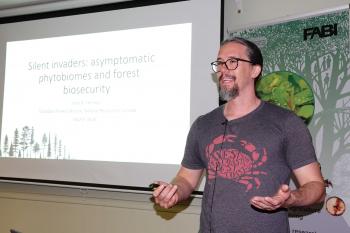
Tanney JB, Kemler M, Vivas M, Wingfield MJ, Slippers B. (2025) Silent invaders: The hidden threat of asymptomatic phytobiomes to forest biosecurity. New Phytologist 10.1111/nph.70209
Fick A, Swart V, Van den Berg N. (2025) In silico prediction method for plant Nucleotide-binding leucine-rich repeat- and pathogen effector interactions. The Plant Journal 122:e70169. 10.1111/tpj.70169
Ramakuwela T, Motloba T. (2025) Beneficial nematodes: A natural solution for pest control and soil health. Farmer's Weekly 25014 10.10520/ejc-farmweek_week_v2025_n25014_a12
Bose T, Wingfield MJ, Brachmann A, Witfeld F, Begerow D, Kemler M, Dovey S, Roux J, Slippers B, Vivas M, Hammerbacher A. (2025) Removal of organic biomass in Eucalyptus plantations has a greater impact on fungal than on bacterial networks. Forest Ecology and Management 586:122734. 10.1016/j.foreco.2025.122734
Woodward S, Amin H, Mártin-Gárcia J, Solla A, Diaz-Vazquez R, Romeralo C, Alves A, Pinto G, Herron D, Fraser S, Zas R, Doğmuş-Lehtijärvi HT, Bonello P, Wingfield MJ, Witzell J, Diez JJ. (2025) Host-pathogen interactions in the Pine-Fusarium circinatum pathosystem and the potential for resistance deployment in the field. Forest Pathology 55(2):e70020. 10.1111/efp.70020
Maduke N, Slippers B, Van der Linde E, Wingfield M, Fourie G. (2025) Botryosphaeriaceae associated with racemes, fruits and leaves of macadamia in South Africa. Plant Pathology 0:1–15:1–15. 10.1111/ppa.14107
Hulcr J, Barnes I, Barnes M, Gazis R, Hammerbacher A, Johnson AJ, Lynch S, Lynn K, Marais GC, Mayers CG, Nel W, Villari C, Wingfield BD, Wingfield MJ. (2025) From forest to fungus: A roadmap to bark beetle mycobiome research. Phytoparasitica 53(45) 10.1007/s12600-025-01246-x
Knoppersen RS, Bose T, Coutinho TA, Hammerbacher A. (2025) Inside the Belly of the Beast: Exploring the Gut Bacterial Diversity of Gonipterus sp. n. 2. Microbial Ecology 88:27. 10.1007/s00248-025-02524-1
Bose T, Roux J, Titshall L, Dovey SB, Hammerbacher A. (2025) Mulching of post-harvest residues and delayed planting improves fungal biodiversity in South African Eucalyptus plantations and enhances plantation productivity. Applied Soil Ecology 210:106091. 10.1016/j.apsoil.2025.106091
Wychkuys KA, Giron E, Hyman G, Barona E, Castro-Llanos FA, Sheil D, Yu L, Du Z, Hurley BP, Slippers B, Germishuizen I, Bojacá CR, Rubiano M, Sathyapala S, Verchot L, Zhang W. (2025) Biological control protects carbon sequestration capacity of plantation forests. Entomologia Generalis 10.1127/entomologia/2025/3015 PDF
Balocchi F. (2025) Risk Analysis for Alien Taxa (RAAT) for Phytophthora cinnamomi in South Africa. 10.5281/zenodo.14858265
Paap T, Balocchi F, Wingfield MJ. (2025) The root rot pathogen Phytophthora cinnamomi: a long-overlooked threat to the Cape Floristic Region of South Africa. Biological Invasions 27(4) 10.1007/s10530-025-03570-z PDF
Harikrishnan K, Rajeshkumar KC, Patil PM, Jeewon R, Visagie CM. (2025) Aspergillus dhakephalkarii and A. patriciawiltshireae spp. nov., two new species in Aspergillus sect. Nigri ser. Japonici (Eurotiales, Aspergillaceae) from India. Phytotaxa 695:57–79. 10.11646/phytotaxa.695.1.2
Wilson A, van Dijk A, Marx B, du Plessis D, Terblanche G, Bornman S, Wilken PM, Duong TA, De Fine Licht HH, Wingfield BD. (2025) Extracting Protoplasts from Filamentous Fungi Using Extralyse, An Enzyme Used in the Wine Industry. Current Protocols 5(e70122):1-29. 10.1002/cpz1.70122
Dewing C, Visagie CM, Steenkamp ET, Wingfield BD, Yilmaz N. (2025) Three new species of Fusarium (Nectriaceae, Hypocreales) isolated from Eastern Cape dairy pastures in South Africa. MycoKeys 115:241–271. 10.3897/mycokeys.115.148914 PDF
van der Merwe E, Slippers B, Dittrich-Schröder G. (2025) Exploring artificial diets for the laboratory rearing of Sirex noctilio late-instar larvae: a qualitative study. Zenodo 10.5281/zenodo.15049303
Mapfumo P, Archer E, Swanevelder ZH, Wilken M, Creux N, Read DA. (2025) Plant Pathology. Genomic Characterisation of Bidens mottle virus in South Africa and an Assessment of the Impact on Helianthus annuus (Sunflower) in an Open Field Setting 10.1111/ppa.14089
Brasier CM, Grünwald NJ, Bourret TB, Govers F, Scanu B, Cooke DEL, Bose T, Hawksworth DL, Abad ZG, Albarracin MV, Alsultan W, Altamirano-Junqueria AE, Arifin AR, Arnet MJ, Aumentado HDR, Bakonyi J, Belisle WH, Benigno A, Bienapfl JC, Bilodeau GJ, Blair JE, Botella L, Brandano A, Cacciola SO, Carbone I, Castroagudin VL, Chaendaekattu N, Consford JD, Corcobado T, Covey PA, Daniels HA, Deidda A, Dorrance AE, Dort EN, Drenth A, Drizou F, Evangelisti E, Fajardo SN, Fang Y, Ference CM, Frankel SJ, Goss EM, Guest DI, Hardy GESJ, Harris ARH, Hawku MD, Heungens K, Hong C, Horner IJ, Horta Jung M, Iyanda OJ, Jamieson B, Jeffers SN, Judelson HS, Junaid M, Kalogeropoulou E, Kamoun S, Kang S, Kasuga T, Kudláček T, LeBoldus J, Lee CA, Li D, Llanos AK, Lopez-Nicora HD, Machado H, Di San Lio GM, Maia C, Mandal K, Manosalva P, Martin FN, Matson MEH, McDougal RL, McDowell JM, Michelmore RW, Milenković I, Moricca S, Mostowfizadeh-Ghalamfarsa R, Nagy Z, Nikolaeva EV, Ortega-López P, Paap T, Parada-Rojas CH, Peduto Hand F, Perez-Sierra A, Pettersson M, Prasad P, Puig AS, Raco M, Rajput NA, Ristaino JB, Rooney-Latham S, Seidl MF, Shamoun SF, Solla A, Spies CFJ, Sudermann MA, Swiecki TJ, Tian M, Tripathy S, Uematsu S, Van Poucke K, Vichou AE, Walter M, Webber JF, Williams NM, Wingfield MJ, Yadav D, Yang X, Jung T. (2025) Preserving the Biologically Coherent Generic Concept of Phytophthora, ‘Plant Destroyer’. Phytopathology 10.1094/PHYTO-11-24-0372-LE
Stazione L, Corley JC, Allison JD, Hurley BP, Lawson SA, Lantschner MV. (2025) Novel associations among insect herbivores and trees: Patterns of occurrence and damage on pines and eucalypts. Ecological Applications 35:e70018. 10.1002/eap.70018
van den Berg N, Magagula P, Backer R, Swart V. (2025) Towards developing an integrated approach for the treatment of white root rot in commercial avocado orchards. Phytoparasitica 53(32) 10.1007/s12600-025-01250-1 PDF
Townsend G, Hill M, Hurley BP, Roets F. (2025) Escalating threat: increasing impact of the polyphagous shot hole borer beetle, Euwallacea fornicatus, in nearly all major South African forest types. Biological Invasions 27 10.1007/s10530-025-03551-2 PDF
Makunde PT, Slippers B, Bush S, Hurley BP. (2025) Host specificity and host stage preference of Psyllaephagus species (Hymenoptera: Encyrtidae) towards invasive eucalypt psyllids (Hemiptera: Aphalaridae). Agricultural and Forest Entomology :1-13. 10.1111/afe.12679
Tarigan M, Wingfield MJ, Jami F, Oliveira LSS, Saha MA, Durán A, Pham NQ. (2025) Pathogenicity of Pythium myriotylum on Acacia crassicarpa and Acacia mangium × Acacia auriculiformis clones in Indonesia. Southern Forests: a Journal of Forest Science 87:1–5. 10.2989/20702620.2024.2432863
D’Angelo D, Hu H, Lahoz E, Risteski J, Steenkamp E T, Viscardi M, van der Nest M A, Wu Y, Yu H, Zhou J, Karandeni Dewage C S, Kotta-Loizou L I, Stotz H U, Fitt B D L, Huang Y, Hu Y, Kiss L, Sorrentino R, Nkomo T, Zhou X, Vaghefi N, Sonnekus B, Bose T, Cerrato D, Cozzolino L, Creux N, D’Agostino N, Fourie G, Fusco G, Hammerbacher A, Idnurm A, Wingfield BD. (2025) IMA GENOME - F20 A draft genome assembly of Agroathelia rolfsii, Ceratobasidium papillatum, Pyrenopeziza brassicae, Neopestalotiopsis macadamiae, Sphaerellopsis filum and genomic resources for Colletotrichum spaethianum and Colletotrichum fructicola. IMA Fungus 16:e141732. 10.3897/imafungus.16.141732
Espach A, Esterhuizen L, Africander N, Thiart S, Read DA, Pietersen G. (2025) First report of pepper ringspot virus on potato (Solanum tuberosum) in South Africa. Journal of Plant Pathology 10.1007/s42161-025-01887-1
Muema EK, van Lill M, Venter SN, Claassens R, Steenkamp ET. (2025) Mesorhizobium salmacidum sp. nov. and Mesorhizobium argentiipisi sp. nov. are symbionts of the dry-land forage legumes Lessertia diffusa and Calobota sericea. Antonie van Leeuwenhoek 19(3):1-20. 10.1007/s10482-025-02063-2
Motaung TE, Ratsoma FM, Kunene S, Santana QC, Steenkamp ET, Wingfield BD. (2025) Harnessing exogenous membrane vesicles for studying Fusarium circinatum and its biofilm communities. Microbial Pathogenesis 10.1016/j.micpath.2025.107368
van Dijk A, Wilson AM, Marx B, Hough B, Swalarsk-Parry BS, De Vos L, Wingfield MJ, Wingfield BD, Steenkamp ET. (2025) CRISPR-Cas9 genome editing reveals that the Pgs gene of Fusarium circinatum is involved in pathogenicity, growth and sporulation.. Fungal Genetics and Biology 10.1016/j.fgb.2025.103970
Balocchi F, Wingfield MJ, Paap T. (2025) First record of the white root rot fungus Dematophora necatrix on indigenous South African trees. Journal of Plant Pathology 10.1007/s42161-025-01861-x PDF
Coelho MA, David-Palma M, Aylward J, Pham NQ, Visagie CM, Fuchs T, Yilmaz N, Roets F, Sun S, Taylor JT, Wingfield BD, Fisher MC, Wingfield MJ, Heitman J. (2025) Decoding Cryptococcus: From African biodiversity to worldwide prevalence. PLOS Pathogens 21:e1012876. 10.1371/journal.ppat.1012876
Solís M, Hammerbacher A, Wingfield M.J, Naidoo S. (2025) Enhancing plantation forest sustainability: A review of Eucalyptus defence mechanisms to foliar fungal pathogens. Current Forestry Reports 10.1007/s40725-024-00243-3
Ratsoma MF, Santana QC, Wingfield BD, Steenkamp ET, Motaung TE. (2025) Understanding cargo sorting and interactive effects of membrane vesicles in fungal phytopathogens: Current knowledge and research gaps. Fungal Biology Reviews 51 10.1016/j.fbr.2025.100411
Harvey A, van den Berg N, Swart V. (2025) In silico characterisation of the avocado WAK/WAKL gene family with a focus on genes involved in defence against Phytophthora cinnamomi. Frontiers in Plant Science 15:1474781. 10.3389/fpls.2024.1474781 PDF
Botes J, Ma X, Chang J, Van de Peer Y, Berger DK. (2025) Flavonoids and anthocyanins in seagrasses: implications for climate change adaptation and resilience. Frontiers in Plant Science 15(1520474):1-17. 10.3389/fpls.2024.1520474
Li WW, Liu FF, Chen SF, Wingfield MJ, Duong TA. (2025) High genetic diversity and limited regional population differentiation in populations of Calonectria pseudoreteaudii from Eucalyptus plantations. Phytopathology 10.1094/PHYTO-05-24-0154-R
Wondafrash M, Wingfield MJ, Hurley BP, Slippers B, Mutitu EK, Jenya H, Paap T. (2025) DNA sequence data confirms the presence of two closely related cypress-feeding aphid species on African cypress (Widdringtonia spp.) in South Africa. Southern Forests 86:278-285. 10.2989/20702620.2024.2390863 PDF
Mangani R, Mazarura J, Matlou S, Marquart A, Archer E, Creux N. (2025) The impact of past and current district-level climatic shifts on maize production and the implications for South African farmers. Theoretical and Applied Climatology 156:109. 10.1007/s00704-024-05334-6
Möller H, Slippers B, van den Berg N. (2025) Branch canker battles: understanding and managing the Botryosphaeriaceae in avocado. Phytoparasitica 53(17) 10.1007/s12600-024-01227-6
Pham NQ, Wingfield BD, Barnes I, Gazis R, Wingfield MJ. (2025) Elsinoe species: The rise of scab diseases. Plant Pathology 10.1111/ppa.14015